
Due to its exceptional strength and eye-catching shine, most automotive and aerospace industries prefer chrome and nickel plating on aluminum parts. This manual examines all the techniques and processes that, when approached methodically, lead to error-free plating. Everything will be covered from the preliminary actions, guaranteeing maximum adhesion to the details of the plating step involving nickel and chrome. Moreover, you will understand some of the most common issues, their solutions, and other obtainable recommendations that will put you light-years ahead of competitors regarding surface finish quality. No matter your skill set—an accomplished technician with years of experience or a novice in plating procedures—this guide will enable success in aluminum surface chrome and nickel electroplating.
Why is Plating Aluminum More Challenging Than Other Metals?

The base metal presents unique difficulties when applying the electroplating process to aluminum due to its chemically active characteristics and naturally occurring oxide film. This self-formed oxide layer happens when aluminum is exposed to air, which seals it. It also obstructs the proper bonding of the plating materials, causing adhesion problems. Moreover, the issues caused by the grade of aluminum used due to its high conductive properties demand specific techniques in current management to be established. Because of these, surface treatments like etching and zincate coating need to be done to enhance adhesion and improve the aesthetic finish of the plating.
How Aluminum’s Natural Oxide Layer Affects the Plating Process
The inherent challenges in aluminum plating stem from its natural oxide layer. From what I have learned, this non-conductive layer is formed immediately when aluminum comes into contact with air and significantly impedes adhesion. To resolve this, proper surface preparation is essential, usually involving etching steps to remove the oxide layer and applying zincate to provide a more appropriate surface for plating. These approaches significantly mitigate the impediments posed by the oxide layer, allowing for strong adhesion and high-quality finishes.
Common Issues When Electroplating Aluminum Alloys
Aluminum alloy electroplating is particularly challenging because of the naturally present aluminum oxide layer. This barrier develops within seconds of the surface being exposed to air and obstructs the adequate adhesion of plating materials. Below are some of these primary challenges, along with their technical considerations:
- Oxide Layer Formation
-
-
- Issue: The oxide layer that forms throughout the process will significantly reduce the adhesion strength of the electrolytic coating.
- Solution: Surface preparation is crucial. This entails applying an acid etch, such as sodium hydroxide or phosphoric acid bath, to remove the oxide layer. Afterward, a zincate treatment is used, which enhances conductivity and adhesion on the surface to be plated.
-
- Hydrogen Embrittlement
-
-
- Issue: The hydrogen absorption during electroplating might result in brittleness with microcracks on the aluminum substrate.
- Solution: Implement adequate pre-treatment processes to reduce hydrogen absorption, and post-plate treatments, such as heat baking at 375°F for 3 hours to remove residual hydrogen, will be used.
-
- Uneven Coating Thickness
-
-
- Issue: Non-uniform current densities, combined with the geometry of the alloy parts throughout the electroplating process, result in variation in coating thickness.
- Solution: Enhance the composition and operating conditions of the plating bath to include surface temperature (50–60°C) and current density (0.5–3 A/dm²) and achieve uniform deposition overall.
-
- Compatibility of Alloys with Electrolyte Baths
-
-
- Issue: High silicon or copper aluminum alloy concentrations can be incompatible with electrolyte baths, resulting in substandard plating quality.
- Solution: Utilize selective pre-treatment and plating chemistry with the desired proportions of non-reactive components to ensure compatibility without causing detrimental unwanted chemical reactions.
-
- Corrosion Resistance Post-Treatment
-
-
- Issue: Low durability or incomplete passivation could result in diminished corrosion resistance for the surfaces of plated aluminum.
- Solution: Employ post-treatments like chromate conversion coatings or organic sealers to enhance the longevity of the electroplated layer.
-
To resolve the issues, proper surface preparation, including process control and alloy modifications, is needed to achieve reliable electroplating on aluminum alloys.
Benefits of Successfully Plating Aluminum Parts
Electroplating aluminum parts is advantageous because it optimizes performance and extends operational life. First, electroplating improves the component’s ability to withstand corrosion, especially for critical aerospace, military, and marine applications. Second, it provides armor against surface wear and greater surface hardness, leading to an increased service life for the components. Third, it strengthens the part’s conductivity, as in the case of electronic and electric components, which require homogeneous conductive deposits of nickel or silver.
From a technical viewpoint, meeting the conditions of the parameters such as surface treatment with the roughness average, Ra value below 1,μm, optimal bath temperature 60 – 70°C for nickel electroplating, and even the application current density of 2 – 4 amps per square decimeter promises these benefits. Delivering these conditions and adequate post-treatments guarantees high-quality, durable electroplated aluminum components.
What Surface Preparation Techniques Are Essential Before Plating Aluminum?
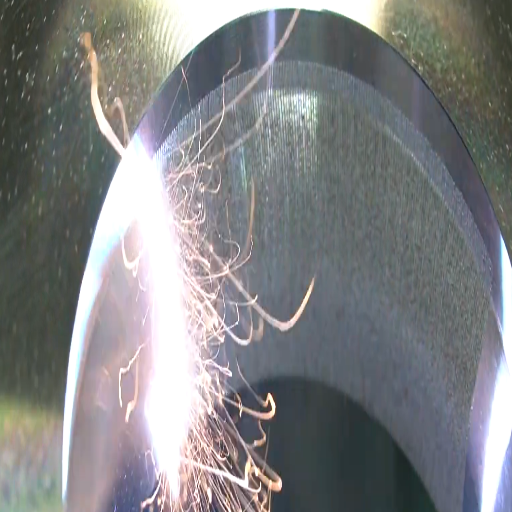
The attainment of success in electroplating aluminum parts requires correct systematic procedures and surface preparation measures. Primary cleaning methods to erase oil and grease impurities include using alkaline degreasers as the first step. Next, the aluminum surface is usually etched using a caustic soda solution to remove the oxide layers and enhance the bonding strength of the subsequent layers. After etching, acidic desmutting ensures the removal of remaining smut or other unsightly residues. A more uniform and conductive interlayer is then deposited to facilitate the plating in an oxidizing solution and to improve the adhesion of the coating to the substrate. This treatment is referred to as zincate pretreatment.
Critical Cleaning and Degreasing Steps for Aluminum Substrate
For the critical cleaning and degassing of aluminum substrates, I would first apply a combination of alkaline acids to targeted organics to untether and dissolve oils, grease, and other surface impurities. Surface preparation includes etching with caustic soda or similar compounds to promote dissolution of the oxide layers, enhancing subsequent steps during the provided treatments. Post-etch smut removal with acids is mandatory to remove all remaining smut and fine impurities. I would zincate the sample next as it allows for a better interlayer for depositing other materials or additional treatment.
Removing the Oxide Layer: Chemical and Mechanical Methods
Removing oxide layers remains critical for improving adhesion and preparing the surfaces for further operations. Both chemical and mechanical methods are viable options for removal, and each method has advantages and considerations.
Chemical Methods
Cleaning and etching are the two main components of oxide removal through chemical means. Cleaning solutions frequently used in this case include caustic soda (sodium hydroxide) for aluminum, which has been shown to dissolve the oxide layers completely. For caustic soda, the concentration is generally between 5-10% by weight, and with an immersion time of 1-5 minutes at temperatures ranging from 50-70C (122-158F), the desired results can be obtained. After etching, desmutting is performed using either concentrated acid solutions, such as nitric acid, or mixtures of nitric and hydrofluoric acid. This step aims to ensure that any residual smut or impurities are removed to guarantee a clean surface.
Phosphoric acid (5-20%) at 50-60C (122-140F) can also aid in the dissolution of rust and mill scale, making removing oxide layers from steel easier. It is critical to perform rinsing thoroughly, especially after chemical treatments, to avoid the presence of any unwanted residues.
Mechanical Methods
Mechanical techniques comprise blasting, grinding, and polishing. Blasting efficiently overcomes oxide layers while achieving a uniform surface using abrasive materials like aluminum oxide or glass beads. For most materials and surface finishes, the ideal particle size for blasting is between 50 to 150 microns.
Applying suitable abrasives in grinding and polishing can further enhance the surface finish. Medium to fine grit (120-600 grit) sandpaper is standard for precision applications. Mechanical methods are very effective when controlling surface roughness in parts.
Key Considerations
- Select a procedure aligned to the material, surface finish requirements, and/or processes that follow the procedure.
- Contour and profile milling require a more relational approach, while blending allows greater autonomy but reversibility without a permanent mark. Chemical methods remove faster but do not provide complete control over detail as mechanically as possible; however, they are preferred for complex geometry.
- When dealing with reactive caustic or acidic solutions, take precautions and control ventilation while wearing protective equipment.
Combining chemical and mechanical methods allows optimal precision and versatility while removing oxide layers regardless of application.
The Importance of Proper Etching for Adhesion
Proper etching ensures stronger adhesion by maintaining a clean, roughened surface with a correct texture that provides good bonding. I ensure that every process follows specific standards to achieve optimal results. For instance, depending on the material, an etching depth of 1-5 microns and an etchant concentration suitable for the substrate, such as ferric chloride for metals or potassium hydroxide for silicon, is critical for the outcome. Also, setting the duration and temperature of the etching, which is generally done for 20-30 minutes at 20-40°C, controls uniformity without over-etching. With these methodologies, I achieve enhanced adhesion results in my applications.
How Does Nickel Plating on Aluminum Work?
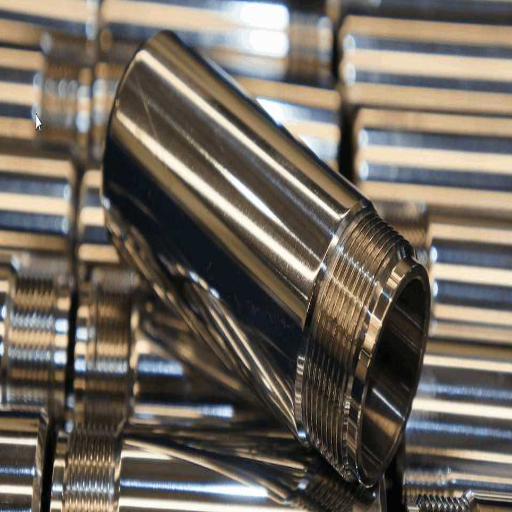
Plating nickel on aluminum requires steps to address aluminum’s oxide layer. So, the first step is cleaning and etching the aluminum surface to eliminate contaminants and oxide layers. Often, a zincate treatment follows, where the aluminum oxide layer is substituted with zinc, which enhances adhesion for further plating. After the Zincate step, the aluminum passes through a bath for electroless nickel immersion plating, which deposits nickel without an electric current. The result improves the aluminum’s integrity by making it more durable and corrosion-resistant, thus broadening its applicability.
Electroless Nickel Plating Aluminum: Process and Benefits
I will be more than glad to explain the advantages and processes of electroless nickel plating on aluminum. This process starts with cleaning aluminum parts by scrubbing off dirt and contaminants, followed by a zincate treatment wherein the aluminum oxide is replaced with zinc. This makes adhesion for the following nickel layer much more manageable. Afterward, the aluminum part is submerged in an electroless nickel plating bath, which deposits nickel on the surface of the aluminum without utilizing an electric current. The advantages of this technique are notable as it provides a more rigid corrosion-resistant coating, which improves the aluminum’s structural, wear, and even electric conduction capabilities. This allows automotive, aerospace, and electronics industries to use aluminum parts.
Using a Nickel Strike Layer for Better Adhesion
Electroless plating needs to begin with a nickel strike layer. This vital procedure enhances adhesion on aluminum and makes the following nickel plating easier. The aluminum surface is covered with a thin oxide layer, which is somewhat sticky and covers the bonding voids. A Woods nickel strike, also known as a Woods nickel strike, serves as an interlayer that improves adhesion by removing the sticky layer covering the surface.
This process includes putting aluminum pieces into a nickel strike bath of nickel chloride (NiCl₂) in combination with hydrochloric acid (HCl). This bath also operates to remove the aluminum oxide layer and replace it with a nickel one. Common bath aspects include the following:
- Nickel chloride concentration: 150–250 g/L
- Hydrochloric acid concentration: 50–200 g/L
- Temperature: 70–90°F (20–32°C)
- pH level: Less than 1
- Immersion time: 1–4 minutes
With these set parameters, the strike layer is achieved, and its uniformity regarding adhesion is optimal. Rinsing the part after the nickel strike and removing any remaining acids before proceeding to the electroless or electroplating bath is essential. Once achieved, this first step withholds the integrity and durability of the nickel coating, enhancing its potential across applications like aerospace, automotive, and electronics.
Troubleshooting Common Nickel Plating Issues on Aluminum Alloys
In most cases, when dealing with problems related to nickel plating aluminum alloys, I focus on adhesion issues due to very low or lack of adhesion, non-uniform coverage, and coating contamination. The first step should always concentrate on adequately cleaning the aluminum substrate, along with pre-treatment. During adhesion issues, I look for the cause of exposure within the zincate cleaning bath. If inadequate adhesion occurs, surface preparation or incorrect zincate coating thickness must be examined to remedy it.
Looking at the cleaning bath, the temperature has to be kept within the bounds of 120-140°F. Also, for zincate immersion, it has to be less than 2 minutes for the aluminum not to be over-etched. If there are any problems with the plating surfaces, the density is based on the current used during the electroplating. The current value will be changed for a range of 2-4 A/dm². On top of that, the level of contamination also needs to be kept an eye on, such as excessive organic contaminants or metallic dissolutions. Consistent pH measurements in the 4.0-5.0 range for electroless nickel baths help avoid inconsistencies, filtration, and analysis.
What are the best methods for putting chrome on aluminum?

Logical steps need to revise the methodology to optimize aluminum chrome plating. It usually starts with a thorough surface cleaning, surface deoxidation, and zincing the surface. Zincating will create a thin intermediate layer, which improves the adhesion of downstream nickel or copper layers. After this step, a layer of electroless nickel plating is added, or acid copper plating is used to create the base chrome layer. Chrome plating is lastly added through an electroplating technique to ensure uniform coating and a smooth chrome surface. Monitoring parameters such as PH, temperature, and current throughout the process is also vital to achieve optimal results.
Hard Chrome Plating on Aluminum for Wear Resistance
Chrome-plated aluminum is one of the most valuable applications of hard chrome plating because it increases aluminum’s resistance to wear and corrosion, surface hardness, and surface durability without compromising the weight of the component. This all starts with the pre-treatment steps of hard chrome plating, which involves cleaning and etching the aluminum surface to remove any oxide layers and contaminants. Zincating is done after pre-treatment processes that facilitate bonding between chrome and aluminum substrates, which are later used. To achieve the best outcomes, intermediate plating layers such as copper or nickel should be added before putting the hard chrome layer on.
In the electroplating process, the aluminum part is submerged in a chromic acid solution, and an electric current is passed through it. During the process of hard chrome plating, the following are very important for optimal results:
- Bath Composition: The composition of chromic acid should be 250-400 g/L, and the ratio of sulfuric acid is 100:1 to 250:1, depending on the needed temperature plating characteristic.
- Temperature: Maintaining the temperature of the plating bath within 45-55 °C (113-131 °F) ensures consistent deposition.
- Current Density: The range of 15-30 A/dm² of current density provides evenness and control of the plating’s thickness.
- Plating Thickness: Depending on the application, the complex chrome layers range from around 50 microns to 250 microns, averaging between 0.002 to 0.01 inches. Withstand wear.
- Plating Time: Varies according to thickness and averages 0.00025 inches per hour.
As with other plating methods, components may undergo post-treatment steps such as polishing or grinding to achieve the desired precision and surface finish. This process improves the durability and serviceability of parts made from aluminum alloys, enabling greater use in aerospace, automotive, and manufacturing industries.
All steps guaranteeing quality, coverage, adhesion, and standard selection require uniform attention. If additional instructions, such as more information regarding the specific process changes, are needed, professional help should be contacted.
Comparing Decorative vs. Functional Chrome Plating on Aluminum
The distinction between decorative and functional chrome plating on aluminum is evident in their intended use: bronze or chrome plating masterpieces focus on silver plating, elevating the milled aluminum chrome-plated or bronzed object. The purpose of functional chrome plating is to visually enhance the raw aluminum while maintaining alloy composition for corrosion resistance and endurance. In contrast to bronze, chrome plating demonstrates durability in use, which justifies the lower thickness plating layer of 0.1 – 0.3 microns for aesthetic applications like automotive trim, household fixtures, and consumer goods.
Meanwhile, functional or hard chrome plating is best for extreme industrial uses that require endurance, strength, and withstand stress. Besides the Chrome layer offering durability, low friction, and corrosion resistance, unlike other applications, functional chrome layers are usually 20 to 50 microns thicker—20 to 50 microns. This plating finds applications in aerospace parts, hydraulic cylinders, tools, etc.
Meticulous preparation is required for both processes, such as cleaning, etching, and treating the aluminum surface to guarantee adhesion. Other, more specific, parameters include current density, plating time, and bath composition, which differ depending on the application and type of plating. In the case of decorative plating, the focus is on achieving a uniform gleaming surface, while with functional plating, additives that improve wear resistance are included. Ultimately, it all depends on the requirements and intended use of the part made of aluminum.
Which Aluminum Alloys Are Best Suited for Plating?

Plating achieves differing results for the various aluminum alloys due to their distinct characteristics. The 2000, 5000, 6000, and 7000 series have alloys that seem appropriate for plating because of their strength and toughness. The most used alloys, however, seem to be the 6061 and 7075, thanks to their excellent machinability and versatility. On the other hand, the high silicon alloys present difficulties when plating due to their poor adhesive properties. Although cleaning, etching, and zincing the surface before plating are essential for any alloy, they become even more pivotal in achieving good results.
Plating Challenges with High-Silicon Aluminum Alloys
Adhesion for high-silicon aluminum alloys presents the biggest obstacle to overcome while plating them, from my point of view. The reason why adhesion becomes difficult on the surface is because the silicon content leads to surface roughness. Overcoming the issue of rough surfaces is possible by paying granular attention to the surface. The regular cleaning, etching, and zincing steps become even more crucial as they account for removing contaminants. When choosing the plating material, the alloy’s silicon composition is critical to guarantee the desired results. The high-silicon aluminum alloys will yield trustworthy and consistent results by applying these methods.
Best Practices for Plating Pure Aluminum vs. Aluminum Alloys
While figuring out the optimal adhesion and finish of plating on pure aluminum and aluminum alloys, I have encountered a few key practices I follow. Maintaining a uniform base layer is essential, knowing that the pre-treatment procedure involves degreasing, desmutting, and zincing. Since pure aluminum does not contain the strength of alloys, additional care must be taken to control the bath temperature, around 70-100 degrees, in addition to not using aggressive etching.
A double zincing procedure is best for adhesion when dealing with aluminum alloys, specifically those adjacent to silicon. The first layer might need to be stripped completely to eliminate inconsistencies, but a second layer will surely provide added uniformity. The addition of silicon benefits alloys from using electroless nickel plating, as it entails the best bonding and smooth surface for the following layers.
Make sure to keep an eye on the bath pH levels in addition to solution agitation to keep it at 4.5-5.5 for electroless nickel, uniform deposition, and switching between borders of aluminum and alloys during electrolytic plating. Make sure to keep the macros constantly voltage-adjusted to achieve desired outcomes.
References
Frequently Asked Questions (FAQ)
Q: What are the basics of chrome plating aluminum, and why is it challenging?
A: Chrome plating aluminum is challenging because aluminum naturally forms an oxide layer when exposed to air, interfering with adhesion. The process typically requires specialized pre-treatment steps, including cleaning, zincing (zinc immersion), and a copper or nickel strike layer before the final chrome layer can be applied. This multi-step process ensures proper adhesion and prevents corrosion. While challenging, chrome plating aluminum offers excellent aesthetic appeal, increased hardness, and corrosion protection for various industrial and decorative applications.
Q: What preparation steps are necessary for plating on aluminum alloys?
A: Successful plating on aluminum alloys requires meticulous preparation. First, thoroughly clean the part to remove oils, greases, and contaminants from the surface. Next, etching with alkaline solutions to remove the natural oxide layer. This is followed by a zincating process (usually double zincating) where a thin zinc layer replaces the oxide. After zincing, a copper or nickel strike layer is applied before the final plating. Different wrought aluminum alloys may require slightly modified processes, as alloy composition affects adhesion. A professional plating company can determine the best preparation sequence based on the specific alloy.
Q: How can I improve corrosion resistance when plating aluminum?
A: Multiple strategies can be employed to improve corrosion resistance when plating aluminum. Using a nickel undercoat beneath chrome significantly enhances protection, as hard nickel creates an excellent barrier. Electroless nickel can also provide superior corrosion resistance compared to electrolytic nickel. Thicker plating layers offer better security, though care must be taken not to compromise dimensional tolerances. Proper pre-treatment is crucial – thorough cleaning and adequate zincing ensure good adhesion between the substrate and plating. Consider multi-layer systems like copper-nickel-chrome or applying sealants after plating for maximum corrosion protection. Contact us if your applications require specific corrosion resistance parameters.
Q: What is the difference between electroplating and electroless processes for aluminum plating?
A: Electroplating and electroless are two distinct approaches for aluminum plating. Electroplating uses electrical current to deposit metal onto aluminum, requiring conductivity throughout the process. This method offers faster deposition rates and is typically less expensive. Electroless plating, conversely, uses an autocatalytic chemical reaction without electricity, allowing for more uniform coating thickness even on complex geometries. Electroless nickel can also provide superior hardness and corrosion resistance. Electroless plating can cover all surfaces evenly, while electroplating requires a conductive surface and may struggle with recessed areas. The choice depends on part geometry, performance requirements, and cost considerations.
Q: How do I nickel plate your aluminum items effectively?
A: To nickel plate your aluminum effectively, follow this process: First, thoroughly clean the aluminum using alkaline cleaners to remove oils and contaminants. Next, etch the surface lightly to remove the natural oxide layer. Apply a zincate solution (typically twice in a double zincate process) to prepare the surface. Then, a copper or thin nickel strike layer is applied, followed by the main nickel plating bath. Electroless nickel is an excellent choice for plating aluminum for best results as it provides uniform coverage and good corrosion resistance. Maintain proper bath temperature and chemistry throughout the process. Consider using a professional plating service with experience in aluminum substrates for complex parts or high-volume production.
Q: Can anodized aluminum be plated with chrome or nickel?
A: Anodized aluminum cannot be directly plated with chrome or nickel because the anodized layer is non-conductive and prevents proper adhesion. To plate anodized aluminum, the anodic coating must first be removed entirely through chemical stripping or mechanical methods until the base aluminum is exposed. After removal, the standard aluminum plating process can be followed: cleaning, etching, zincing, and applying strike layers before final plating. It’s important to note that removing anodizing will eliminate the properties that anodized aluminum offers. In most cases, it’s more efficient to plate raw aluminum rather than plate over anodized surfaces if plating is the desired finish.
Q: How do different wrought aluminum alloys affect the plating process?
A: Different wrought aluminum alloys significantly impact the plating process due to their varied compositions. High-silicon alloys (4xxx series) and high-magnesium alloys (5xxx series) are particularly challenging to plate as they form stubborn oxides. Copper-containing alloys (2xxx series) may require special attention to prevent galvanic corrosion. Pure aluminum (1xxx series) is generally the easiest to plate. The pre-treatment process often needs customization based on the specific alloy—for example, 7xxx series (zinc-containing) alloys typically require modified zincing times. Plating adhesion quality can vary dramatically between alloys, with some requiring multiple zincing steps or different strike layers. Professional players will adjust chemical compositions, immersion times, and current densities to achieve optimal results based on the specific aluminum alloy.
Q: What metal finishes can be applied to aluminum besides chrome and nickel?
A: Several metal finishes besides chrome and nickel can be applied to aluminum. Gold plating provides excellent conductivity and corrosion resistance for electronics. Silver offers superior electrical conductivity and is used in RF applications. Copper plating serves as an excellent base layer and provides good solderability. Zinc plating delivers economical corrosion protection. Tin plating enhances solderability and provides food-safe surfaces. Bronze and brass plating offer decorative options with distinctive colors. Each finish requires proper pre-treatment of the aluminum substrate, typically including cleaning, etching, and zincing steps. Depending on the specific metal and required performance characteristics, the application method may vary between electroplating and electroless processes. Contact us for guidance on which finish best suits your particular application requirements.


