
Copper electroplating on stainless steel integrates chemistry and technical knowledge to make a strong and great-looking finish. In this blog, I will walk you through the critical steps and methods of effectively electroplating copper onto stainless steel. Along with the preparation steps, which include surface cleaning and pretreatment, we will go through various plating procedures in detail. We will also discuss some lesser-known problems, like adhesion issues, and I will provide pointers on achieving a positive result. Whether you are a practitioner or an enthusiastic learner who wants to delve into electroplating, you will find this guide helpful in understanding the concepts and approaches needed to attain professional-grade outcomes.
What Are the Essential Chemicals for Electroplating Copper on Stainless Steel?

A range of chemicals are necessary to electroplate copper on stainless steel successfully. A copper sulfate solution is commonly used as the primary electrolyte. Sulfuric acid is included in the solution to improve conductivity and adhesion. Chloride ions, usually supplied by hydrochloric acid or a chloride salt, enhance the plating process. A brightener or leveling agent could also be used to achieve a more uniform deposit of copper. These chemicals will create an effective copper electroplating process with the right proportions.
How Does Copper Sulfate Act as a Solution?
In electroplating, copper sulfate is an electrolyte because it provides copper ions. These ions are crucial to a successful electroplating process because they are deposited on the surface of the metallic component. As the process occurs, the copper sulfate is removed through water electrolysis into copper (Cu²⁺) ions and sulfate (SO₄²⁻) ions. The copper ions at the cathode will be deposited, meaning they get electrons and are transformed into solid copper. This is why copper sulfate is essential, providing the required concentration for successful electroplating.
Why Is Nickel Plating Important Before Copper Plating?
The copper layer must be underplated with nickel. This is because nickel plating offers a uniform and smooth surface that facilitates the adhesion of the copper layer. Furthermore, nickel serves as a protective layer, and barriers adhere to the base material, denying the migration of impurities into the copper, which would blemish the finish if they were comprised. Moreover, nickel plating enhances the corrosion resistance, integrity, and even the lifespan of the object in question.
The thickness of the nickel layer is between 5 to 50 microns, which is classified as very technical. Surface roughness beyond this threshold is unacceptable and should ideally be constrained to Ra values of 0.2-0.5 microns. Failure to do so would impede optimal copper bonding. This method uses a current density of 2-10 A/dm² for the nickel electroplating step, claiming consistent and even deposition. More significant outcomes in the aesthetics and functionality of the copper-plated product can be achieved by including nickel plating as a preparatory step.
How to Prepare the Acid Bath for Copper Plating?
I start by choosing an electrolyte solution containing sulfuric acid and copper sulfate for the acid bath used in copper plating. I make sure my copper sulfate concentration is between 180-250 g/L and my sulfuric acid concentration stays within 40-80 g/L. I may also include a source of chloride ions like hydrochloric acid to further increase plating efficiency at about 50-100 mg/L. Chloride ions are a plating catalyst. The solution is then filtered to remove any impurities. I control and hold the bath temperature at 20-30°C, and the pH remains under 1 to get the best results. In addition, for uniform deposition of copper, agitation or solution circulation is necessary.
How to Apply a Copper Coating to Stainless Steel?
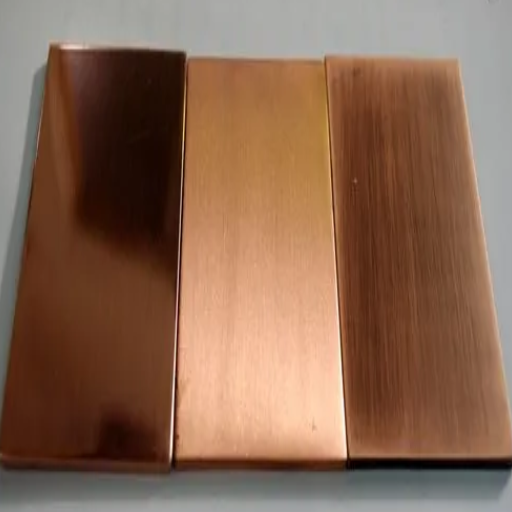
- Surface Preparation: Clean all contaminants, including dirt, grease, and oxide layers, on the stainless steel surface using proper mechanical and chemical methods. Use a suitable degreasing agent and follow through with either mechanical or chemical cleaning to ensure the surface is clean.
- Activation Process: The stainless steel can be activated by dipping it in HCl, which will lightly etch the surface. This improves the adhesion of copper plating.
- Prepare the Plating Bath: Mix copper sulfate solution, adjusting it to the required concentration (20-30 g/L). Add a stabilizing acid, such as sulfuric acid, at a 50-100 g/L concentration. If needed, add a source of chloride ions to improve the deposition rate.
- Monitor Conditions: The pH of the solution must be controlled and maintained under 1, while the temperature should be kept between 20 and 30°C. These conditions are essential for the quality of copper plating.
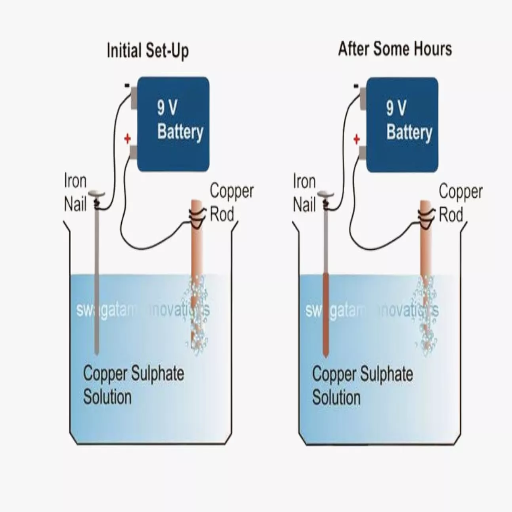
- Plating Process: Charge the stainless steel as a cathode and copper as an anode in the prepared solution. Immerse the stainless steel in the solution while applying the correct current density, allowing temporary uniform copper deposition throughout. During the process, ensure adequate agitation or circulation of the solution.
- Finishing: After plating, the coated stainless steel should be rinsed in distilled water to remove residual solution and dried. Perform any necessary post-treatment, such as polishing, to achieve the required finish.
What Are the Steps to Electroplate Copper on Stainless Steel?
- Surface Preparation: The surface of the stainless steel part will be cleaned using degreasers and abrasives to remove all contaminants. This would ensure proper adhesion to the surface. Additionally, I could apply an acid etch or a nickel strike to enhance conductivity and improve the coating’s adhesion.
- Setting Up the Electroplating Bath: I would set up an electroplating bath with a copper sulfate and sulfuric acid solution. Monitoring the bath temperature and pH is necessary to ensure they meet the set optimum ranges for effective plating.
- Electroplating Process: I would run a steel piece while connecting it to the power supply negative terminal (cathode) and attaching a pure copper plate to the positive terminal (anode). Copper is progressively deposited onto the stainless steel, immersed alongside the electric current in the appropriate solution.
- Post-Plating Finish: I will polish the piece to attain the required standard before rinsing it under deionized water and drying it thoroughly.
How to Ensure the Copper Layer Sticks to the Steel?
For the copper layer to bind well with stainless steel during the plating process, the following key actions and parameters should be taken into consideration:
- Surface Preparation: As with all stainless steel processes, its surface preparation steps are significant. Contaminants and oxide layers can be removed with Abrasive cleaning or Mechanical polishing. After that, the surface should be cleaned using an acid cleaning solution (hydrochloric acid (5–10%) or sulfuric acid (10–20%)) to activate and etch adequately.
- Strike Layer: Adhesion must place a skinny ‘strike’ layer before proceeding with copper plating and skinny copper layer plating electrolyte, usually in the form of copper cyanide bath or acid copper sulfate solution at low current densities of (0.1 – 0.3 A/dm²). This forms a consistent bond layer.
- Bath Composition:
-
-
- The upper limits of the main copper plating mixes allowed is an acid copper sulfate solution with these components:
- Copper sulfate(CuSO₄·5H₂O) : 180 – 200 g/L
Sulfuric acid (H₂SO₄) : 45 – 60 g/L
Chloride ions (Cl⁻): 50 – 100 ppm - Bath temperature must be kept between 20 – 30°C (68-86°F)
- Acid concentration modeled at 2 – 5 A/dm²
-
- Proper Rinsing: Rinse properly to remove Copper buildup and provide ample adhesion irrespective of the surface preparation methods used. The residue left after each cleaning stage weakens the bond and can create imperfections on the copper layer.
- Verification and Testing: Following plating, the steel is subjected to tape testing or bend testing to determine if the copper layer’s adhesion strength to the steel substrate is satisfactory. These methods will help ascertain if the copper layer is firmly bonded.
Stainless steel will be effectively and reliably bonded to the copper layer if the steps provided are undertaken.
What Role Does Temperature Play in the Plating Process?
Temperature affects the quality of the plated layer, deposition rate, and chemical reactions, making it a crucial factor to consider during the plating process. Increasing temperature improves the reaction rate, leading to enhanced plating process efficiency. However, too much heat may damage the electrode solution, causing stress in the deposit and leading to a loss of adhesion and durability.
For optimal copper plating on stainless steel, the recommended copper bath temperatures are between 120°F 160°F (49°C and 71°C). The set boundaries will elevate the deposition rate while increasing the quality of the end product and reducing the chances of pitting and uneven coatings. When precise control of these temperature ranges is maintained, plating process results will improve in consistency and quality.
What Are the Recommended Solutions for Achieving Optimal Results?
To obtain the best outcomes for copper plating on stainless steel, it is recommended that the following solutions are implemented:
- Surface Preparation: Thoroughly and adequately clean the stainless steel surface to eradicate oils, oxides, residues, and other cleanliness concerns and ensure proper bonding.
- Proper Bath Composition: A balanced copper plating bath with the necessary additives should encourage uniform deposition and prevent defects.
- Temperature Control: The copper bath should be maintained between 120 °F and 160 °F (49 °C and 71 °C) to consistently produce results while avoiding risks like pitting and uneven coating.
- Current Density Management: The correct current density, based on the composition of the plating solution and the substrate, should be applied to ensure plating thickness uniformity.
- Agitation and Filtration: Stagnant solutions and coating quality hindering impurities should be avoided through appropriate agitation and filtration to maintain solution cleanliness.
Stainless steel can be coated with high durability and quality copper by following these interventions.
How to Deal with Oxidation on Stainless Steel?
My first step in eliminating oxidation on stainless steel involves cleaning the surface using warm water and a mild detergent to eliminate dirt or grease. A non-abrasive scrubber or a paste made from baking soda and water usually does the trick for less severe oxidation. In cases of persistent oxidation, I often turn to a commercial-grade stainless steel cleaner or rust remover. I always thoroughly rinse and dry the surface after cleaning to avoid moisture from encouraging further oxidization. Lastly, applying a thin protective layer of oil or sealant helps preserve the finish and retard future oxidation.
What Contamination Issues Should Be Avoided?
To remove a stainless steel contaminant, it must have the appropriate tools. Using carbon or iron steel tools is a common form of cross-contamination. Cohesively, constituents should always ensure the tools used are clean and impurities-free.
Chloride contamination, which may come from cleaning materials or different environmental sources, can also cause pitting corrosion. Do not use cleaners with chlorides or bleach; if they must be used, rinse thoroughly with water immediately after use. The chloride concentration in cleaning solutions should not exceed 50 ppm to avoid breaching standards.
Also, exposure to highly destructive chemicals or extended exposure to acidic environments can reduce the surface passivation layer, leading to weakening over time. Cleaning solutions should be within 6-8 pH for stainless steel maintenance. These measures and appropriate routine maintenance can significantly reduce the risks posed while improving the durability of stainless steel surfaces.
What Is the Ideal Thickness for a Copper Layer?
The optimal thickness of the copper layer varies based on its application. As far as my research goes, the average copper thickness for PCBs is 35 micrometers or 1.4 mils, approximately 1 ounce per square foot. This level of thickness is standard and serves the purpose of most electronic designs regarding mechanical durability and conductivity. On the other hand, some applications may require 2 to 3 ounces per square foot, 70 to 105 micrometers, or 2.8 to 4.2 mils due to higher electrical and thermal load. For industrial or architectural use, the thickness may typically be in gauge, 16 to 20 oz/ft² (560-700 µm). They also need to consider the current carrying capacity of the copper layer, its thermal performance, and the level of exposure to the environment. Changes should be made to the requirements set in standards, such as IPC-2221 for PCBs.
How Does the Application of Copper Plating Enhance Stainless Steel?

It is usually thought that copper plating decreases the value of stainless steel since this is the last metal one would think to see on stainless steel. Still, copper enhances the value of stainless steel by enhancing electrical conductivity, which is highly valued in appliances requiring current flow. Furthermore, copper aids in the moderation of heat by significantly improving thermal conductivity, which further allows for thermal energy flow in high-stress regions. While discussing stress, the copper layer is an additional protective mantle, safeguarding the core stainless steel from specific corrosion and increasing its durability. Copper also acts as a solder and bond facilitator, broadening the material’s applicability in industrial and electronic works.
What Are the Benefits of a Copper Coating?
Focusing on the remarkable benefits of copper, copper plating further improves the material in nautical environments as it best resists corrosion. Alongside that, copper is also resistant to corrosion and, as such, helps prolong and safeguard materials from adverse conditions while protecting them even in the harshest conditions. Copper is known for its excellent thermal and electrical conductivity, aiding in the performance of energy transfer systems in electronics or industrial equipment, dramatically benefiting society. Moreover, the coating enhances adhesion during soldering and bonding, making it highly efficient in repairs and manufacturing. Being versatile and durable while combining a copper coating helps meet various commercial and industrial needs, making the coating invaluable.
How Does Copper Plating Improve Corrosion Resistance?
The copper plating process also adds life to parts because it helps protect against rust, which is caused by oxidation and other factors. Copper plating makes it easier to control rust by preventing the surface from oxidizing and corroding. Also, the layer of copper protects the material underneath from moisture, oxygen, and other harmful elements. Copper’s protection against biological corrosion is another plus that copper plating adds.
Due to copper’s intrinsic features, copper plating enhances corrosion resistance and increases antimicrobial efficiency. Usually, copper plating involves applying equal steps of 5 microns to 25 microns, depending on the application requirement. Copper plating provides better performance when controlling rust in marine, industrial, or other settings where parts are continuously subjected to corrosive and harsh environments.
What Are the Electronic Applications for Copper-Plated Stainless Steel?
The combination of ductility and corrosion resistivity makes copper-plated stainless steel a remarkable choice for electronics. I would emphasize its use in shielding parts, connectors, and circuit boards where electricity matters. For instance, in PCBs (printed circuit boards), the electrical conductivity of the material used dramatically influences the signal transmission. Polished copper with stainless steel has an electrical conductivity of about 5.96 x 10^7 S/m. Moreover, the adhesion strength of the copper layer to the stainless steel substrate is essential, as a bond strength of about 10-20 MPa is usually required to maintain reliability in harsh conditions. These materials are also suitable for providing trusted coverage against EMI for sensitive electronic components. The features above benefit the material when designing sophisticated yet sturdy electronic gadgets.
What Application Techniques are Available for Copper Plating?

A variety of techniques for copper plating on stainless steel exist, each one tailored to specific needs:
- Electroplating is the most widely used method; it employs electric current to place a thin layer of copper on the stainless steel surface.
- Electroless Plating is a chemical process that does not use electricity. It deposits copper uniformly, making it especially good for complicated shapes.
- Brush Plating – This manual method selectively adds copper to specific areas using a conducting brush. It is best suited to small, targeted areas.
- Thermal Spraying sprays molten copper on the underlying surface or substrate. It is associated with thicker coatings or surfaces that require high durability.
All of these methods have advantages; however, the decision of which to use is primarily influenced by the desired level of precision, cost, and application of the copper plating.
Comparing Electroless and Electrolytic Methods
It is clear that comparing electrolytic and electroless methods, each comes with specific advantages that differ from each other case by case. Electroless plating does not use electrical current. Therefore, it is best suited to coat non-conductive surfaces or plate items with intricate shapes. This approach also guarantees that regardless of the contour or shape, the thickness of the coating will be consistent in all areas. Conversely, electrolytic plating is better for increased deposition rate and control in coating thickness on conductively funded substrates, however it does have strict requirements of the substrate needing to be conductive while needing a more precise setup with external power. Ultimately, the choice between the two approaches relies on the material and geometry along with the particular needs of the coating process.
The Use of Copper Wire as an Electrode
Copper wire is the most utilized electrode due to its exceptional properties, which provide resistance from corrosion, excellent durability, and electrical conductivity. Copper wires are frequently seen in electrical discharge machining (EDM), electroplating, and welding systems. The industry uses copper due to its high conductivity, assures minimal energy loss, making the process efficient.
Advantages of Using Copper Wire as an Electrode
- High Conductivity—Greater Efficiency Copper’s electrical conductivity at 20°C is 5.96 multiplied by 10 power of 7, which ensures decreased resistive losses.
- Thermal Stability – It can withstand vast amounts of temperature with a melting point of 1,085 °C, which means copper can be utilized for demanding applications.
- Corrosion Resistance – Copper retains good strength during usage, ensuring durability.
Aspects for Common Applications
- Electroplating: A copper wire anode needs a 10-40 A/dm² current density relative to the plated material.
- EDM: A high-purity copper wire (typically ≥99.9%) 0.25-0.4 mm in diameter is preferred for stability and accuracy.
- Welding: In MIG and TIG welding, copper wire electrodes are used, where tensile strength (200-250 MPa) and thermal conduction have to be efficient.
Reliance on copper wire simplifies numerous technical applications because it is efficient at a low cost without consistently sacrificing copper wire performance. For optimal results, the specifications of copper wire, like diameter, purity, and setup parameters, must be tailored for the intended application.
Applications of Copper Coating in Industry
Coating a surface with copper is widespread across various industries because copper is a good conductor of electricity, is aesthetically pleasing, and does not readily corrode. We apply copper coating in electrical work to boost conductivity or avoid oxidation on metal components. It is common in the automotive and aerospace industries to reduce friction and improve wear resistance on parts like bearings and gears. Copper coating also has advantages in construction as it increases a structure’s longevity while adding to its aesthetic appeal. Some important considerations are adhesion strength, electrical conductance values, and coating thickness, which range between 10-50 microns for structural purposes.
References
Frequently Asked Questions (FAQ)
Q: What is the importance of preplating when electroplating copper on stainless steel?
A: Preplating is crucial in electroplating copper on stainless steel because it helps remove the oxide film, ensuring a good bond between the copper and the stainless steel surface. This step often involves using a pickle solution to clean the surface thoroughly.
Q: How can I prepare a stainless steel surface for copper plating?
A: To prepare a stainless steel surface for copper plating, you must use various cleaning processes, including degreasing, abrasive cleaning, and a pickle solution to remove any oxide layer and contaminants. This ensures that the surface is well enough prepared for plating.
Q: What role does a copper electrode play in the copper plating process?
A: The electroplating process uses A copper electrode as the anode. It releases copper ions into the plating solution, depositing them onto the stainless steel surface, allowing you to plate copper effectively.
Q: Why must a pulse technique be used in copper plating?
A: The pulse technique can improve the quality of the copper-plating process by reducing defects and promoting a more uniform deposit. This technique involves applying current in pulses rather than continuously, which can help achieve a smoother and more consistent coating.
Q: Can I use a brass solution for copper plating on stainless steel?
A: While brass solutions contain copper, they are not typically used for direct copper plating on stainless steel. Instead, a saturated copper sulfate and sulfuric acid solution is commonly used to get copper plating on stainless steel surfaces.
Q: What happens if the stainless steel surface is not adequately cleaned before plating?
A: If the stainless steel surface is not adequately cleaned, issues such as poor adhesion, peeling, and a dull red appearance of the copper coating can occur. Thorough cleaning removes impurities and oxide films, which are essential for successful adhesion of the copper layer.
Q: How does nitric acid help in the copper plating process?
A: Nitric acid is often used to pick up stainless steel surfaces before copper plating. It helps remove oxide films and other impurities, providing a clean and activated surface ready for plating. However, care must be taken, as it can be aggressive if improperly used.
Q: Is it possible to electroplate copper on stainless steel without a pickle solution?
A: Skipping the pickle solution when preparing stainless steel for copper plating is not recommended. The pickling process is essential for removing oxide films and ensuring a clean surface, which is crucial for achieving a strong and durable copper plate.
Q: What are some common issues encountered during the copper plating process?
A: Common issues in copper plating include poor adhesion, peeling, uneven plating, and a dull finish. These can often be traced back to inadequate surface preparation, incorrect solution concentrations, or improper plating parameters such as temperature and current density.
Q: Where can I find more information about copper plating techniques?
A: You can consult specialized publications and recommended posts on electroplating processes for further reading and comprehensive details on copper plating techniques. These resources often provide valuable insights and troubleshooting tips for achieving high-quality results.


