
Galvanized steel is one of the best options for modern construction and roofing solutions because of its durability, reliability, and efficiency. This blog will take you through the world of galvanized steel by analyzing its properties, how it is made, and the different places it can be used. Readers will learn why most industries prefer this material by understanding how galvanization protects steel from corrosion and the advantages it poses for metal roofing and other structures. This galvanized steel post will help everyone decide whether you are a homeowner serving the need for a long-lasting roofing solution or a construction professional.
What is Galvanize Steel, and How is it Made?

Galvanized steel is produced by dipping steel into molten zinc or electroplating zinc onto it to avoid corrosion. Zinc prevents steel from coming into contact with water and air, the chief factor of rusting. Steel coated in zinc can serve longer because the coating can corrode instead of it. Because of its strength and resistance to deteriorating factors, galvanized steel is used in construction and automotive manufacturing.
Understanding the Galvanization Process
Galvanization is the process of coating steel or iron with Zinc to prevent rust and corrosion. Zinc is coated either by hot-dip galvanizing, which involves submerging the metal in molten Zinc, or by electroplating, which uses electricity to apply the coating. The molten Zinc forms a series of layers during the former, creating a durable bond. This coat acts as a barrier and a sacrificial protector, corroding in place of the steel. Both techniques protect and improve the performance of the metal in many environments.
How Steel is Dipped in Molten Zinc
Galvanizing involves several critical steps. Hot-dip galvanizing starts with pre-treatment, which cleans the steel with caustic cleaning to remove oils and dirt, pickling in Hydrochloric acid to eliminate any rust or mill scale, and fluxing to ward off oxidation before dipping. The final stage of the pre-treatment phase is washing to remove any residue from the solutions. The Steel is then dipped into molted Zinc and kept at a temperature of 449 degrees celcius.
When a steel component is immersed in molten zinc, the metallurgical reaction forms zinc-iron alloys on the surface. These layers are bonded, with the outermost surface composed of zinc for maximum corrosion resistance. Once the hot-dip galvanized steel is removed from the zinc bath, it is cooled by air or water quenching. The coating thickness is influenced by factors such as the bleed composition, surface roughness, and the duration of immersion, and is usually between 45 and 85 microns.
Aspects of the process include:
Zinc Bath Temperature: 830°F to 850°F (443°C to 454°C)
Immersion Time: Generally 3-10 minutes, depending on steel thickness
Coating Thickness (as per ISO 1461): 45-85 microns for structural steel
Cooling Method: Air cooling or water quenching
Hot-dip galvanizing is popular due to its longevity and ability to withstand construction, transportation, and industrial equipment exposure.
Comparing Galvanize Steel with Standard Steel
The most prominent difference between galvanized and standard steel is their corrosion resistance. Galvanized steel is much more helpful in harsh conditions, as it is coated with zinc, which protects against rust and wear. On the other hand, standard steel is susceptible to corrosion unless treated with paint or coating, often making it less ideal.
From a technical perspective, galvanized steel usually has a zinc coating between 45 to 85 microns (ISO 1461), and this coating will vary depending on the applications or thickness of the steel. The protective layer significantly increases the lifespan of steel, especially in industrial settings. Unlike galvanized steel, standard steel lacks protective galvanizing, making it susceptible to frequent maintenance to keep it from decaying due to corrosion damage. While galvanized steel is exposed to moisture and chemicals, standard steel will show signs of rapid degradation, highlighting the long-term advantages of galvanization for structural works.
What are the Advantages of Galvanized Steel?

- Corrosion Resistance: Guarding against oxidation and corrosion, the zinc coating facilitates durability even in severe environments.
- Low Maintenance: Galvanized steel requires little upkeep, which helps reduce total maintenance expenditures in the long run.
- Longevity: The galvanization process dramatically enhances the material’s life expectancy, which can last decades.
- Cost-Effective: Various applications benefit from its enduring lifespan, low upkeep, and less maintenance.
- Versatility: It is effective in commercial, industrial, and residential settings and performs indoors and outdoors well.
Exploring Corrosion Resistance Features
From my perspective, the efficiency of galvanized steel when it comes to resistance to corrosion is unrivaled, thanks to the protective zinc coating that shields moisture and oxygen. Moreover, this dual-layer protection not only prevents corrosion but also provides cathodic protection, meaning that the zinc willingly sacrifices itself to protect the steel from rust. It is reliable for long-term use due to its performance in harsh industrial, coastal, and outdoor environments. It is very evident from experts’ insights and studies that its significant advantage lies in its minimal required maintenance over decades, which significantly reduces costs while enhancing durability across numerous applications.
The Durability of Galvanized Metal
Because of its zinc galvanization, the galvanized metal keeps its dignity due to corrosion and performs well in various environments. The galvanization process applies zinc, a barrier that protects the steel from rusting. The galvanization does not stop there; it allows scratches and damages to heal, allowing the exposed zinc to corrode sacrificially first.
- Coating Thickness (Measured in microns): According to industry standards, galvanized steel’s life span increases with the thickness of the zinc coating. These standards, such as ASTM A123, specify that hot dip galvanization is done at a minimum of 85 microns and a maximum of 200 microns, ensuring longevity of protection with added lifespan.
- Atmospheric Longevity:
- Urban and Rural Areas: Zinc coating of about 85 microns is sultry and can survive 50-75 years.
- Industrial Environments: The durability can range from 20-50 years, depending on pollution and humidity.
- Coastal Regions: Exposure to corrosive seawater reduces durability in the 15 – 35 years range.
- Maintenance-Free Durability: Unlike coatings, galvanized finishes are maintenance-free, reducing cost and prolonging capital spent.
- Temperature Performance: Galvanized steel is known to withstand temperatures as high as 392°F (200°C) without risk of structural or protective degradation. For prolonged exposure beyond 480°F (250°C), some specialized alloys might be necessary.
This, coupled with its economic practicality throughout its lifespan, makes galvanized metal an ideal choice for bridges, industrial equipment, marine structures, and outdoor infrastructure.
How Galvanized Steel Offers Cost-Effectiveness
Galvanized structures offer cost efficiency owing to their steel’s durability, low upkeep, and maintenance needs. The zinc coating provides long-term protection against corrosion, decreasing repair and replacement costs substantially over time. For instance, galvanized steel can withstand corrosion over five decades in rural environments compared to around twenty to twenty-five years in highly industrial or coastal areas. Such value further decreases the lifecycle costs as opposed to other materials that need frequent replacement. Moreover, its initial cost, which is slightly higher than untreated mild steel, is counterbalanced by increased expenditures on protective treatments and upkeep, enhanced coating thickness (about 45-85 microns depending on application), and corrosion resistance at varying levels of exposure enduring diverse conditions while delivering economic value.
What are the Common Uses for Galvanized Steel?

Different industries use galvanized steel because it does not corrode easily. Its constructive purposes include roofing, gutters, and even beams. Bridges and tunnels also have parts made from it. Additionally, automotive industry manufacturers use seemingly dull yet galvanized car frames and body panels. Car frames and body panels made from galvanized steel increase the vehicles’ lifespan. Farming equipment and fences also rely on galvanized steel, showcasing the material’s ability to endure harsh weather and moisture.
Applications in the Construction Industry
I can understand why people claim that galvanized steel is used widely in construction. Fences, structural supports, and frameworks are key components in buildings. Bridges and tunnels made from galvanized steel pair well with severe weather since they are so durable. Unlike most metals, steel does not rust. Railings and balconies are other examples of outdoor structures that are built tough. Rigid construction guarantees long-term durability. Because top-level durability is coupled with lowered maintenance, construction expenses drop considerably.
Utilizing Galvanized Steel Products in Metal Roofing
Galvanized steel offers exceptional protection against corrosion and is incredibly durable, making it an excellent candidate for metal roofing. It is galvanized to form a protective outer layer of zinc, which boosts its anti-rusting properties. This makes galvanized steel ideal for places with heavy rain, snow, or high humidity, as it stands the test of time.
- Coating Thickness (Zinc Coating):
-
-
- The thickness of the zinc coating directly affects the durability value of galvanized steel. Z275 (275 g/m²) and G90 (0.90 oz/ft²) are commonly known grades offering strong anti-corrosion protection.
-
- Steel Strength:
-
-
- High-tensile strength steel with a structural gradation of at least 340 MPa has outstanding load-bearing capabilities, making it useful for roofing in areas with heavy snow or wind loads.
-
- Longevity:
-
-
- Appropriately installed with negligible routine maintenance, galvanized steel roofs can last over 50 years without losing functionality or attractiveness.
-
- Temperature Resistance:
-
-
- Galvanized steel is highly resilient to various temperatures, making it usable in different climates. It is usually rated for -40°F (-40°C) to 392°F (200°C).
-
Advantages in Metal Roofing Applications
- Weight Efficiency: Compared to traditional materials like concrete tiles, galvanized steel weighs significantly less, relieving the building’s structural burden.
- Cost-Effectiveness: Driven by its longevity, it provides value for money by reducing the costs of repairs and replacements over time.
- Energy Efficiency: The reflective surface of galvanized steel roofing enhances thermal performance by lowering the amount of heat absorbed, which can lower cooling energy expenses.
- Versatility: It can be finished or painted for added aesthetic appeal.
Integrating galvanized steel into metal roofing enables builders and homeowners to achieve optimal enduring cost efficiency, durability, and long-term performance.
The Role of Galvanized Material in Industrial Steel
When evaluating the galvanized component in industrial steel, I view it as an essential element because of its corrosion resistance and durability, which is made possible by zinc coating the steel. Galvanized steel’s strength and resilience allow it to be used in structural frameworks, outdoor infrastructural works, and automobile fabrication. It meets the requirements of hot-dip galvanization’s ASTM A123/A123M and zinc coating’s ASTM A653/A653M, which ensures quality. The coating thickness of 45-100 microns and tensile strength of 45000-70000 PSI define performance factors for these standards. Such factors are pertinent when considering the use of steel in harsh environments.
How Does Galvanized Steel Compare to Stainless Steel?
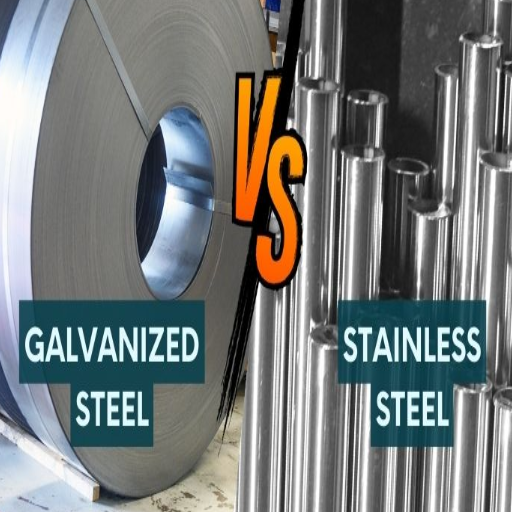
Both galvanized and stainless steel have remarkable corrosion resistance. However, their composition, application, and cost vary widely. Steel is galvanized to increase market value by applying a zinc coating that inhibits rust and corrosion. It is economical and preferred for outdoor work where strength and cost-effectiveness are essential. Stainless steel, however, is an alloy of chromium that provides unrivaled corrosion resistance alongside an aesthetically pleasing luster. It is better suited for critical applications, extreme environments with water, chemicals, and demanding looks. The higher cost of stainless steel is sometimes offset by its lengthened lifespan and minimal servicing required from its maintenance.
Analyzing the Corrosion Resistance of Both
Based on my findings, carbon steel lacks robust corrosion resistance, making it susceptible to moisture-induced rust, which requires proper coating protection. In contrast, the chromium present in stainless steel creates a passive defense that protects against oxidation and corrosion even in more demanding conditions. Even though both materials can be modified for enhanced steel performance, stainless steel is superior in initial corrosion resistance, especially in humid-shaped environments containing harsh chemicals. Styl steel is definitive for prolonged exposure to untreated carbon steel in harsh environments.
Understanding the Alloy Differences
Alloyed materials such as stainless and carbon steel are iron materials. The primary difference between these two kinds of steel is the amount and type of alloying elements, in this case, chromium. Their combination defines the properties and applications of each steel variant.
1. Corrosion Resistance:
Stainless steel has chromium as its primary alloying element. Its content is at least 10.5%. This allows a protective oxide layer to form that prevents rust and corrosion. Thus, a protective layer forms even in moist, humid, or chemically exposed surroundings. Without this protective covering, carbon steel is more prone to corrosion and rust unless protective coatings are used.
2. Strength and Hardness:
Carbon steel leads in strength, hardness, and durability due to its higher carbon content, often found in the range of 0.05 to 2.1%. This makes it suitable for structural applications, cutting tools, and high-stress environments. Alongside its soft nature, it is also highly durable, making it ideal for any application needing strength with anti-corrosive qualities.
3. Heat Resistance:
As previously discussed, carbon alloys remain less resistant to scaling and oxidation in high temperatures. While carbon specializes in temperatures above 1000°F (548.89°C), further enhancing the performance of stainless steel makes it possible to withstand high heat without losing structure. For example, stainless steel grades 304 and 316 improve performance in areas such as ailing and above 1500°F (815°C).
4. Common Applications:
- Carbon Steel is used in construction, automotive components, and machinery owing to its low cost and strength.
- Stainless Steel: Used in the aerospace industry’s cutlery, medical instruments, and components due to its cleanliness and ability to withstand extreme conditions.
5. Cost and Maintenance:
Choosing between the two involves focusing on specific basic needs, such as performance, corrosion resistance, cost, and application, as these differences identify the right steel option.
Evaluating Steel vs. Galvanized Steel in Longevity
In my analysis of steel and galvanized steel, I find that galvanized steel performs best in corrosive environments compared to regular steel. Galvanized steel is handy in outdoor or humid regions because it is coated with zinc, preventing rust. Untreated steel, on the other hand, is more prone to corroding without undergoing protective treatment.
- Corrosion Resistance: Galvanized steel is significantly more corrosion-resistant because of its zinc coating (20-100 microns coating thickness, depending on application).
- Environmental Suitability: Regular steel works in dry, controlled environments but fails almost instantly in wet environments.
- Maintenance Requirements: Unlike untreated steel, galvanized steel does not require frequent maintenance or repainting.
- Service Life Expectancy: Properly galvanized steel can last 50-75 years in rural areas, while in industrial and coastal regions, it lasts 20-50 years. Untreated steel with no protective coatings requires constant upkeep to prevent damage, making it necessary to replace or repair much earlier.
However, the determination is significantly influenced by the surroundings, exposure, and cost factors over an extended period.
What are the Best Practices for Maintaining Galvanized Steel?
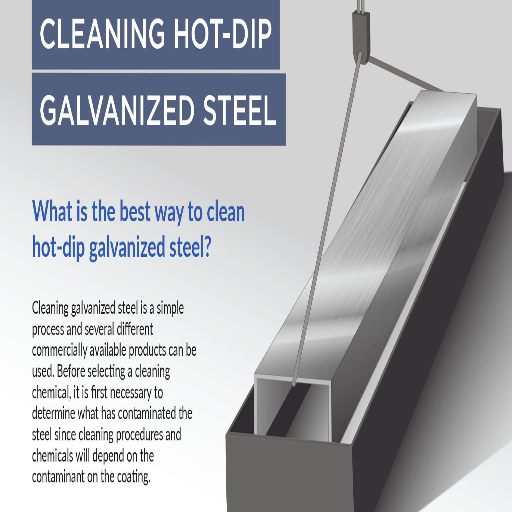
- Regular Cleaning: Clean galvanized surfaces regularly using mild soap and water to remove dirt, debris, and pollutants. This helps extend the life of the coating and prevents dirt from promoting corrosion.
- Inspect for Damage: Scratches, nicks, chips, or areas where the coating has been damaged should be checked routinely. Responding to these issues can prevent maintenance problems associated with corrosive substance attacks.
- Avoid Harsh Chemicals: Do not use abrasive cleaners or acidic solutions, as they will scrub off the protective zinc layer. Stick to appropriate cleaning products made of galvanized steel.
- Prevent Water Accumulation: Restrict steel’s contact with stagnant water for long intervals by providing efficient drainage or good ventilation.
- Touch-Up Coatings: To enhance protection, repair all damages and areas showing signs of wear using suitable zinc-rich repair materials.
These maintenance practices will improve the performance of galvanized steel by enduring an optimized lifespan.
How to Protect the Galvanized Coating
It is essential to minimize damage to galvanized coatings on steel structures. First, I wash the surface using gentle solutions like soap and water, ensuring not to use damaging tools. This preservation step removes contaminants that can harm the coating. In addition, I ensure that the surrounding area is ventilated and has adequate drainage so that moisture does not accumulate and accelerate corrosion. I also ensure that all scratches and worn areas are fixed immediately using zinc-rich touch-up paints or sprays. These measures help preserve the cohesive bond of the galvanized coating.
Steps to Prevent Rust and Corrosion
- Use Protective Coatings: Coatings like paint, powder coatings, or galvanization help create a barrier against rust-causative agents, such as water and air. Applying zinc coatings is one of the most excellent remedies. Approximately 85 microns thick zinc coatings are ideal for outdoor use on galvanized steel.
- Regular Cleaning: Ensuring that metal surfaces are free of moisture, debris, or contaminants is crucial in preventing corrosion. With steel, it is safe to use soft degreasers or pH-neutral cleaning solutions to ensure that the protective layer is not damaged.
- Control Environmental Exposure: Limit exposure to corrosive environments, such as coastal areas with salty air or industrial regions with high humidity and air pollution. Dehumidifiers in storage rooms can keep humidity below 50%, the minimum for stifling rust development.
- Cathodic Protection: This method shields a structure from corrosion by electrically connecting it to a more reactive metal, usually aluminum or magnesium, which acts as the sacrificial anode. It is beneficial for pipelines and other submerged materials.
- Use Corrosion-Resistant Materials: Choose stainless steel alloys that contain chromium or are prone to moisture aluminum for these applications. Marine applications are best suited for stainless steel grade 316 due to its enhanced resistance to corrosion.
- Apply Anti-Rust Treatments: Use rust convertors or inhibitors to neutralize rust and prevent foams from propagating. Such treatments are helpful for restoration work or areas without protective coatings.
- Ensure Proper Design: During the fabrication stages, components should be designed so water does not pool and can be drained appropriately. Simple shapes, not tight crevices or complex geometries, should be used because they trap moisture and dirt.
Combining these methodologies carefully can significantly reduce the risks of rust and corrosion, increasing the efficiency of materials used in multiple applications.
Repairing Damaged Steel Surfaces
My procedure for repairing damaged steel surfaces has a very detailed focus. First, I analyze how severe the damage is for the rust, corrosion, or any structural failures. If the damage is rusty, I ultimately brush or sand it out to ensure the base metal is clean. I rely on techniques such as sandblasting or chemical rust removers when there is deep corrosion. Once the surface is cleaned, I apply a rust converter to stabilize remnant corrosion. After that, I used the correct fillers to fill in the cracks, pits, and other worn-out areas. For these, I Use epoxy putty, and in situations where there is a need for structural integrity, I turn to welding.
Ultimately, I clean all the surfaces to remove all dirt and water, preparing them for coating. After that, I put a steel-based primer and anti-corrosive, then epoxy and polyurethane paint for protective coating onto that. This prolongs life and shields us from further harm. Below are general aspects I adhere to:
- Surface Preparation Standard: Achieve SSPC SP-10 or NACE No. 2 near white metal cleanliness for severe environments.
- Coating Thickness: Depending on the application parameters, the combined primer and topcoat should be set at a 100-200 microns dry film thickness (DFT).
- Environmental Conditions: To avoid imperfections, coating should be done at temperatures between 10 and 35 degrees Celsius and relative humidity lower than 85%.
- Weld Repair Standards (if needed): If weld repairs are required, follow the guidelines outlined in AWS D1.1 for welded steel structures.
These criteria help maintain steel’s productivity under various operating conditions and increase its longevity.
References
Frequently Asked Questions (FAQ)
Q: What is galvanized steel, and how is it made?
A: Galvanized steel is a type of steel coated with a zinc layer to enhance corrosion resistance. This process typically involves immersing the steel into a bath of molten zinc, known as hot-dipping. As the steel cools, the zinc bonds to the iron in the steel substrate, creating a protective coating that helps prevent rust and other forms of corrosion.
Q: What are the benefits of using galvanized steel?
A: Galvanized steel offers many benefits, including enhanced corrosion resistance, durability, and longevity. The zinc coating protects the underlying steel from corrosion, protecting any damaged steel. Thus, the piece of industrial steel is expected to last longer, even with severe water exposure.
Q: How does the zinc coating protect galvanized steel?
A: The zinc coating acts as a barrier that protects the steel substrate from environmental factors that cause corrosion. The zinc bonds to the iron in the steel, preventing moisture and oxygen from reaching the metal surface. Additionally, if the surface of the steel is scratched or damaged, the zinc acts sacrificially and continues to protect the steel by corroding in place of the underlying steel.
Q: What is the difference between hot-dipped galvanized steel and galvannealed steel?
A: Hot-dipped galvanized steel is created by immersing the steel into molten zinc, which creates a thick, protective layer. Galvannealed steel, on the other hand, is dipped in molten zinc but undergoes an additional annealing process where the steel is heated to bond the zinc more thoroughly to the steel, creating a matte finish. This process allows for better paint adhesion.
Q: What are common uses for galvanized steel sheets?
A: Galvanized steel sheets are used across a wide range of industries due to their durability and resistance to corrosion. Typical applications include roofing and siding, automotive parts, structural beams, and various metal products where enhanced durability is required.
Q: How long is galvanized steel expected to last?
A: The lifespan of galvanized steel can vary depending on environmental conditions and the thickness of the zinc coating. Hot-dipped galvanized steel can last several decades, providing long-term protection against rust and corrosion even in environments with severe water exposure.
Q: Is there any maintenance required for galvanized steel?
A: Galvanized steel requires minimal maintenance due to its protective zinc coating. However, regular inspections for damage and ensuring that any scratches or exposed areas are protected can help maintain its longevity and effectiveness in preventing corrosion.
Q: Can galvanized steel be recycled?
A: Yes, galvanized steel can be recycled. The recycling process involves melting the steel and effectively removing the zinc coating. This makes galvanized steel an environmentally friendly choice as the steel and zinc can be reused in new products.
Q: Are there any limitations to using galvanized steel?
A: While galvanized steel is highly durable and corrosion-resistant, it may not be suitable for environments with extremely corrosive elements, such as high salinity or specific chemical exposures. Specialized coatings or alternative steel types might be more appropriate in such cases.


