
From the perspective of surface quality, mechanical properties, and dimensional accuracy, cold-finished steel bars are considered an essential part of many industries. This guide aims to educate readers on the fundamental considerations of cold-finished bars, focusing on their manufacturing process, the benefits provided through various applications, and the primary criteria that should be focused on to choose the most appropriate type for particular requirements. Through this article, readers will understand the measurement precision in fabricating these bars and their durability and, in turn, understand why engineers, manufacturers, and designers widely accept cold-finished steel bars. It does not matter if the reader has basic knowledge or extensive knowledge on the topic, this guide aims to provide insights into the practical world of cold finished steel bars.
What is Cold Finished Steel, and How Does the Rolling Process Work?

Finishing Steel 8:17, “Cold finished steel” is the grade of steel created with hot rolling, followed by finishing processes aimed to improve surface quality, the accuracy of measurement, and mechanical features, among other things. After hot-rolling, steel is cooled and undergoes various procedures like drawing, turning, grinding, or polishing, which change how its surface is structured. Specifically, the cold rolling process improves the shape and surface of steel by passing it through rollers when the temperature is at room temperature. Cold rolling strengthens the steel due to strain hardening while providing a smooth finish and tighter tolerances, making cold-finished steel ideal for precision applications.
Understanding Cold Finished Steel vs. Hot Rolled Steel
The methods of processing, features, and uses are the main differences between hot-rolled and cold-finished steel. Finished steel undergoes further processing at room temperature, which enhances its strength, gives it a smoother surface, and results in tighter dimensional tolerances. This makes it ideal for high-precision manufacturing tasks, including making tools, machinery components, automotive parts, etc. In contrast, hot-rolled steel is processed at high temperatures, which makes it easier to shape and manufacture more prominent structural components. Although hot-rolled steel does not possess the same refinement and precision as cold-finished steel, it is more affordable and better suited for construction beams, frames, and other heavy-duty applications. Ultimately, choosing which option serves your project best is up to you by considering factors like precision, budget, and aesthetics.
The Cold Rolling Process Explained Step-by-Step
Cold rolling is a metalworking technique that involves passing steel through rollers at room temperature to achieve precise thickness and surface quality. Below is a step-by-step explanation of the cold rolling process:
- Pickling
The initial step of the cold rolling process is picking hot-rolled steel, which involves removing oxides and scales from the surface using an acid solution. This step cleans up the steel before further processing.
- Cold Rolling
The steel is pickled and then put through high-pressure rollers. The rollers lower the thickness of the steel without heating it. This improves the steel’s dimensional accuracy, strengthens it due to strain hardening, and enhances the surface quality.
-
-
- Typical thickness reduction: 50-90%
- Roller pressure: Up To 10,000 psi (depends on material properties)
-
- Annealing (Optional, depending on application)
Rolling cold does not alter the steel’s ductility but does weaken it. Restoring this property requires annealing, which is the controlled heating of the steel to a target temperature (generally 1200°F-1600°F, based on the alloy) and allowing it to cool slowly.
- Skin Passing (Final Rolling)
Skin passing or light final rolling is executed to achieve the required precision. This completes the surface finishing by removing the last traces of minor surface defects and uniform thickness and changing the mechanical properties of flatness and elongation.
- Cutting, Coiling, and Finishing
After rolling, the resulting steel is cut, coiled, or shaped according to the customer’s requirements. Further treatments such as coating, polishing, or galvanizing may improve corrosion resistance and enhance appearance.
Common Applications of Cold Rolled Steel
Cold-rolled steel is highly versatile and used perfectly for low tolerances, corrosion resistance, and high-strength applications. It can be found in automotive parts, industrial precision parts, home appliances, metal furniture, and more.
How Cold Drawing and Cold Working Transform Raw Steel
I use cold drawing and working processes to turn raw steel into exact and firm products. In cold drawing, I reduce the steel’s diameter by pulling it through a die, which enhances its superficial finish, dimensional accuracy, and tensile strength. Since the process occurs at room temperature, the chemical composition of the steel is preserved, but the mechanical properties are significantly improved.
Deforming the raw steel by rolling, bending, or pressing is what cold working is. This process increases hardness and yield strength while decreasing ductility due to work hardening. Essential parameters are reduction ratio (usually 15-50% for cold drawing) and strain rate, which must be controlled to achieve a specific target without damaging the material. I can manufacture steel with superb quality and performance characteristics customized for demanding applications through these processes.
What are the key properties and benefits of cold-finished steel bars?

Cold-finished steel bars are developed with advanced features to tackle even the toughest challenges. The most important benefits include greater size accuracy, better-quality surfaces, and higher tensile strength resulting from cold working. These bars have higher straightness, ease of cutting, and speed power, making them ideal for precision engineering. Other benefits include lower material wastage, consistent performance, reliability, and achievement of high-quality standards for the automotive, construction, and machinery industries.
Improved Surface Finish and Dimensional Precision
With everything said regarding the precision of the surface geometry and the cold-drawn bars, the cold-drawn bars seem to be the most favorable option. I believe these products possess a finely tuned surface and sharp edges within the given tolerances set by the industry. This creates enhanced compatibility for mechanical engineering elements, reducing the work needed after the machining process, thus saving time and costs. The smoothness, striations, and outstanding uniformity brought about by the cold working process differentiate the components and enhance their reliability in extreme and diverse operating scenarios.
Enhanced Mechanical Properties: Yield Strength and Tensile Strength
Due to cold working, there is a drastic increase in yield strength and tensile strength of materials because of strain hardening. Yield strength is the amount of stress a material can take before it deforms plastically, and working toward achieving tensile strength requires even higher stress. The maximum tensile strength a material can withstand before drastically breaking is cold working. The processes associated with cold working, like rolling or drawing, result in the multiplying and entanglement of dislocations relative to the material’s crystal structure.
For example, standard cold-worked steels like 304 or 316 stainless steel endure a significant reduction in tensile strength due to workloads and can increase this by 40-50%. These values are relative to the material grade and the level of deformation, which is why they change. For instance:
- 304 Stainless Steel (annealed): Yield Strength (typical): ~30,000 psi (207 MPa) Tensile Strength (typical): ~75,000 psi (517 MPa) After approximately 50% cold work, these values are expected to reach yield strength of 75,000 psi (517 MPa) and tensile strength of 125,000 psi (862 MPa).
- 1018 Carbon Steel (cold-drawn): Yield Strength (typical): ~70,000 psi (483 MPa) Tensile Strength (typical): ~80,000 psi (552 MPa) Depending on the deformation, these values drastically increase post-cold working as they grow by 20-50%.
Advancements in strength make cold-worked materials optimal for high resilience and durability, as found in aerospace components, precision instruments, and structural reinforcements. This improves strength attributes but decreases ductility and requires consideration based on application needs.
Straightness, Tolerance, and Dimensional Accuracy Advantages
Cold working effectively improves material straightness, dimensional accuracy, and tolerance. Gentle working of such material helps bend it to remarkably tighter tolerances of ±0.001 inches in diameter and 0.005 inches per foot in straightness. Cold working entails minimizing internal stresses of the material, which optimizes performance and reliability for critical applications. Such attributes make cold-worked materials suitable for precise specification devices for the medical, automotive, and aerospace industries.
What Types and Sizes of Cold Finished Steel Bars Are Available?

Finished cold draws available in the market include Carbon, alloy, and stainless steel bars grouped into categories. These feedstock materials can be round, square, flat, or even hexagonal bars. Depending on the application, bars can have a diameter ranging from a tiny 1/8 inch to greater than 6 inches. The set dimensions and shapes in the market allow the manufacturers to fulfill and select design criteria and operational requirements.
Round Bars, Square Bars, and Other Common Profiles
Due to their wide application in construction and engineering, Round bars are considered one of the most versatile. Manufacturing machine parts, fasteners, and shafts take advantage of the bars, which can be made with carbon steel, stainless steel, and even alloy steel. Sometimes, they exceed 12 feet in length, and the diameter ranges from an eighth of an inch to 12 inches. Heat treatment or alloying is done on specific materials to achieve certain properties.
On the contrary, square bars have a uniform cross-section used primarily in frameworks, structural components, and supports. They are helpful in applications where load-bearing capacity and stability are essential. Standard sizes usually vary in thickness between 1/4 inch and 4 inches and are supplied in various lengths.
Flat bars are rectangular cross-sections with various industrial uses, from construction to manufacturing. Popular dimensions include thickness ranging from 1/8 inch to 2 inches and width from 1 to 6 inches. Dimensions of squares and fencing also make these bars ideal for brackets and reinforcements.
Hexagonal bars are primarily used in machining bolts, nuts, and other fasteners. Depending on the application, they come in sizes ranging from 1/4 inch to 2 inches across the flats. Like other profiles, they are produced using various steel grades, balancing strength, corrosion resistance, and machinability.
All these profiles are tailored for specific industry needs and are manufactured according to ASTM and ISO standards to guarantee the materials used are of sufficient quality for the project.
ASTM A108 and Other Industry Standards for Cold-Finished Steel
ASTM A108 is a popular standard specification for steel bars produced by cold finishing processes. This specification sets out the limits and ranges of the chemical makeup, mechanical characteristics, and measurements of carbon and alloy steel bars. The scope of ASTM A108 is to control the quality and effectiveness of cold-finished steel products to sustain industrial demands where high accuracy and trust are needed.
Steel of various grades defined under ASTM A108 are included in this specification based on their different chemical compositions and mechanical properties. Some notable grades are 1018 and 1045, with 1018 having excellent machinability and weldability, whereas 1045 has greater strength and hardness. Bars compliant with ASTM A108 are usually used to make shafts, fasteners, gears, and other parts that require precise dimensions or surface finishes.
Key aspects of ASTM A108 include:
- Chemical Composition: The carbon content for each grade is typically between 0.10% and 0.95%. Manganese, phosphorus, and sulfur, among other elements that aid alloying, differ with each specification and will shift the properties.
- Tensile Strength:
- Regarding the grade and the processing done, it fluctuates between 55 ksi to over 100 ksi.
- Yield Strength:
- This ranges from 30 ksi to 85 ksi, depending on the grade of the material.
- Dimensional Tolerances:
- Cold-finished steel bars tend to have tighter tolerances than hot-rolled products (often ±0.002 inches).
- Surface Finish:
- Cold working processes like drawing, grinding, and turning enhance the surface quality of parts, improving their appearance and making further processing unnecessary.
Other region-specific standards like JIS G4051 in Japan and EN 10277 have similar specifications for different parts of the world. Fulfilling these standards helps manufacturers achieve product reliability for critical applications by chemically controlling the steel’s mechanical properties, dimensions, and other features. Compliance with these standards ensures the manufacturer’s readiness for global market demands without sacrificing quality.
Diameter Options and Dimensional Specifications
Depending on the grade and class of the material, we can provide diameter ranges from 5mm to 500mm. Dimensional tolerances are controlled to meet industry expectations of ISO 286-2 and ANSI B89.3.1, defining limits for modular shafts and cylindrical components. Ordinary tolerances like h6 and h9 are provided, along with any other tolerances requested by clients. Standards ranging up to 6 meters in length are customizable, with extensions available upon request. Reliability and performance in critical operations are ensured through controlled precision measurement of all dimensions and tolerances.
How Does Cold Finishing Improve Steel Bar Quality?
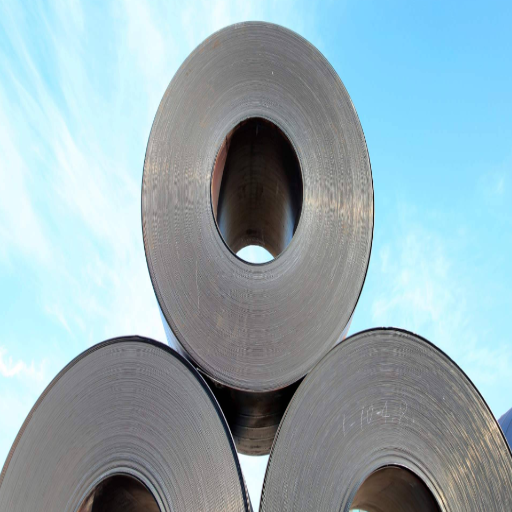
Cold finishing increases the quality of steel bars by improving the dimensions, the surface, and the features of the steel itself. This procedure enhances the material’s surface quality, removes scabs, allows greater accuracy, and increases the strength and hardness of the metal through strain hardening. These processes yield materials that exceed standards in terms of precision and reliability, making them appropriate for highly critical advanced applications that require unparalleled performance and durability.
Smoother Surface Finish Through Centerless Grinding and Polishing
Centerless grinding and polishing enhance steel surface quality by removing prominent imperfections to give a homogeneous and smooth surface. This technique smoothens the surface contours and provides a uniform finish, improving the steel bars’ functionality and aesthetics. For high-precision work where the materials need to look good and function at peak efficiency, steadily achieving strict surface quality standards is crucial, something that careful control of the grinding and polishing processes achieves.
Reduced Defects and Enhanced Durability
These stages polish and grind the workpiece surface, and so much as an impact on the integrity of the material, diminishable as scratches, pits, or micro-cracks is regarded as defect speaks volumes surface becomes more elegant, therefore, mechanically speaking, acquire with a stress-reducing contour, result, disables noticeable degradation during operation. That said, polished moving parts surrounded by harsh conditions become more resistant to corrosion and wear.
Key aspects incorporate the surface roughness values (for example, Ra ≤ 0.2 μm for high-precision applications marking enhanced hardness) and the hardness increases achieved through surface treatments or coatings. The application of advanced abrasive materials and controlled polishing pressures guarantee quality and compliance with standards like ASTM A484, which governs the surface finish and dimensional tolerances. These measures ensure that the steel bars can perform while looking aesthetically acceptable in many industries, including aerospace, medical, and automotive manufacturing.
Cold-Finished Metal Properties Compared to Hot-Rolled Steel
In my experience, cold-finished metals outperform hot-rolled steel in most properties. The finishing process usually results in increased accuracy in the dimensions, tighter tolerances, and enhanced surface finish, making cold-finished metal ideal for applications requiring high precision and aesthetic appeal. Furthermore, the cold working process increases the strength and hardness of metals, resulting in enhanced tensile and yield strength.
Key aspects include:
- Dimensional Tolerance: The tolerances for cold-finished metals are considerably tighter, ranging from ±0.001 inches, guaranteeing precision for critical applications.
- Surface Finish: Smoother surface finishing ranging from 32 to 125 microinches (Ra) reduces or eliminates the need for further machining.
- Tensile Strength: Depending on the alloy and processing techniques, cold-rolled steel increases tensile strength by roughly 20-30% compared to hot steel.
These advantages make cold-finished metals more effective for critical processes in aerospace, automotive, and medical device fabrication, where high-precision machining, surface finish, and strength are needed.
What Manufacturing Processes Use Cold Finished Steel Bars?

Cold-finished steel bars in various industrial sectors require great versatility as they are implemented in exact processes. These steel bars are commonly used in machining processes to produce shafts, gears, bearings, fasteners, and other components. They also play a critical role in fabrication and forging processes requiring tight tolerances and exceptional surface finish. In addition, cold-finished steel bars are essential for constructing structural and mechanical parts in the automotive and aerospace industries. Medical device manufacturers also utilize cold-finished steel bars to create highly detailed tools and devices in modern healthcare requiring stringent precision.
Common Applications Where Precision and Surface Finish Matter
Cold-finished steel bars are crucial for cold-finishing industries focused on precision, high strength, and outstanding surface quality. Here are some of the ways these bars are applied in other sectors:
- Automotive Industry
Cold-finished steel produces driveshafts, axle parts, and gear assemblies because of its favorable tensile strength and close dimensional tolerances. These features guarantee dependability and durability in automotive systems under great stress.
-
- Cold-finished steel boasts a typical tensile strength range of 400 to 800 MPa. Its diameter tolerances can reach up to ±0.001 inches.
- Aerospace Industry
Process accuracy and constancy are essential in the aerospace industry. For example, aircraft landing gears, engines, and frames are constructed using cold-finished steel. The industry also demands consistency, optimal surface quality, and uniformity, which is why cold-finished steel is used.
-
- It can withstand a minimum yield strength of 500 MPa, surface roughness typically less than 16 µin, and fatigue over thousands of cycles.
- Medical Devices
The medical industry requires specially tailored surgical implements, orthopedic machinery, and diagnostic gadgets. These require precision-engineered and easily machinable materials. Cold-finished steels are perfect for meeting these high-demanding standards.
-
- Cold-finished steel has very low surface finish roughness, <12 µin. It also has optional biocompatible coatings and can withstand corrosion for long periods.
Cold-finished steel remains an important asset because of its cold-finished steel bars in industries requiring precision, meticulous detail, and outstanding surface finishes.
Industries That Rely on Cold-Finished Steel Products
They have become invaluable in many industries because of their fantastic surface finishes, sustained mechanical properties, remarkable surface finishes, and superb cold-finished steel products. The automotive industry uses these materials for high-precision components and competitively sized engine parts and transmission systems that require high dimensional stability. Over 60 ksi exceed and surpass tensile strength, and a precision of as fine as ±0.001inches are needed.
In the same way, the aerospace industry utilizes cold-finished steel for components like landing gear assemblies and structural supports that are strong yet light. Such components require toughness and resistance to fatigue. The parameters might also include ultimate tensile strengths of more than 80 ksi and tight surface uniformity.
Medical fixtures also use cold-finished steel to produce surgical instruments and diagnostic equipment. These applications typically require biocompatible coatings surface finishes below 12 µin for high corrosion resistance and hygienic purposes. As these specifications portray, cold-finished steel meets such technical demands that precision aside, most other industries cannot ignore.
References
Frequently Asked Questions (FAQ)
Q: What is cold rolled steel, and how is it manufactured?
A: Cold rolled steel is a finished product created by processing a hot rolled bar through a die at room temperature (cold drawing) or passing it through rollers under high pressure. These processes involve reducing the dimensions of the steel while improving its mechanical properties. The cold drawing process alters the grain structure of the metal’s composition, resulting in tighter tolerances, better surface finish, and enhanced mechanical properties compared to hot rolled steel. Cold-drawn steel bars typically have sharper corners, smoother surfaces, and more consistent dimensions, making them ideal for precision applications.
Q: What are the main differences between cold-drawn and hot-rolled bar products?
A: Cold-drawn bars offer several advantages over hot rolled bar products. While hot-rolled steel is processed at high temperatures, cold-drawn steel bars are processed at room temperature, resulting in superior dimensional accuracy and surface finish. Cold-drawn bars have smoother surfaces, better straightness, and tighter tolerances, while the surface of hot-rolled steel tends to be rough with scale formation. Cold drawing also increases the strength and hardness of the material, though it may reduce ductility. Cold-drawn products typically have better machinability and reduced friction in moving parts, making them preferable for precision applications where dimensional control is critical.
Q: What industries commonly use cold-rolled steel products?
A: Cold-rolled steel is popular among numerous industries due to its superior finish and dimensional accuracy. It’s extensively used in automotive manufacturing for components requiring precise tolerances. The construction industry utilizes cold-drawn steel bars for structural elements and reinforcement. Machinery manufacturing uses cold-rolled steel for shafts, pins, and other precision components. Other sectors include aerospace, furniture manufacturing, appliance production, and consumer goods. The medical equipment also uses high-quality cold-finished steel for instruments and equipment frames. The versatility and properties of the steel make it indispensable across these varied applications.
Q: How can I determine which type of rolled steel bar is right for my application?
A: Selecting the right rolled steel bar depends on several factors. First, consider the mechanical requirements of your application—strength, hardness, and ductility needs. Evaluate dimensional tolerances required; cold-drawn rounds or other cold-finished products are typically better choices if tight tolerances are necessary. Consider surface finish requirements—cold-finished steel provides a superior finish to hot-rolled options. Factors in machinability needs and cost constraints are that cold-drawn products generally cost more than hot-rolled alternatives. For specialized applications, consult with a metallurgist or request a quote from a reputable supplier who can provide guidance based on your specific requirements and help select appropriate grades and processing methods.
Q: What are the standard sizes and shapes available for cold-drawn steel bars?
A: Cold-drawn steel bars come in various standard shapes and sizes. Typical profiles include rounds (ranging from 3/16″ to 12″ in diameter), hexagons, squares, rectangles, and flats. Specialty shapes such as half-rounds and ovals are also available. The dimensions of the steel products vary depending on the manufacturer, but most suppliers follow industry standards. Cold-drawn rounds are particularly common and versatile. Custom sizes can be produced for specialized applications, though minimum order quantities may apply. Notably, tolerances on cold-drawn products are typically much tighter than hot-rolled equivalents, with precision often within ±0.001″ for diameter in premium grades.
Q: How does cold finishing affect the properties of the steel?
A: Cold finishing significantly enhances several key properties of the steel. The process increases tensile and yield strength by hardening the material as it’s drawn through dies or rolled. It improves surface finish dramatically, creating a smooth, scale-free surface that reduces friction in applications with moving parts. Cold finishing tightens dimensional tolerances, allowing for more precise manufacturing. The grain structure becomes more refined and aligned in the direction of working, which can improve directional strength properties. However, cold working typically reduces ductility and toughness while increasing hardness. These property changes make cold-finished steel ideal for precision applications but may require annealing if further forming operations are needed.
Q: What surface finishes are available for cold-drawn bars?
A: Cold-drawn bars are available in several surface finishes to meet application requirements. The standard cold-drawn finish provides a smooth, accurate surface with reasonable dimensional control. For applications requiring enhanced corrosion resistance, polished finishes are available. Ground bar finishes offer superior dimensional accuracy and surface quality compared to standard drawn bars. Rough-turned finishes provide a compromise between hot-rolled and cold-drawn surfaces. Specialty finishes include chrome plating for extreme wear resistance, corrosion protection, and black oxide coatings to prevent rust. Most suppliers can also provide custom surface treatments and coatings to meet specific performance requirements—contact them to request a quote for specialty finishes.
Q: How can I test the quality of cold-rolled steel products?
A: Quality testing for cold-rolled steel products involves several methods. Dimensional inspection using micrometers and calipers verifies that the material meets size specifications and tolerances. Hardness testing (Rockwell, Brinell) confirms mechanical properties. Tensile testing evaluates strength characteristics. Surface roughness measurements assess finish quality. For internal defects, ultrasonic testing or eddy current inspection can be employed. Metallographic examination reveals microstructure and grain properties. Chemical analysis ensures that the composition meets specifications. For critical applications, fatigue testing may be necessary. Reputable suppliers perform many of these tests before shipping. Still, end-users should verify essential parameters for their specific applications to ensure they receive high-quality steel that meets their requirements.
Q: What are the storage requirements for cold-finished steel to prevent deterioration?
A: Proper storage of cold-finished steel is essential to maintain its quality and prevent deterioration—store materials in a clean, dry environment with controlled humidity to prevent rust formation. Keep steel elevated off the floor using racks or pallets to avoid moisture contact. Maintain adequate spacing between bars to allow air circulation and prevent condensation. Consider applying a light oil coating or vapor phase inhibitors for extended storage periods. Avoid storing near chemicals or in areas with temperature fluctuations that could cause condensation. If possible, store indoors rather than outdoors. When handling, use clean gloves to prevent fingerprint corrosion from skin oils. Proper inventory rotation using first-in, first-out principles helps ensure materials don’t remain in storage for excessive periods.
Q: How do I request a quote for specialty cold-drawn steel bars?
A: To request a quote for specialty cold-drawn steel bars, prepare detailed specifications including the exact material grade (e.g., 1018, 1045, 12L14), dimensions required (diameter, length, shape), quantity needed, and any special processing requirements such as heat treatment or surface finish. Specify tolerance requirements if they differ from the standard. Include information about any required certifications or testing documentation. Contact reputable steel suppliers with your specifications via their website form, email, or phone. Most suppliers have dedicated quote request forms online. Be prepared to discuss lead time requirements and delivery locations. Suppliers may request drawings or additional technical information for complex or high-precision requirements. Multiple quotes are recommended to ensure competitive pricing and availability.


