
Hot-rolled steel may look overwhelming, but professionals and DIYers can tackle it with the appropriate equipment and methods. In this post, we’ll walk through the best ways to cut hot rolled steel and the necessary tools, primary steps to prep, safety measures, and more to ensure a smooth process. Whether large-scale industrial undertakings or small projects, this guide will help you repeatedly get accurate cuts. Keep reading to learn about sawing, plasma cutting, other techniques, and ways to improve efficiency without compromising safety.
What Are the Most Common Saw Methods for Cutting Steel?

Some of the most widely used steel-cutting methods include hacksaws, circular saws, and band saws. Hacksaws are ideal for minor, precise cuts as they are handheld tools. They can also easily cut thinner steel material. Circular saws cut thicker steel much faster because they are equipped with abrasive or carbide-tipped blades. Band saws, portable or stationary, are handy for making straight and curved cuts. This is particularly true in industrial or heavy-duty applications. Each method has unique advantages, so selecting the right saw depends on the thickness of the steel, the type of cut required, and the specific project needs.
How Does a Band Saw Work for Steel Cutting?
Steel can be cut using a band saw with a continuous loop of toothed metal blades running on two wheels. The blade’s sharp teeth are adjustable, and so is the speed of the machine; therefore, it can cut through steel with precision. To achieve the best results, it is best to use bi-metal or carbide-tipped blades when cutting steel, as they ensure durability. Hefty amounts of lubricant will help cool the blade, reducing heat and increasing the blade’s lifespan. Band saws are best for cutting straight and curved tasks as they are precise.
Is a Circular Saw Effective for Steel Cutting?
Indeed, a circular saw may cut steel effectively when an appropriate blade is used and utilized correctly. The best results are obtained when the saw is fitted with either an abrasive cutting disc or a carbide-tipped blade designed for cutting metal. These blades are dependable and can take a beating while cutting through steel. The SA must be used at the correct speed because overheating the blade will wear it down—most metal-cutting circular saws run at lower RPMs than wood-cutting ones. Also, as with any mechanical work, eye and ear protection should be used.
Aspects for Using a Circular Saw on Steel
- Blade Type:
-
-
- Abrasive cutting disc
- Carbide-tipped blade for metal cutting
-
- Saw Speed:
-
-
- 1500 to 3800 RPM, depending on the tool Thickness of the steel
-
- Cutting Depth:
-
-
- Based on the specs of the saw and the cuts desired, the depth of the cut is adjustable.
-
- Lubrication:
-
-
- Cutting fluid or oil should be applied to reduce heat and improve the performance of the cut.
-
- Safety Gear:
-
-
- Eye protection, gloves, and ear plugs should always be worn during operation.
-
Following these guidelines and proper equipment ensures that a circular saw can cut steel efficiently.
Using a Hacksaw for Precision Cuts
Sawing with precision using a hacksaw makes it very easy to achieve accurate cuts for small projects. Choosing a blade for a hacksaw, I first determine the material to be cut, for a steel I use a blade with teeth between 18 and 24, and for softer metals 24-32 TPI works best. Keeping appropriate tension on the blade is essential so it does not bend or snap, and for clean cuts, I try to maintain a steady sawing action. Lubricating the blade with cutting oil lessens friction, allowing it to last longer and be sharper. Added precision can be achieved by using a vice to hold the material, preventing movement while cutting. Adhering to these parameters helps me achieve smooth, precise cuts.
How Can You Cut Metal Safely with Power Tools?
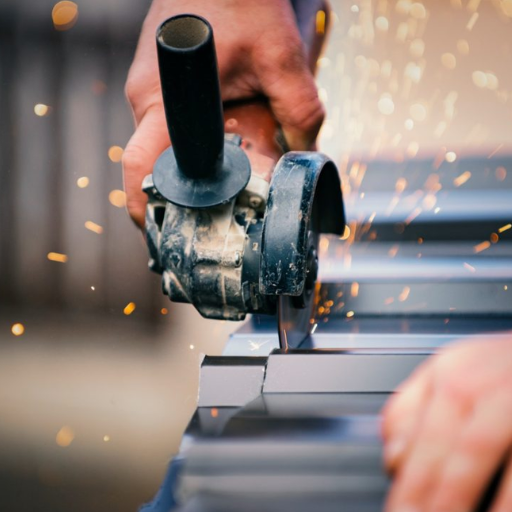
To safely cut metal using power tools, select the right tool for the task, such as an angle grinder, metal-cutting saw, or bench shear. Also, the appropriate personal protective equipment must be put on, including safety goggles, gloves, and hearing protection. To mitigate movement during cutting, securely hold the metal in position using a clamp or vice. Confirm that the correct blade or cutting disc used for metal is attached to the tool. Generally, do not exceed the tool’s recommended operating speed or apply excess force, which can lead to damages and accidents. Remember that a clean area reduces the risk of fire.
Safety Tips for Using an Angle Grinder
- Select the Right Disc
Confirm whether the angle grinder’s RPM rating matches the disc’s rotation per minute, Ninja. Identify cutting discs for metal and masonry and grinding discs for smoothing operations to identify the best fit required.
- Inspect the Equipment
Before use, ensure the angle grinder and disc show no signs of damage, such as cracks or wear. Immediately replace damaged equipment to avoid malfunctions that lead to potential accidents.
- Wear Proper Protective Gear
Put on protective goggles to cover your eyes, gloves to cover your hands, hearing protection to guard against loud noises, and a dust mask if you are working in a dirty environment.
- Maintain a Firm Grip
Grip the angle grinder with both hands and use the handles for better control and steadiness. Having both hands on the grinder will help to control the tool better while operating it.
- Avoid Loose Clothing
Prevent loose hair, jewelry, or clothing like shirts or jackets from getting caught in the grinder’s rotating components.
- Set the Correct Speed
While using the angle grinder, use the speed the manufacturer has limited it to. To avoid shattering, the speed of the disc should be equal to the speed generated by the grinder.
- Monitor Workpiece Position
Always ensure the workpiece is securely held using clamps for a vice so it does not move and can be ground or cut cleanly and safely at the required angle.
- Prevent Kickback
Always ensure the workpiece is securely held using clamps for a vice so it does not move and can be ground or cut cleanly and safely at the required angle.
- Keep a Clean Work Area
To lower the fire risks, the area surrounding the tools should not have flammable materials. The environment should also be well-lit and have enough fresh air.
- Allow the Tool to Cool
Do not let the grinder overheat. Let it cool off before starting the next task to avoid damaging the motor or other parts.
Ensuring Safe Metal Cutting with a carbide-tipped blade
When cutting metal with a carbide-tipped blade, my first considerations are safety and accuracy. I checked that the blade was designed for cutting metal and adequately mounted on the saw. For instance, a good counter-clockwise plated carbide-tipped blade made for metal cutting should have a tooth count of around 80-100 and a maximum RPM rating of 5,000-6,000, the typical gauge for circular saws. Safety goggles, gloves, and earmuffs also need to be worn. The workpiece must be securely clamped to minimize movement as the cut is made.
Furthermore, the saw should have a working guard and operate at a very low feedrate. I do not use high rates because vertical control is difficult with yawning and spinning blades. As I mentioned before, maintaining the blade and saw increases their efficiency, and for them to be properly maintained, blades need to be appropriately fitted and locked down.
Exploring Plasma Cutting Techniques for Hot Rolled Steel
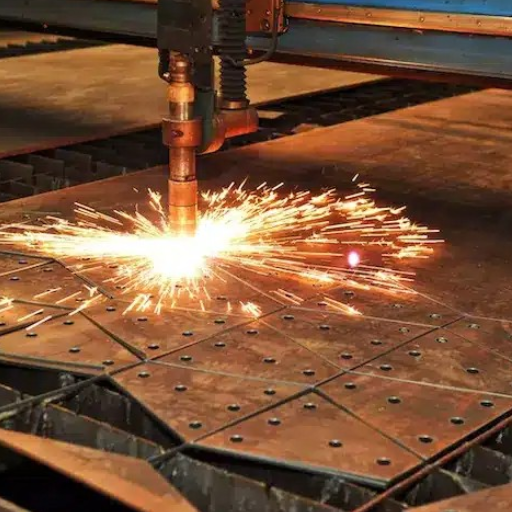
Unlike other techniques, plasma cutting hot rolled steel allows speed and precision. Ensure that the burner settings and plasma cutter amperage match the steel thickness. For optimal cutting results in hot rolled steel, undergo mill scale removal to improve cut quality and reduce nozzle wear. Strive for consistency in torch position relative to the material’s surface to maintain perpendicularity for cleaner cuts. No injuries are sustained if required measures such as gloves, protective glasses, and a welding helmet are worn throughout the entire procedure. This improves safety during operation. For continued safety, regular maintenance on the plasma cutter is instrumental. Best practice recommendations include removing the nozzle and replacing worn parts to the plasma cutter.
Understanding the Basics of Plasma Cutting
A plasma cutter uses the complete energy transfer from a power source through a gas to the workpiece to make precise cuts. Ensuring the material is clean increases quality results, for example, not having a hot rolled steel mill scale. I also make sure the cutting torch is perpendicular to the workpiece so that it does not cause ridges; changing the speed of the torch will further improve the edges. While operating the cutter, safety comes first, so I put on gloves, protective eye gear, and welding helmets. For the plasma cutter’s precision and reliability, I clean the nozzle regularly and replace the worn-out parts.
Advantages of Using a Plasma Cutter for Steel
- Precision and Quality
Plasma cutting does not compromise quality, as even the finest details require precision. The tool can make clean cuts without leaving derrière. Because of this versatility, plasma cutters can be used on models with complex shapes.
- Versatility
Stainless steel, aluminum, and even mild steel can all be cut using plasma cutters, making them incredibly handy depending on the power output, the thickness of the resistant material, and the range of the plasma cutter’s work range from 1/8 inch to over 1 inch.
- Speed and Efficiency
Plasma cutters cut faster than traditional methods like oxy-fuel cutting. There is no need to preheat the material, and plasma cutters can seamlessly cut through materials that are 1/2 inch thick.
- Ease of Operation
Most modern plasma cutters have light components and digital controls, making them easier to operate. For this reason, experts, professionals, and novices can use them.
- Cost-Effectiveness
Plasma cutting is cost-effective compared to other techniques due to a reduced heat-affected zone (HAZ). Materials are less likely to warp and be wasted, and less energy is consumed, saving money in the long run.
- Portability
Inverter-based plasma cutters, and most other types, are compact and easy to transport, enabling them to be used in workshops and at sites.
Aspects to Consider:
- Amperage Range: Most plasma cutters can operate between 20 and 100 amps. Plasma cutters with higher amperage can cut through thicker materials. For instance, a 65-amp cutter is sufficient to cut through materials that are ¾ inches thick.
- Duty Cycle: This is typically 60% for most heavy-duty industrial models, meaning the equipment can function for six out of ten minutes at peak output.
- Cutting Speed: Different materials require different inches per minute (IPM) speeds. Half an inch of steel can be cut at an IPM of 20-25 at full amperage.
- Power Supply: Configurations include single-phase (120V or 240V) and three-phase, depending on application requirements.
Comparing Plasma and Laser Cutting
Both plasma and laser cutting have unique advantages. Plasma cutting is best for conductive materials like aluminum and steel with a 1–1.5 inches thickness and is faster, more cost-effective, and more productive. In contrast, laser cutting is unrivaled in precision in thinner materials (up to 3/4 inch) and provides a superb finish, reducing the amount of post-processing needed.
- Material Thickness: Plasma is best for materials 1-1.5 inches thick, while lasers are best for materials up to 3/4 inches thick.
- Cutting Speed: Plasma has the upper hand regarding thicker materials, while lasers maintain their speed during thinner cuts.
- Precision: Lasers have the advantage of tighter tolerances and smoother edges than plasma cutters.
- Power Requirements: Plasma systems can be supplied with single-phase or three-phase power, while laser systems typically require a more stable power supply and consume more electricity.
There is no clear victor between plasma and laser cutting. Each has strengths, and the relevant applications dictate which is more advantageous.
What Is the Best Way to Cut Steel Using Waterjet Technology?
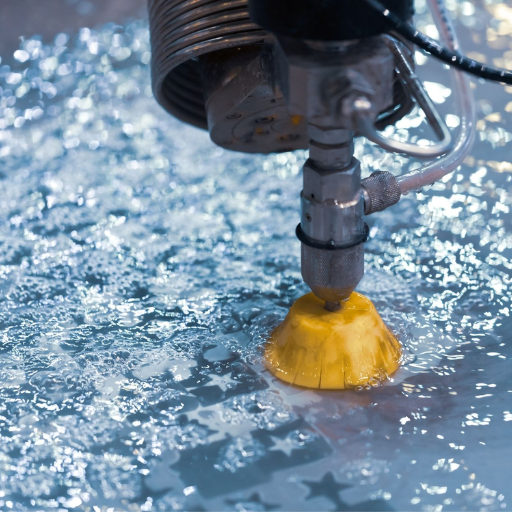
Because of their precision, water cutters are one of the most versatile and accurate methods for slicing through steel. Water cutters do not create heat-affected zones during cutting, which enables them to maintain the integrity of the material, as they can utilize high-pressure streams of water and abrasive materials at a range of steel thicknesses. This method is ideal for intricate designs and applications requiring seamless edges and high precision. Beyond that, water jet cutting does not cause as much damage to the environment as traditional cutting techniques since it avoids the use of lethal chemicals and minimizes waste. Considering the precision required, the material’s thickness and the production scale help determine whether waterjet cutting is the most effective.
How Waterjet Cutting Operates on Steel
Water cutters can create a jet capable of slicing through steel by passing water through a small nozzle employing a high-pressure pump. The abrasive water jet that enhances the cutter’s power is achieved by mixing the water jet with garnet powder. Depending on the quality of the machinery, the blade can slice through steel several inches thick.
- Pressure: Water jetting systems are known to operate from 50,000 to 90,000 psi, and as the pressure increases, the cut’s efficiency and speed increase. Cuts are made faster with increased pressure.
- Nozzle Diameter: The most common nozzles have diameters ranging from 0.010 inches to 0.015 inches, which affects the width and accuracy of the cut.
- Cutting Speed: The cutting speed is proportional to the material’s thickness and desired quality; tapered materials have slower feed rates, while thicker materials need slower speeds.
- Abrasive Material: The most widely used abrasive is garnet, which has a mesh or grid size between 80 and 120 and is ideal for cutting performance.
- Precision: Regarding precision, tolerances equivalent to as tight as ±0.001 inches make waterjet cutting suitable for complex patterns and detailed work.
These parameters guarantee that waterjet cutting delivers high-quality results without heat-affected zones or other consequences of traditional cutting methods. This makes the solution ideal for aerospace, automotive, and manufacturing industries that require precision and material integrity.
Benefits of Waterjet Over Other Cutting Methods
Waterjet cutters outperform lasers and plasma cutters for several reasons. One advantage is that it’s a cold process; without heat produced, there are no heat-affected zones, eliminating the possibility of warping. Furthermore, the ability to cut almost any material, including metal, stone, glass, composites, and even rubber, sets waterjet cutting apart. Precision is another advantage, achieving tolerances up to ±0.001 inches, which is incredibly useful for ornate designs. As primary finishing is often unnecessary, the edge quality can be considered exceptional. Key parameters to achieve the best results are garnet abrasive of 80 to 120 mesh, cutting pressures between 50,000 to 60,000 PSI, and speed based on the material’s thickness. All these factors contribute to waterjet cutting being incredibly versatile.
When Should You Choose Abrasive Cutting Methods?
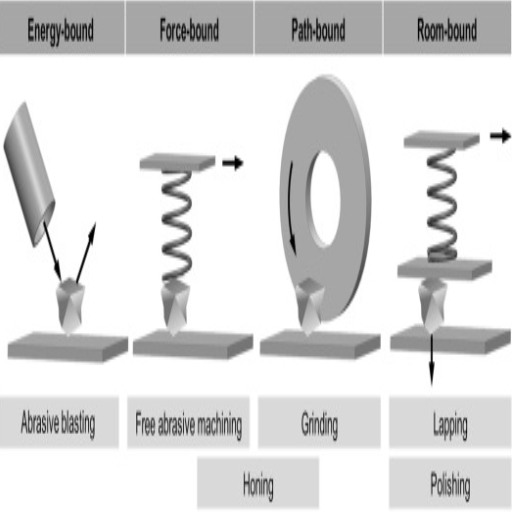
Abrasive cutting methods are preferable when it is essential not to compromise on the cut’s precision, the approach’s versatility, or the integrity of the material being worked on. This technique stands out for firm and thick items such as metal, stone, and even composite materials, which are typically challenging for other methods. These techniques are also appropriate for tasks that do not require elaborate secondary edge refinement, resulting in clean edges and low thermal stress to the part during cutting. If your application requires the precise cutting of complex shapes with tight tolerances or limitless material versatility, abrasive cutting, such as waterjet cutting, will meet your needs.
Using an Abrasive Chop Saw for Clean Cuts
An abrasive chop saw is designed for precise cutting. It can be used on various materials, from metals to masonry and certain ceramics. These saws use high-capacity abrasive discs, which cut through the materials in a grinding fashion, resulting in accurate and elegant cuts. For optimal results, these best practices should be employed:
- Blade Selection:
-
- Pick an abrasive wheel tailored for the material being cut. For instance:
-
- Metal: Aluminum oxide wheels.
- Concrete/Masonry: Silicon carbide wheels.
- Ensure the blade size is compatible with the saw, which must be between 12 and 14 inches.
-
- Pick an abrasive wheel tailored for the material being cut. For instance:
- Cutting Speed and Power:
-
-
- Depending on the material and the saw’s capacity, keep the operating speed stable at about 3,500 to 5,000 RPM.
- Use a saw with a motor power of between 2 and 5 horsepower to deal with more demanding materials.
-
- Proper Setup:
-
-
- Ensure the workpiece is properly secured using a vice or clamps so it doesn’t move while being cut.
- The blade needs to be aligned to the cutting line perfectly.
-
- Safety Measures:
-
-
- Personal protective equipment, such as earmuffs, goggles, and gloves, must be worn before starting the chop saw.
- Remove any flammable objects and other tools from the area where you will be cutting.
- When the saw is used, abrasive material forms. If the abrasive saw blade shows any signs of not being sharp enough to work, constantly change it.
-
- Minimizing Heat and Debris:
-
-
- Allow the Al2O3 abrasive wheel to cut smoothly through materials that require little force. Applying great force can lead to overheating and erosion of the cutting surface.
- Reducing clutter and visibility can be achieved using spark traps and improving focus around the cutting area.
-
These recommended parameters and precautions allow abrasive chop saws to provide clean, precise cuts. While these saws are handy for increasing safety and efficiency, they also have unmatched durability and accuracy.
Choosing the Right Disc for Your Cutting Needs
In all of my cutting tasks, I pay attention to the material being cut and the disc that needs to be used. When cutting metal, for example, I make sure to use a high-quality abrasive disc with a thick rough bond that is no more than 1/8 inch thick for clean and precise cuts. When working with concrete or masonry, a rough diamond blade is my go-to as it is guaranteed to cut precisely and last long due to its grit and hardness.
I also pay attention to the size of the disc and how well it fits with my chop saw. I must also consider whether the RPM matches the saw. For instance, a 14-inch disc must be rated at least 3,900 RPM. My focus always lies on the manufacturer’s instructions, as they provide the best tips for optimizing the machine’s performance and safety. All these actions guarantee that I obtain the best and most precise cuts regardless of material.
References
Frequently Asked Questions (FAQ)
Q: What is the best way to cut hot rolled steel plates?
A: The best way to cut hot rolled steel plate often depends on the thickness of the steel and the precision required. Standard methods include using a plasma cutter for precise, high-speed cuts or a horizontal band saw for thicker steel where a straight cut is needed.
Q: How does a metal cutting circular saw work for cutting steel?
A: A metal cutting circular saw uses a specialized cutting blade, often carbide tipped, to efficiently cut through metal. The saw’s powerful motor and high blade speed allow it to cut sheet metal and steel plates with precision and speed.
Q: Can a miter saw be used to cut steel?
A: Yes, a miter saw can be used to cut steel if equipped with a carbide-tipped blade designed for metal. This tool for cutting metal allows for angled cuts, making it useful for projects that require precise miter angles.
Q: What role does a reciprocating saw play in cutting metal?
A: A reciprocating saw is a versatile metal cutting tool particularly useful for demolition work or cutting metal in hard-to-reach areas. It uses a back-and-forth motion to slice through metal, and with the proper blade, it can effectively cut through steel and other metals.
Q: How do tin snips help you cut sheet metal?
A: Tin snips are a simple hand tool for cutting sheet metal. They operate like scissors and are effective for making straight cuts or curves in thin metal sheets. Tin snips are best for smaller projects where precision is necessary.
Q: What is plasma cutting steel, and how does it work?
A: Plasma-cutting steel involves using a high-velocity jet of ionized gas (plasma) to melt and cut through metal. This method is highly effective for cutting thick steel quickly and precisely and is commonly used in industrial applications.
Q: Why is a carbide-tipped blade preferred for cutting metal?
A: A carbide-tipped blade is preferred for cutting metal because it is highly durable and stays sharp longer than regular steel blades. This allows it to cut through rigid materials like steel plates more quickly and precisely.
Q: What is a cutoff wheel, and when is it used?
A: A cutoff wheel is a thin, abrasive disc used with a grinder to make quick, precise cuts in metal. It is ideal for cutting through metal rods, bolts, and thin steel and is often used when a straight cut is required.
Q: How do you ensure safety while using a saw to cut metal?
A: To ensure safety while using a saw to cut metal, always wear appropriate personal protective equipment such as safety glasses, gloves, and hearing protection. Secure the metal in a vise or clamp, and let the blade do the work without excessive force. Ensure the cutting tool is suitable for the material and is in good working condition.


