
For reliability in strength, machinability, versatility, and ease of work, the 1018 cold-finished steel flat bar is a superior option. This post details the properties, advantages, and numerous uses of such a premium carbon steel product. We will analyze why 1018 cold-finished steel flat bars are preferred in essential industries like construction, manufacturing, and automotive engineering, starting from its manufacturing process and ending with its mechanical characteristics. In case you are a professional searching for some technical details, or in case you wish to know about the practical applications of such material, this article is targeted at equipping you with the knowledge to make decisions regarding such a high-quality material.
What are the mechanical properties of 1018 cold-finished steel flat bars?
This class of carbon steel alloy is characterized by thermal and mechanical treatment and cold forming and is further known for the freezing process applied to it. 1018 cold-finished steel flat bar is known for its excellent mechanical properties, which include good tensile strength, high ductility, and wonderful workability. Ductility refers to the degree to which a material can be stretched without breaking. This form of steel has a tensile strength estimated to lie between 70000 and 80000 PSI (pounds per square inch). In addition to this, it yields an approximate 60000 PSI yield strength. Furthermore, it has approximately 126 Brinell Hardness, which means it is difficult but soft enough to machine. The steel possesses fair weldability and can be heat treated for some features, denoting that it can be endlessly employed in industrial applications.
Understanding tensile strength and yield strength of 1018 steel
As noted in the research, the tensile and yield strength of 1018 steel correlates with its ability to take up stress without deforming or failing. I can safely say that 1018 steel has a tensile strength of between 70,000 and 80,000 PSI, which means it can endure stretching or pulling forces. It has a yield strength of approximately 60,000 PSI and marks the stress limit until it changes from elastic to plastic deformation. It shows that 1018 steel is quite strong and flexible simultaneously, which is helpful for many machining and structural uses.
How 1018 steel compare to other low-carbon steel varieties
Among the low-carbon steels, 1018 steel is unique in strength, machinability, and weldability. Compared to low-carbon steel types like A36 and 1020, 1018 provides tighter tolerances and consistent property characteristics. For instance, A36 steel is used in structural use and has a minimum yield of 36,000 PSI, while 1018 steel has a yield strength of about 60,000 PSI, which makes it precision machined and small parts.
The specifics regarding the manufacturing processes of the steels result in 1018 steel having better mechanical properties than 1020 steel, which possesses low carbon content and good weldability. 1020 steel has a lower tensile strength of 65,000 to 72,000 PSI than 1018’s 70,000 to 80,000 PSI. Additionally, 1018 steel’s higher yield strength allows for more excellent durability and resistance to deformation under stress.
The precise technical distinctions enable 1018 steel to surpass the standards set for parts with advanced requirements for precision fabrication, alignment, strength, and machinability. These features make 1018 steel particularly useful in industrial applications such as machining components, pins, and gears, where a focus on uniformity and reliable quality is essential.
ASTM standards and specifications for 1018 carbon steel
For 1018 carbon steel, the ASTM A108 standard is the primary guideline for cold-work carbon steel bars like 1018. Along with other requirements, this standard ensures that the material will meet requirements for surface finish, composition, and mechanical properties.
The key features of 1018 steel are as follows:
- Chemical Composition:
- Carbon (C): 0.15-0.20%
- Manganese (Mn): 0.60-0.90%
- Phosphorus (P): ≤ 0.04%
- Sulfur (S): ≤ 0.05%
- Mechanical Properties:
- Tensile Strength: 440-790 MPa (64-115 ksi)
- Yield Strength (Min): ~370 MPa (54 ksi)
- Elongation (in 2 inches): 15-30%
Due to its tight tolerances and excellent machinability, 1018 carbon steel is reliable for manufacturing involving high performance and precise engineering specifications.
What makes 1018 cold-finished flat bars ideal for machining and fabrication?
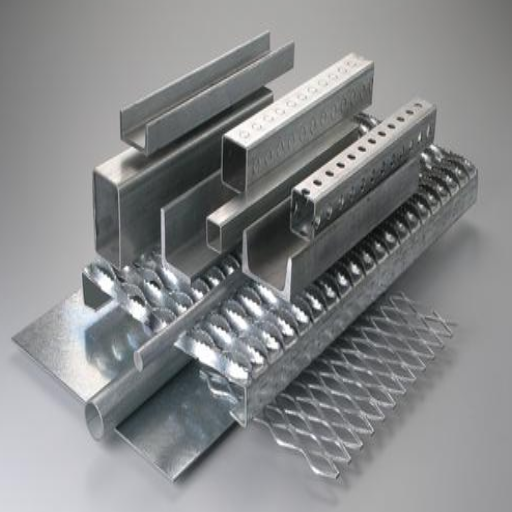
1018 cold-finished flat bars have exceptional surface quality, high accuracy, and excellent machinability, making them perfect for fabrication and machining. Their weldability is enhanced due to the low carbon content, while consistent properties provide versatility over different applications. Equally, low strength and uniformity reduce the need for secondary operations, which consumes time and cost.
Benefits of 1018 cold-finished steel for precision machining
For precision machining, 1018 cold-finished steel is the best option due to its fantastic surface smoothness [itsef], which significantly enhances finishing quality and accuracy. It has tight tolerances, which reduce variability and increase consistency over multiple units. Finally, reduced production and repair downtime due to excellent machinability and wear give the material further advantages. Its versatility and weldability make it a dependable material for different machining projects.
Cold forming and bending capabilities of 1018 steel flat bar
The 1018 steel flat bar is renowned for its exceptional cold forming and bending due to its well-balanced ductility, strength, and machinability. This material’s low carbon properties enhance the ability to bend and shape without [b]risk of cracking, ensuring precision and consistent outcomes.
Considerations For Cold Forming and Bending:
- Material Composition:
- Carbon Content: ~0.18%
- Manganese Content: ~0.60%-0.90%
- Phosphorus (max): 0.040%
- Sulfur (max): 0.050%
- Yield Strength: Approx 53,700 PSI (370 MPa)
- Tensile Strength: 63,800 PSI (440 MPa)
- Elongation: Post 2 inches ~15%-20%, which makes the steel easier to manipulate during cold working.
Key Benefits:
- Formability – The Flat Bar 1018 Steel exhibits good formability owing to its balanced elongation and tensile strength characteristics. This makes it possible to bend or fabricate the steel into custom shapes without heat treatment.
- Precision—Forming and bending operations of 1018 steel are performed with high uniformity due to preexisting tight dimensional tolerances, thus reducing the need for post-process corrections.
- Cold Work Hardening—1018 steel undergoes some work hardening during cold forming, which increases strength without sacrificing ductility.
Limitations:
Material is helpful for most cold-forming processes; however, extreme bending or sharp radius forming may lead to surface cracking or stress buildup and need pre-heating. Always follow manufacturer guidelines to maintain optimal efficiency during bending and forming operations.
Smooth surfaces and tolerance advantages of cold finished vs hot rolled bar
Of all the methods I have encountered, cold-finished bars provide tighter surfaces, smoother surfaces, and tighter dimension tolerances than hot-rolled bars. Unlike hot-rolled bars, cold-finished bars are refined to the next level with drawing, turning, or grinding, which help improve their surface finish and remove surface imperfections. This shows how finishing is essential in industrial processes.
Here are some key aspects that highlight these advantages:
- Surface Roughness: The surface roughness (Ra) value in cold finished bars is 0.8–1.6 µm, considerably lower than hot rolled bars, which have a Ra value of 3.2–12.5 µm depending on the application.
- Dimensional Tolerance: Compared to hot-rolled bars, which tend to have tolerances of ±2-5%, cold-finished bars have a tighter precision range of H9 or H11.
- Straightness: Unlike hot-rolled bars, which tend to have more significant variation in value, cold-finished bars stay within the 0.5 mm/m mark in straightness.
Considering everything, cold-finished bars are better for high-precision critical structural applications. In contrast, hot-rolled bars are more suited for less demanding undertakings where attention to detail isn’t the main focus.
How is 1018 cold-finished carbon steel flat bar manufactured?

The first step in manufacturing a 1018 cold-finished carbon steel flat bar is hot rolling the steel to a basic shape. After cooling, the bars undergo a cold drawing process, where the bars are pulled through a die to obtain specified dimensions and a finer surface finish. The bars are then subjected to other finishing operations, such as straightening and descale, which ensure tighter tolerances and improved straightness. The material’s mechanical properties, such as tensile strength and hardness, are now enhanced, making the material suitable for high-precision applications.
The cold rolling process and its effect on 1018 steel properties
Secondary processes within mechanical steel processing improve the material’s characteristics, such as the cold rolling 1018 steel. This procedure modifies the steel’s grain structure, enhancing its mechanical properties. With this procedure, the steel acquires heightened accuracy regarding dimensions, smoother surface, higher tensile strength, and superior self-defense qualities. Moreover, more excellent toughness and easier processing are acquired following cold rolling, which is critical for constructing precision parts and structural components. There is a credible reduction of imperfections and tighter tolerances that incorporate the material into exacting standards within industries.
Differences between cold finish and hot rolled 1018 flat stock
The primary difference between cold finish and hot rolled 1018 flat stock comes from their manufacturing processes, surface quality, mechanical properties, and applications. All these differences stem from the processes the material undergoes for it to either be processed or finished.
- Manufacturing Process
-
-
- Cold Finish: Annealing or temper rolling is done after cold finishing the hot rolled steel in reduction mills. This improves surface finish, refinements, and dimensional accuracy.
- Hot Rolled: Rolling the steel at high temperatures (greater than 1700°F) makes it easy to shape and form, while the cooling process follows the rolling process. The cooled steel has a rough surface texture.
-
- Surface Quality
-
-
- Cold Finish: Rolling cold steel smoothens its appearance, scales it, and produces a polished surface. It is best for use in applications that require precise diameters and aesthetic appeal.
- Hot Rolled: The cooled steel has a roughly scaled surface with sufficient gouges, making it suitable for demanding applications, even though additional finishing and machining might be needed.
-
- Mechanical Properties
-
-
- Cold Finish:
- Enhancement in yield and tensile strength owing to the work hardening process.
- Hardness increases to aid in the improvement of mechanical properties’ uniformity.
- 71 ksi of tensile strength and 51 ksi of yield strength.
- Hot Rolled:
- Conversely, yield and tensile strength are lower than cold finish, with 32 ksi and 58 ksi, respectively.
- Ductility increases, resulting in easier welding and becoming more malleable.
- Cold Finish:
-
- Tolerances
-
-
- Cold Finish: Used for critical parts because of their better dimension precision, tighter tolerances, and accuracy.
- Hot Rolled: It comes with looser tolerances and is suitable for structural applications with less critical precision.
-
- Applications
-
-
- Cold Finish is commonly used in manufacturing precision components, shafts, and gears where surface finish and dimensional accuracy are key.
- Hot Rolled: Preferred for large-scale construction frameworks, such as I-beams and sheets, due to their lower cost and ease of fabrication.
-
When choosing between cold-finished and hot-rolled 1018 flat stock, it is essential to note that both materials have an extensive range of applications. However, powered by cost-effectiveness, strength, finish, and the overall requirements of the application, the optimal choice is pretty simple.
What are the typical applications for 1018 cold-finished steel flat bars?

Pools, gears, and other machine components are readily manufactured from 1018 cold-finished steel flat bars because of this material’s extreme uniformity and excellent machinability. Additionally, it is highly sought after for tool holders, mounting plates, and fixtures that require utmost precision and extraordinary surface finish. Because of its superior strength and versatility, this material is commonly used for custom fabrication and welding projects.
Industries that rely on 1018 steel with good case hardening qualities
- Automotive Industry
Drive shafts, bushings, and fasteners are commonly manufactured from 1018 steel because of their fantastic case-hardening properties. For parts exposed to high levels of repetitive stress and extreme wear, surface durability, band resistance, and maintaining a rigid core are crucial.
- Machinery and Equipment Manufacturing
Gears, machine shafts, and spindles are some of the parts 1018 steel is crafted into. Its uniform composition and unrivaled machinability allow for excellent reliability and strength, along with a hard, wear-resistant surface. Case hardening dramatically enhances the operational efficiency and lifespan of the components above.
- Tool and Die Industry
Due to its machinability and ability to withstand high-pressure work environments, 1018 steel is routinely used in tool holders, fixtures, and mounting plates. The tools are case-hardened, giving them a durable surface capable of extending service life without reducing precision.
Aspects for 1018 Steel in Case Hardening Applications
- Carbon Content: 0.15–0.20%
This low carbon content facilitates machining and welding and still permits effective carburization in case of hardening.
- Tensile Strength: 440 MPa (approx.)
This represents a balance of toughness and flexibility that supports a component with mechanical loads.
- Surface Hardness after Case Hardening: Around 60 HRC
Such conditions guarantee resistance to wear in severe friction or impact reliable situations.
- Core Hardness: Approximately 20–25 HRC
The softer core increases ductility and shock absorption, avoiding brittle failures.
These characteristics permit 1018 Steel to be viable in different sectors, delivering sustainability, exactness, and affordability in multiple applications.
Why 1018 carbon steel is preferred for structural and mechanical components
Due to its remarkable combination of strength and ductility, 1018 carbon steel is preferred for structural and mechanical components. The low carbon content enables good formability and weldability, making the steel suitable for various manufacturing processes. 1018 steel can be further enhanced by case hardening, which improves surface wear resistance while retaining the ductile core that absorbs shock.
Aspects of 1018 Carbon Steel:
- Ultimate tensile strength: 440–790 MPa (approx)
Yield strength: 370 MPa (approx)
Brinell hardness: 121–159
Elongation(in 2in): 15%-20% (approx)
Considering various versatile applications, 1018 steel is an exceptional candidate due to its ductility and affordability. Because of its structural and mechanical reliability, it is increasingly adopted in industries requiring dependable performance.
What sizes and tolerances are available for 1018 cold-finished steel flat bars?
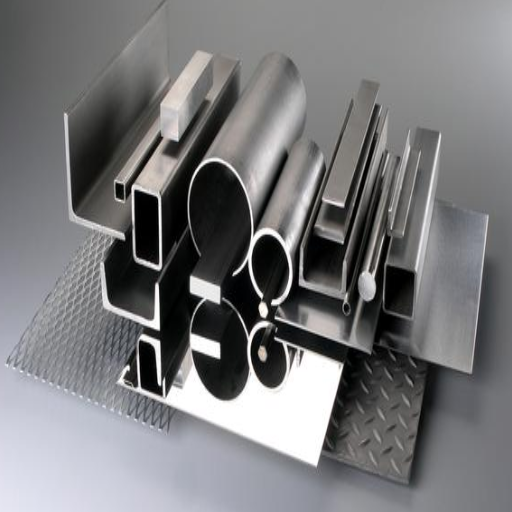
1018 cold-finished steel flat bars have standard widths of inches and thicknesses that can be as small as 1/16”, with custom sizes available to suit any steel application requirements. The offered lengths are usually 12 or 20 feet, but custom lengths can be available on request, like other measurements. As the name suggests, greater precision than hot-rolled steel is achieved for 1018 cold-finished steel flat bars; tolerances are tighter, dimensions are more consistent, and the surface finish is superior. However, specific tolerances differ from one supplier to another and generally, more often than not, comply with the ASTM A108 standards.
Standard available lengths and custom-cut options
Depending on supplier availability, 1018 cold-finished steel flat bars are generally considered standard lengths starting with 12 or 20 feet. Along with these preset dimensions, many other measurements can be pre-defined, but only on request. This means I can select the dimensions I want for different phases of a single project, leading to no scraps. Manufacturers usually follow ASTM A108 regulations, which guarantee uniformity and reliability for clients looking for non-standard and standard measurements.
Typical tolerance specifications for cold rolled steel flat bar
As far as I know, the tolerances for cold rolled steel flat bars are meticulous since they follow specific high-quality standards. For example, measurement tolerances are often controlled by ASTM A108. Usually, the width tolerance is about ±0.005 inches for lesser dimensions, whereas the thickness tolerance can vary from ±0.001 to ±0.005 inches depending on the size of the bar. Another critical parameter is Straightness, which allows only minimal deviations, in this case, 1/16 inch over a 5-foot length. These noted tolerances guarantee that the material will meet high requirements for those works that need uniformity and precision.
How does 1018 cold-finished steel compare to other carbon steel options?
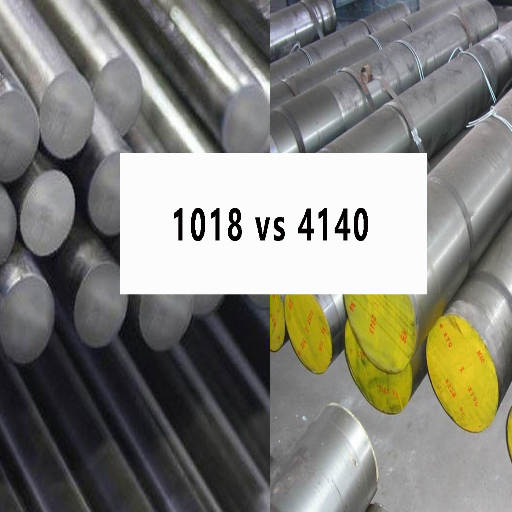
1018 cold-finished steel offers a better surface finish and machinability than most carbon steel options. Its mechanical properties, such as tensile strength and yield strength, make it suitable for precision machining and processes requiring high accuracy levels. Compared to hot-rolled steel, 1018 cold-finished steel has a more excellent surface finish and greater accuracy in dimensions because of the cold drawing process. 1018 steel is more expensive than other lower-grade carbon steels, but its reliability and consistency often justify the price in high-demand applications.
1018 Steel vs mild steel: key differences and selection criteria
When examining 1018 steel and mild steel, it is crucial to understand the differences in composition, mechanical properties, and applications.
- Composition
-
-
- 1018 Steel: A low-carbon steel, 1018 has a carbon content of 0.15-0.20%, manganese 0.6-0.9%, and small amounts of sulfur and phosphorus. The composition provides quality and consistent mechanical properties.
- Mild Steel: While classified as low-carbon steel, it can have a carbon content of up to 0.25%. Furthermore, it contains less precise alloying components, which makes the steel broader in grade and more variable.
-
- Mechanical Properties
-
-
- 1018 Steel:
- Yield Strength: ~370 MPa (53,700 PSI) Tensile Strength: ~440 MPa (63,800 PSI) Hardness (Brinell): ~126 Elongation at break: ~15%
- Mild Steel:
- Yield Strength: ~250-350 MPa (36,000-50,000 PSI depending on the grade) Tensile Strength: ~400-460 MPa (58,000-67,000 PSI depending on the grade) Hardness (Brinell): ~120-140, but varies greatly. Elongation at break: ~20-25% depending on specific type.
- 1018 Steel:
-
- Surface Finish and Precision
-
-
- 1018 Steel: Due to cold drawing, the smooth surface finish of 1018 steel, greater accuracy, and tighter tolerances enhance its precision fabrication or machining suitability.
- Mild Steel: Mild steel, in hot-rolled form, has a rough surface finish and little dimensional accuracy, making it ideal for general construction and structural usage.
-
- Applications
-
-
- Mild Steel
- 1018 steel
-
- Selection Criteria
To choose between 1018 steel and mild steel, consider the following factors:
-
-
- Budget: Mild steel is often cheaper price-wise, especially for large structures.
- Machining Requirements: 1018 steel provides higher precision and a smoother finish than other steels, making it suitable for more detailed machining.
- Intended Application: Mild steel is often adequate for less complex tasks. However, if greater precision and tighter tolerances are required, use 1018 steel.
-
These two types of steel can be selected based on specific project requirements considering their distinct properties and criteria.
Comparing 1018 to other carbon and alloy steel varieties
Across carbon and alloy steels, I find 1018 to be distinct when considering its excellent weldability, machinability, and uniform mechanical properties. Unlike higher carbon or alloy steels, 1018 possesses lower carbon content and fine-grain structure, which is suitable for tighter tolerances. When put alongside 1045 steel, 1018 offers excellent machining, ductility, and cold-forming ease while possessing lower tensile strength. Compared to alloy steels such as 4140, 1018 has no additional hardness and strength from elements like molybdenum and chrome. Still, it does have increased versatility, lower cost, and improved ductility.
Below is a comparison made to alternative materials regarding the properties of 1018 steel:
- 1018 Steel:
- Yield Strength: ~370 MPa (53,700 psi)
- Tensile Strength: ~440 MPa (63,800 psi)
- Elongation at Break: ~15-20%
- Hardness (Brinell): ~126
- 1045 Steel:
- Yield Strength: ~310-450 MPa (45,000-65,000 psi)
- Tensile Strength: ~570-700 MPa (82,000-101,500 psi)
- Elongation at Break: ~10-15%
- Hardness (Brinell): ~170-210
- 4140 Alloy Steel:
- Yield Strength (quenched/tempered): ~655 MPa (95,000 psi)
- Tensile Strength (quenched/tempered): ~825-1050 MPa (120,000-152,000 psi)
- Elongation at Break: ~10%
- Hardness (Brinell): ~197-321
These values mark why 1018 steel is the predominant selection for moderate-strength applications and precision parts. They illustrate why lower grades are chosen for their strength, hardness, or properties induced via heat treatment.
References
Frequently Asked Questions (FAQ)
Q: What is 1018 CF carbon steel, and what are its key properties?
A: 1018 CF carbon steel is a low-carbon steel with good case hardening properties. It offers higher tensile and yield strength than hot-rolled steel while maintaining excellent machinability. This general-purpose steel bar product has tighter size tolerances and a smoother surface finish due to the cold finishing process. 1018 is a low-carbon steel containing approximately 0.18% carbon, making it ideal for applications requiring moderate strength and good formability.
Q: How does the 1018 cold-finish steel flat bar differ from hot-rolled versions?
A: 1018 cold-finished steel flat bar tends to have higher tensile and yield strength than its hot-rolled counterpart. The cold finish process produces a steel product with closer dimensional accuracy, tighter size tolerances, improved surface finish, and better machinability. Cold-finished bars have a smoother, more precise surface with square corners and straight edges, while hot-rolled bars typically have rounded edges and a rougher, scaled surface.
Q: What applications are 1018 cold finish steel especially suited for?
A: 1018 cold finish steel is especially suited for cold-forming operations such as bending, swaging, and crimping. It’s ideal for general-purpose applications, including shafts, pins, studs, machinery parts, and various fabrication projects. Its combination of strength, machinability, and weldability makes it popular for parts requiring moderate strength with good formability. This versatile CRS (cold rolled steel) is also commonly used in automotive components, agricultural equipment, and general manufacturing where precision dimensions are required.
Q: What makes the 1018 steel bar a good choice for machining projects?
A: 1018 steel bar offers excellent machinability due to its low carbon content (approximately 0.18%) and uniform grain structure achieved through the cold finishing process. The steel’s homogeneous composition results in consistent cutting performance, good chip formation, and reasonable tool life. While not as free-machining as some higher-sulfur steels, 1018 balances machinability and other desirable properties like strength, weldability, and formability, making it a popular choice for general machining projects.
Q: How does the swaging and crimping performance of 1018 cold rolled steel flat compare to other steels?
A: 1018 cold rolled steel flat performs exceptionally well in swaging and crimping operations due to its balanced combination of strength and ductility. As a low-carbon steel with good formability, it responds well to cold deformation processes without cracking or excessive work hardening. The material allows for precise crimping connections and smooth swaged profiles. Its performance in these cold-forming operations is superior to higher carbon steels, which may crack during deformation. Yet, it maintains better strength than pure iron or ultra-low carbon alternatives.
Q: What standards or specifications typically govern 1018 CF carbon steel?
A: 1018 CF carbon steel typically conforms to the standard specification for steel bars, ASTM A108, which covers cold-finished carbon steel bars. It may also meet SAE J403 specifications for chemical composition. For flat bars specifically, ASTM A108 details the manufacturing requirements, mechanical properties, and chemical composition limits. These standards ensure consistent quality across different suppliers, with typical requirements including carbon content between 0.15-0.20%, manganese 0.60-0.90%, maximum phosphorus 0.040%, and maximum sulfur 0.050%.
Q: Do suppliers offer fast delivery options for 1018 cold finish flat bars?
A: Many suppliers specialize in delivering 1018 cold finish flat bars fast. Distributors typically maintain extensive inventories with hundreds of sizes of 1018 cold-finished products ready for immediate shipment. Same-day or next-day delivery is often available for stock items, while custom-cut pieces might require minimal additional processing time. Many metal service centers offer online ordering with expedited shipping options, making it convenient to quickly source this popular bar stock, even for urgent projects or production needs.


