
Lack of the right tools and knowledge can make cutting metals and stainless steel difficult. Angle grinders are one of the tools that can be utilized because they are both efficient and versatile. This blog post will provide a detailed guide on cutting stainless steel using an angle grinder. We will discuss 10 different ways to cut stainless steel and metal with the correct tools, techniques, and safety measures. Whether you are a professional or a DIYer, this guide will help you achieve the desired results for your projects. By the end of this guide, you will be able to understand the different approaches to cutting stainless steel and other types of metals using angle grinders.
What is the best angle grinder for cutting stainless steel?

Consider power, disc size, durability, and speed control when selecting the finest angle grinder for cutting stainless steel. Typically, a model with 7 to 10 amps of power and a disc size of 4.5 to 5 inches works best for accomplishing tasks with precision and efficiency. Ensure the angle grinder has set speed controls to prevent overheating on the stainless steel cut for clean cuts. Popular and reliable brands sell high-quality angle grinders that are durable and user-friendly, making them excellent choices for both professionals and DIY enthusiasts.
Power and size considerations for cutting stainless steel
I recommend a model with a power range of 7 to 10 amps for cutting stainless steel, as this enables clean and efficient cuts. A disc size of 4.5 to 5 inches works best since it is ideal for most tasks that require a balance between precision and ease of handling. An angle grinder with set speed control will help prevent overheating and enable smooth cuts.
Top angle grinders designed for metal cutting
1. DeWalt DWE402 4-1/2 Inch Angle Grinder
The DeWalt DWE402 is one of the most potent and versatile angle grinders, guaranteeing optimization while cutting metal. Its 11,000 RPM 11-amp motor provides unparalleled performance and efficiency. The unit’s one-touch guard permits rapid adjustments, while the dust ejection system ensures internal components are free from clogging debris. The ergonomic design of the tool also allows for comfortable, prolonged use.
- Motor Power: 11 amps
- Disc Size: 4.5 inches
- No-Load Speed: 11,000 RPM
2. Makita 9557PBX1 4-1/2 Inch Angle Grinder
This powerful compact grinder can cut metal, making it ideal for easy portability. The 7.5-amp motor provides an 11,000 RPM no-load speed for superior performance. Its protective zig-zag varnish guards the motor and bearing from debris. The Makita 9557PBX1 also has a paddle switch and a lock-off safety feature. The lightweight design of the device does not compromise on ease of use or durability.
- Motor Power: 7.5 amps
- Disc Size: 4.5 inches
- No-Load Speed: 11,000 RPM
3. Bosch GWS13-50VSP Angle Grinder
The Bosch GWS13-50VSP is a heavy-duty power tool made for exact metal cutting. It has a 13-amp motor and variable speed settings from 2,800 to 11,500 RPM, providing exceptional flexibility. Moreover, the tool’s reliability is further enhanced by direct-motor cooling and vented designs that prevent overheating. It can maintain its power for long periods. This tool can be controlled much more accurately with a comparatively slim grip circumference.
- Motor Power: 13 amps
- Disc Size: 5 inches
- Speed Range: 2,800 – 11,500 RPM
Whether the user is a beginner or a seasoned expert, these grinders are ideal for working with metal as they provide optimal performance and durability.
Features to look for when selecting a grinder for stainless steel
I pay attention to specific features that offer accuracy and effectiveness while working with stainless steel. First, the grinder must have enough motor power to manage a workload without stalling. I look for a range of 10 to 13 amps and a variable speed option of 2,800 to 11,500 RPM. This will assist in controlling heat to prevent discoloration on stainless steel. I prefer ergonomic compact grinders to enhance comfort and ease of movement during prolonged use, though an adequate amount of maneuverability is also necessary. A clean finish without contamination requires that the grinder be equipped with high-quality abrasive discs specifically designed for stainless steel.
- Motor Power: 10-13 amps
- Disc Size: 4.5 to 5 inches
- Speed Range: 2,800 – 11,500 RPM
If I focus on these features, I know the grinder will be capable of precise, polished results on stainless steel.
How can you safely cut metal with an angle grinder?

If you are looking to use an angle grinder for precise and safe metal cutting, follow these steps:
- Wear Proper Safety Gear: To protect against flying sparks and debris, goggles, gloves, ear protection, and a face shield should always be worn.
- Select the Right Disc: To be precise and safe, a metal cutting disc should be used.
- Secure the Workpiece: Clamp the piece of metal so it is secure and will not move during the cutting process.
- Inspect the Grinder: Before beginning, check the grinder and the disc to ensure they are free of damage or tears.
- Start at the Right Angle: Rest the grinder against the metal at a right angle for straightforward cuts.
- Apply Consistent Pressure: Lighter pressure levels should be used to avoid damaging the disc.
- Maintain Awareness: Ensure bystanders are at a safe distance and that one is aware of their environment so no accidents take place.
Following these orders, you can efficiently and safely cut metal using an angle grinder efficiently and safely.
Essential safety gear when using an angle grinder
The first thing I do when operating an angle grinder is to equip myself with the proper personal protective equipment. I wear safety goggles or a full-face shield to protect my eyes from flying debris and sparks. Afterward, I put on heavy-duty gloves to shield my hands from cuts, heat, and vibration. Since the grinder can be incredibly loud, I wear hearing protection like earplugs or earmuffs. Furthermore, I wear a dust mask or a respirator to protect myself from breathing harmful dust, significantly when cutting or grinding metal or concrete. Finally, for my safety, I avoid loose-fitting, flammable clothing and non-vented, heavy-duty work boots that cover the toes. This safety equipment helps mitigate the dangers of using an angle grinder.
Proper techniques for safe metal cutting
When it comes to using an angle grinder for cutting metal, safety protocols and techniques must be observed:
- Choose the Right Disc: Be sure to use only metal cutting discs. Abrasive cutting discs are widely used; however, for precision and durability, diamond blades and thin-cut wheels are more suitable. Furthermore, ensure the grinder’s specifications are followed, as following them might lead to damage or imbalance.
- Secure the Workpiece: Always make sure the metal is tightly clamped to a workbench or any firm surface so it can move freely during the cutting process. Workpieces that are not securely fastened risk binding the disc, which can lead to kickbacks.
- Use Proper Grinder Speed: Check the RPM the manufacturer recommends against what the grinder operates on. Usually, the RPM count of the cutting discs ranges from 6,000 to 13,000, with the division based on the type and size of the disc.
- Cut at a Controlled Angle: Keep the cutting angle between 15 and 30 degrees, preventing the disc from catching on the cut material. You should also avoid excessive grinder tilting, as this decreases cutting safety and efficiency.
- Start and End with Care: To start cutting, apply soft pressure at the perimeter of the material, letting the disc cut, and gradually deepen the cut. Do not attempt to push the disc through the metal; instead, let the tool work as you steadily, lightly press on it from all sides.
- Avoid Overheating: If the metal or the cutting disc overheats, it can lead to a subpar cut and damage to your tools. You may have to rest or use cooling discs that handle heat well, but the breaks should be periodic.
- Check for Material Thickness: Make sure the thickness of the material to be cut matches the cutting disc. A thinner cutting wheel (around 1.0–1.6mm) is advisable for more fragile metals, but thicker materials will necessitate a more robust blade.
- Inspect Tools Regularly: Before using the tool, check the grinder and the cutting disc for visible signs of wear, cracks, or damage. A disc that has undergone some damage becomes prone to shattering when spun at high speeds, which can inflict significant injury.
Following these slogans allows one to cut metal efficiently, precisely, and safely. Always put safety first, then follow the operating instructions prepared by the manufacturer for the angle grinder and cutting disc.
Common hazards to avoid during the cutting process
Сutting metal with an angle grinder has its hazards that must be addressed proactively for safe and effective operation. Always check that the cutting disc you are using is not damaged and compatible with the tool, as using the wrong cutting disc may lead to a severe explosion hazard due to the tool’s high speeds. Always ensure that the disk’s maximum RPM does not come short of the grinder’s speed, or else it will overspeed, which could cause an accident. Also, remember that operating without safety goggles, gloves, and headsets exposes one to the dangers of flying particles and deafening sounds. Hence, PPE is a necessity. In addition to that, avoid cutting from awkward angles to maintain control of the tool so that control loss leading to serious accidents doesn’t happen. Also, loosely holding the workpiece may reduce precision and risk the user’s safety. Following the manufacturer’s instructions is vital in avoiding these hazards and ensuring the tool’s consistent performance.
How to cut thick stainless steel with an angle grinder?
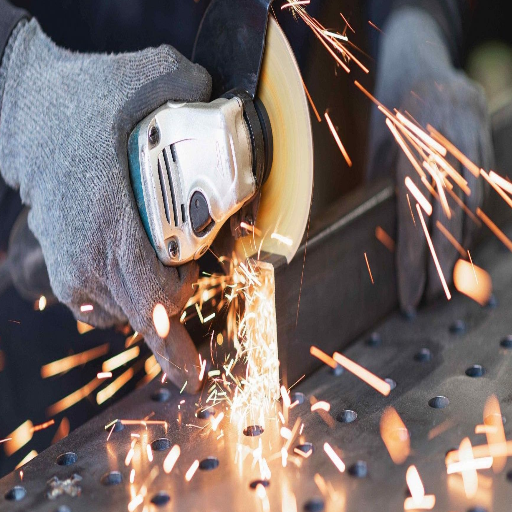
Gather a proper cutting disc designed for stainless steel when cutting thick stainless steel with an angle grinder. It is integral that the workpiece is securely clamped into position to avoid any movement during cutting. Marking the cutting line is necessary using either a scribe or a marker. Appropriate safety gear, including goggles, gloves, and ear protection, must also be worn. To achieve an accurate and clean cut, steady mengdehaw pressure must be applied while guiding the grinder along the markings. After finishing the cut, the edges must be smoothed for a polished finish using a flap disc or deburring tool. Most importantly, safety procedures need to be followed at all times.
Step-by-step process for cutting thick stainless steel
- Choose the Right Tool
If using an angle grinder to cut thick stainless steel, it is best to pair it with a high-quality disc-cutting tool intended for stainless steel. Alternatively, plasma cutters, circular saws, or blades explicitly designed for thick stainless steel can be used.
- Prepare the Material
It is crucial to firmly secure the uncut stainless steel, as cutting without proper securing may result in movement during the cut. A permanent marker or scribing tool can be used to mark the cut.
- Wear Proper Safety Gear
Keep safety at the forefront of everything. Put on gloves, goggles, and a hearing selector to protect yourself. Cutting stainless steel produces massive amounts of heat, sparks, and debris, so safety is the top priority.
- Position and Start Cutting
Both hands grab an angle grinder and a selected tool firmly. Position it on the cutting line at the edge of a mark. With cutting, go slowly at first. Apply steady pressure and follow the guidelines to cut.
- Control Speed and Pressure
A smooth and accurate cut is desired. To achieve this, do not rush the process, use too much force, or attempt to cut too quickly. Keep the speed proper; otherwise, the dense stainless steel will damage the blade or disc.
- Finish and Smooth Edges
Completing the cut is only half the task. To achieve a flawless edge, use a flap disc or deburring tool. The goal should be polished ends, as this enhances safety and precision.
- Inspect and Clean
Prepare the stainless steel for the expected job by cleaning the workpiece and removing all remnants or stains.
Multiple pass technique for thick materials
A multi-pass technique is usually required for precise cutting without damaging the stainless steel structure when it comes to thick stainless steel materials. This technique involves making several successive shallow cuts instead of attempting a single, deep cut. Here are a few noteworthy aspects to be mindful of:
- Set the Correct Cutting Speed and Depth
Start with slower speeds to keep cutting as controlled as possible. Feed rates typically fall between 0.08 and 0.15 mm/rev for a stainless steel workpiece, depending on the material and tool hardness. The depth of each pass should be set to about 10-20% of the total thickness of the material to avoid overheating or stress on the tool.
- Use Proper Cooling and Lubrication
It is advisable to incorporate a water-based cutting fluid to combat wear on the cutter and maintain an even temperature. Air or fluid must freely flow for each pass, so workpiece performance isn’t damaged.
- Maintain Tool Performance
Using stainless steel tools, such as carbide-tipped blades and high-performance grinding discs, is crucial. Sharpness should be maintained, tools must be replaced if blunt so cuts remain even and material isn’t distorted.
- Plan Pass Sequencing
Outline the sequence of cutting passes beforehand. Start with less complex edges, working into more complex intricate areas. This guarantees alignment while minimizing distortion.
- Monitor Material Temperature
Heat is best managed between passes. Allow it to cool or utilize intermittent cuts to maintain a stable temperature to avoid warping, work hardening, or risk destroying the material.
The multiple-pass approach is the most efficient form of cutting thick stainless steel slabs, producing the best precision, workpiece life, and tool life.
Cooling methods for cutting thick metal
I highly recommend efficient cooling measures for tool and material preservation when cutting thick metal. Further, for best results, combine them with industry-standard practices:
- Flood Cooling
Cutting generates a lot of heat, but utilizing a high-flow coolant system helps rapidly dissipate it. For the best efficiency, ensure the coolant is applied directly to the cutting zone at a flow rate between 10 and 20 liters per minute, depending on the material thickness.
- Mist Cooling
For lighter setups, cooling can be achieved by combining compressed air with coolant in the cutting zone. For optimal results, maintain air pressure at 30–80 psi and adjust volumetric mist according to the cutting depth.
- Intermittent Cutting
As cutting is performed at intervals, heat is allowed to flow in and out naturally. For stainless steel, limiting continuous cutting effort to 20–30 seconds is best for avoiding overheating and thermal stress.
- Compressed Air Cooling
Heat, debris, and odorous fumes can be blown off the workpiece. Optimal pressures from air with minimal water content set at 80 psi or more can improve cooling impacts without wetting the workpiece.
Merging these methods with the right tools and calibrated machines ensures precise cuts while reducing thermal damage to the materials.
What are the limitations of using an angle grinder to cut metal?

- Limited Cutting Depth
Most grinders have a low cutting range, so they cannot be used to saw through thicker pieces of metal.
- Heat Generation
Excessive grinder use can lead to overheating, which can bend the metal and break the disc.
- Disc Wear and Breakage
Due to abrasive wear, discs tend to wear down faster and break under stress, which can be dangerous.
- Lack of Precision
Cuts are hard to make as angles and shapes become more intricate or delicate details are added.
- Safety Hazards
Damage to the area around the equipment or injury to nearby individuals is a risk due to sparks that can be emitted.
Maximum thickness an angle grinder can cut
An angle grinder’s cutting depth is limited by the type of disc and the material to be cut. My research suggests smaller angle grinders with 4.5-inch discs can usually handle materials ranging from 1 to 1.5 inches thick. Larger grinders maintaining 9-inch discs can cut through 3 to 3.5-inch thick materials. Regardless of these estimates, the material’s density may impact cutting, so using dense steel or stone requires specialized cutting discs and multiple passes. Safety measures and compliance with the contractor’s manual are essential.
When to choose alternative tools for cutting
Alternative cutting tools must be chosen for angle grinder bevels, and face needs to be avoided, mainly when more vigorous precision, efficiency, or safety are priorities. Below is a set of guidelines for the aforementioned decision-making criteria and tools that accompany them:
- Thick or Dense Materials
If your grinder poses challenges with materials more significant than 4 inches in thickness—dense wood, reinforced concrete, or even steel beams—more appropriate choices would be reciprocating saws, bandsaws, or professional-grade circular saws. Have a plasma cutter ready for thick metals over 3-4 inches or large-diameter steel pipes.
-
-
- Bandsaw cutting capacity typically exceeds 6 inches for metal.
- Plasma Cutter is capable of ½ to 1-inch thickness (depending on the model).
-
- High Precision Needs
For intricate detailing or delicate trims in woodworking or metalworking projects, straight woodworking saws for straight cuts would do a better job, as would jigsaws for curves.
-
-
- Jigsaw cuts delicate materials 3-5 cm thick with precision.
- Table Saw excels with exact straight cuts in wood or laminate.
-
- Specialized Materials
Tools like wet saws for tiles or Glass cutters are perfect for glass, ceramics, or tile materials that tend to crack or chip.
- Continuous or Heavy-Duty Work
Track and chop saws are appropriate for large-scale projects requiring extensive repetitive cuts because they are designed to minimize user strain.
-
-
- Depending on the type of blade used, a chop saw with abrasive wheels or a carbide-tipped saw blade can be used to cut wood and metal.
-
- Safety Concerns
Saws that cut masonry work, CNC plasma cutters for metal parts, and other wet saws with better dust collection or water-cooling systems are safer options when excessive heat, sparks, or debris are generated during the cut.
As we know, cutting threatens accuracy, efficiency, and safety. Still, material or tool damage risk is mitigated with a proper understanding of the project’s specific requirements and the right tools to fulfill those demands. Always consult the manufacturer’s recommendations regarding material specifications and observe all safety measures.
Challenges with cutting stainless steel rods
Carbide-tipped saw blades and abrasive cut-off wheels are some of the best tools that balance friction and overheating with stainless steel rod cutting. Using low-quality blades will lead me to endure lots of tool wear, cutting, and overheating problems. As someone who’s done this in the past, I’ve learned that rod cutting requires a firm grip from a clamp so that cutting is done under consistent pressure, which makes the work easier and safer while enhancing precision. Protective gear should always be worn, along with guideline restrictions for the tool in question, to control risk. Lastly, I suggest adjusting the cutting speed from 50 to 300 surface feet per minute based on the tool and the used rod.
How do you maintain your angle grinder for the best results?

It is important to first schedule maintenance checks to ensure that an angle grinder is in good operational order. Begin disassembling the angle grinder by cleaning it thoroughly, especially the vents, by removing debris, dust, and dirt. To guarantee that the angle grinder has optimal performance, inspect the power cord and grinding disc’s condition; it is best to replace the disc if it is worn out, damaged, or does not guarantee safe operation, while the power cord will need replacement only if it is cut or frayed. Finally, clean the moving parts and apply lubricant to ensure the grinders do not jam during operation. Enhanced efficiency and performance will result from rigorous maintenance.
Regular maintenance tips for your power tool
To avoid wear on my power tools, I regularly check moving parts to confirm they do not have tears or dents and are not rusting. If any issues are noticed, I fix the problem immediately. During inspections I guarantee that the power cord is undamaged as well, if it has cuts or signs of fraying I patch or if need be replace the wire. Doing so saves me from the inconvenience of dealing with malfunctioning tools. Lastly, I only store the tools in a cool, clean, and dry place to avoid getting them rusty or damaging. Minimally, I check the tools every week, and having a schedule makes prolonging the tool’s lifespan much more straightforward.
When to replace cutting discs for optimal performance
When a cutting disc exhibits visible wear, damage, or any loss of functionality, it must be replaced immediately. Safety and accuracy are particular areas affected by cracks, chips or worn edges on the disc, cutting discs that no longer slice efficiently or frequently overheat are also issues. When changes of this nature are observed, the disc needs replacement.
To maximize performance, ensure that the cutting disc’s diameter and thickness correspond with the tool’s. Cutting discs have a thickness ranging between 1 mm to 3.2 mm. Thinner discs are appropriate for precision cuts, while thicker discs are suitable for heavy-duty tasks. To guarantee effective performance, the cutting disc should be checked to ensure that it has the appropriate maximum RPM rating and is equal to or higher than the RPM rating of the tool used to prevent failure. Alongside the guidelines mentioned above regarding optimal use, discs not within expiration dates or those exposed to moisture and abuse should also be discarded. Regular inspection is essential to guarantee sharp performance.
Extending the life of your angle grinder
I follow basic maintenance protocols and correctly operate my angle grinder to maximize longevity. I clean the vents periodically and internal components to avoid dust accumulation that could overheat the motor. Correct discs for each task minimize strain on the grinder and improve overall operation. Furthermore, I do not overwork the grinder by respecting its rated power capacity, which is typically given in watts; most are between 800W and 2,000W. Ensuring the correct speed rating of the grinder (RPM) and used discs guarantees optimal performance without unnecessary wear. Also, moving parts such as the gearbox are routinely lubricated per the manufacturer’s guidelines, and worn brushes and bearings are replaced promptly to uphold functionality.
References
Frequently Asked Questions (FAQ)
Q: What are the best tools for cutting stainless steel, and how does an angle grinder compare?
A: When looking at tools for cutting stainless steel, an angle grinder with a cutting disc is among the most versatile options. Other practical tools include plasma cutters (for precise work), circular saws with metal-cutting blades (for straight cuts in sheet metal), jigsaws with metal blades (for curved reductions of thin stainless steel), and metal shears (for thin stainless steel sheet). The angle grinder excels because it’s portable, relatively affordable, and can handle various thicknesses. However, you might need more specialized equipment for very thick steel or stainless steel plates. Each cutting technique should be selected based on the specific task requirements and material thickness.
Q: What’s the proper stainless steel cutting technique with an angle grinder?
A: The proper stainless steel cutting technique with an angle grinder involves several steps: First, secure your steel sheet firmly with clamps. Mark your cut line. Wear appropriate safety gear, including a face shield, gloves, and ear protection. Use a cutting disc specifically designed for cutting stainless steel. Hold the grinder at about a 15-20 degree angle to the material, never forcing it. Allow the tool to cut at its own pace, as stainless steel requires patience – cut slower than you would with mild steel. Move in the direction away from you, maintaining steady pressure. For long cuts, consider using a straight edge as a guide. Always let the disc stop entirely before setting the tool down.
Q: Can an angle grinder and cutting disc handle thick stainless steel sheets?
A: Yes, an angle grinder and cutting disc can handle thicker stainless steel, but there are limitations. For sheets up to about 1/4 inch (6mm), a standard 4.5-inch angle grinder with the appropriate cutting disc should work effectively. For material between 1/4 and 1/2 inch, you might need a more powerful grinder (possibly a 9-inch grinder) and special discs suitable for cutting thicker material. Beyond 1/2 inch, while still possible, the process becomes much more laborious and potentially less precise. For very thick steel plates (over 1/2 inch), alternative methods like plasma cutting or oxy-fuel cutting are generally more efficient. Remember that cutting thick stainless steel with an angle grinder will require multiple passes along the cut line, patience, and frequent disc changes as they wear down quickly on hardened stainless steel.
Q: What are the 10 ways to cut stainless steel from thinnest to thickest?
A: Here are 10 ways to cut stainless steel, ordered generally from methods suitable for cutting thin to thick materials: 1) Tin snips (for fragile sheet metal), 2) Aviation snips (for thin sheet metal with curves), 3) Metal shears (for straight cuts in thin sheets), 4) Oscillating tool (for detailed cuts in thin materials), 5) Jigsaw with metal-cutting blade (for thin to medium stainless steel sheets), 6) Circular saw with metal-cutting blade (for precise straight cuts), 7) Angle grinder with cutting disc (versatile for medium thicknesses), 8) Reciprocating saw (for rough cuts in medium thickness), 9) Plasma cutter (for clean cuts across various thicknesses), and 10) Oxy-fuel cutting (primarily for very thick steel, though less ideal for stainless). The best way to cut stainless steel depends on your project requirements, material thickness, and desired finish quality.
Q: What safety precautions should I take when cutting stainless steel with an angle grinder?
A: Safety is paramount when cutting stainless steel with an angle grinder. Always wear a full-face shield (not just safety glasses), cut-resistant gloves, ear protection, and a respirator or dust mask, as cutting stainless steel produces harmful dust containing chromium. Wear long sleeves and pants made of non-flammable material to protect from sparks and hot metal fragments. Ensure your work area is clear of flammable materials and has proper ventilation. Secure the steel sheet properly with clamps to prevent movement during cutting. Never remove the grinder’s guard; always use the appropriate cutting disc designed for stainless steel. Hold the grinder firmly with both hands at the correct angle, and never apply excessive pressure. Let the tool come to a complete stop before setting it down, and never use a damaged or worn disc, as they can shatter at high speeds. Taking these precautions seriously will help you avoid injuries while mastering the art of cutting stainless steel.
Q: Can I use an angle grinder to cut a stainless steel sink or other intricate items?
A: While technically possible, using an angle grinder to cut a stainless steel sink or intricate items isn’t ideal. Angle grinders excel at straight, rough cuts but lack precision for complex shapes. Tools like a jigsaw with a fine-tooth metal blade or a nibbler would provide better control and cleaner cuts with less risk of warping the thin material for a stainless steel sink installation or modification. If you must use an angle grinder, opt for a smaller 4.5-inch model with a thin cutting disc designed for stainless steel, work slowly, and create a template first. For intricate cuts in thin stainless steel, consider alternatives like a plasma cutter for precision or metal shears for curved cuts. Remember that sink materials are typically thin and can easily distort from the heat generated by an angle grinder.
Q: What’s the difference between cutting stainless steel with a jigsaw versus an angle grinder?
A: Cutting steel with a jigsaw versus an angle grinder offers distinct advantages depending on your project. A jigsaw excels at curved or intricate cuts in thin stainless steel sheets (typically up to 1/8 inch), provides better control for detailed work, produces less heat and sparks, and allows for more precise following of cut lines. It’s ideal for cutting openings in stainless steel sinks or appliance installations. Conversely, an angle grinder is better for straight cuts, can handle much thicker materials (up to 1/2 inch depending on the model), cuts faster, and works well for rough cutting large pieces. However, angle grinders produce more heat (potentially warping thin materials), create more sparks and debris, and offer less precision for intricate work. Choose based on your material thickness and the complexity of your required cuts.
Q: What cutting disc should I use with an angle grinder for stainless steel?
A: To cut stainless steel with an angle grinder, you should specifically use discs labeled for stainless steel or metal cutting. The most appropriate options are thin (1mm to 1.5mm) cutting discs made with aluminum oxide or silicon carbide abrasives, often labeled as “Type 1” cutting wheels. These specialized discs contain additives that prevent material contamination, which is crucial as regular steel discs can leave iron particles that cause rust spots on your stainless steel. Look for discs marked as “stainless,” “inox,” or “metal cutting” with a hardness rating appropriate for stainless steel. Avoid using grinding or flap discs for cutting tasks, as they’re not designed for cutting and can be dangerous. The thinner the disc, the cleaner the cut, but fragile discs wear out faster when cutting thick materials. For professional results on thicker stainless steel plates, consider premium ceramic or diamond cutting discs, which, although more expensive, last longer and produce cleaner cuts.
Q: What mistakes should I avoid when cutting thin stainless steel with an angle grinder?
A: When cutting thin stainless steel with an angle grinder, avoid these common mistakes: First, never apply excessive pressure as this causes overheating and warping of thin material. Don’t use a disc that’s too thick or designed for regular steel. Never cut freehand without securing the material properly – thin sheets vibrate and can cause dangerous kickbacks. Avoid holding the grinder at the wrong angle (keep it at 15-20 degrees). Don’t make continuous cuts on thin stainless steel – use intermittent passes to prevent heat buildup. Never start cutting from the middle of a sheet; always begin from an edge. Avoid cutting too quickly, as stainless steel requires patience and should be cut slower than carbon steel. Don’t ignore heat discoloration, which indicates you’re cutting too fast or with too much pressure. Finally, never neglect proper ventilation, as cutting thin stainless steel produces fine dust particles that can be harmful when inhaled.
Q: What’s the best way to get clean, straight cuts in stainless steel sheet metal?
A: The best way to get clean, straight cuts in stainless steel sheet metal combines proper technique and setup. Start by firmly clamping a straight edge (like a metal ruler or angle iron) along the cut line to guide your tool. For an angle grinder approach, use a thin cutting disc (1mm) specifically designed for cutting stainless steel, set your grinder to full speed before contact, and move consistently, allowing the tool to do the work. Cut with light, even pressure at a slight angle (15°) to the material. For cleaner results on sheet metal under 1/8 inch thick, consider alternative tools like electric shears or a circular saw with a fine-tooth metal-cutting blade. Regardless of the tool, cutting technique matters – always cut from the show side of the material to minimize burrs, use cutting fluid to reduce heat and friction, and consider scoring the line first with light passes before making the entire cut. Clean up the edge afterward with a fine file or sandpaper to remove any burrs for a professional finish.


