
One must understand the techniques, tools, and materials for cutting aluminum angles or channels. This tutorial aims to help learners cut aluminum with clean and precise cuts. We will consider the choice of saw blades, relevant characteristics of aluminum, and safe and efficient process flow. By the end of this article, you will know how to prepare the right tools, execute the cut masterfully, and avoid blunders that lead to subpar outputs, resulting in projects that look professionally crafted. This article is for you if you are a creative DIYer or a professional fabricator.
What’s the Best Saw for Cutting Aluminum Angle and Channel?

A miter saw is the most recommended for aluminum angle and channel cutting because of its precision. A circular saw with a blade for cutting non-ferrous metals is also a good fit. These saws are strong enough to cut through aluminum’s density while maintaining precision on the cuts. For best results, use a carbide-tipped blade with a high tooth count to reduce the chances of burrs being produced. The saw should operate at the correct speeds so that lubrication can be used to improve overheating and blade endurance.
Comparing Circular Saws vs. Miter Saws for Aluminum Cutting
Both circular and miter saws have pros and cons when cutting aluminum, and I’ve learned their efficiency depends on the job. For large sheets of aluminum that need onsite cutting, circular saws are better as they are portable and versatile. With proper lubrication and the right blade, they work well. Miter saws, however, are unmatched in precision, as they can set accurate angles for cuts on smaller aluminum pieces like extrusions and tubing. I would choose a miter saw for ease of performing clean, repeatable cuts. Ultimately, whether flexibility or precision is where more importance is placed is what the specific project is.
When to Use a Band Saw for Aluminum Extrusions
A band saw becomes the most efficient option when dealing with larger or more complex shapes of aluminum extrusions. Their ability to make straight and curved cuts allows for a level of flexibility that is perfect for custom designs. A band saw’s efficiency shines when performing continuous and repetitive cuts, especially with thick aluminum stock or unique profiles.
Aspects to Consider:
- Blade Type: To ensure clean and smooth cuts, use a bi-metal or aluminum cutting blade with fine teeth suitable for 10 to 14 TPI.
- Blade Lubrication: Using cutting fluid or a wax stick helps reduce the heat and extends the blade’s life.
- Cutting Speed: Depending on the type and thickness of aluminum, the blade speed should be set between 1,000 to 3,000 feet per minute (FPM).
- Feed Rate: Consistent rate is critical for achieving smooth cutting and no burr formation.
- Workpiece Stability: The aluminum extrusion should be held in a vise or clamped to ensure safety and accuracy during cutting.
Band saws are very versatile machines capable of handling heavy-duty tasks. However, consistent results with smooth finishes require correct blades, proper blade maintenance, and machine setup. A miter saw would be better for extreme precision or intricate work.
Can You Use a Table Saw to Cut Aluminum Profiles?
You can cut aluminum profiles with a table saw; proper safety measures and setup must be in place. For clean cuts, using a saw blade with at least 80 teeth is preferred; however, it is highly recommended that blades explicitly designed for non-ferrous materials are used. Saws meant for non-ferrous metals will prevent overheating from friction, and reducing the feed will considerably lessen chatter. To further improve the sawing process, lubricants such as cutting oils or wax can be applied to lower temperatures. Remember to clamp the aluminum profile to prevent momentary shifts, and protect yourself with goggles and gloves. Watching the RPMs for the saw is crucial; keeping it under 4,500 RPM will help ensure the cuts are clean and safe while being precise.
Which Blades Are Specifically Designed for Cutting Aluminum?
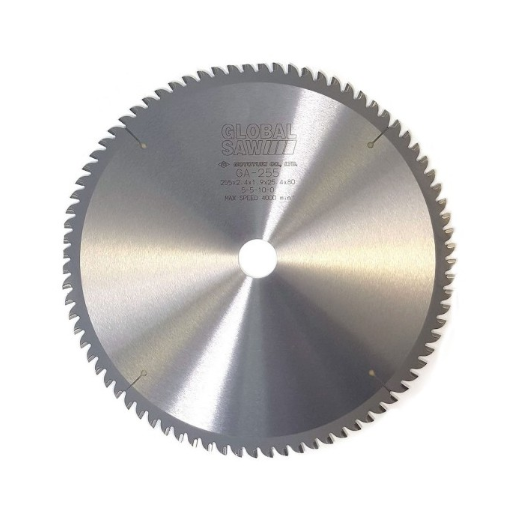
High tooth carbide tipped saw blades are the most effective tools for cutting aluminum. These blades often feature a Triple Chip Grind (TCG) tooth design, which minimizes burrs and enables precise and smooth cuts. Furthermore, their hardened teeth allow them to cut through aluminum without overheating the blade. Ensuring the blade is labeled with non-ferrous metals is essential to avoid any safety risks.
Carbide Blades vs. Regular Metal Cutting Blades
However, when comparing blades, I notice that carbide cutting blades outperform regular metal cutting blades because of their superior durability and precision. Blades specifically designed for non-ferrous metals, such as aluminum, have a high tooth count and TCG technology that reduces burrs on the cut surface. Regular metal cutting blades do not operate as effectively on softer metals and tend to wear out faster. Blades designed for non-ferrous metals withstand heat better than others, allowing them to be precise while maintaining reliability.
Understanding Tooth Count and Blade Design for Aluminum
When cutting aluminum, choose the right blade for high precision and a smooth edge finish. Non-ferrous metals like aluminum are usually best cut using 10-inch blades with a tooth count of 80 to 100. Higher tooth count blades are preferred because they minimize vibration, tearing, and chipping while ensuring smoother edges.
Aluminum, non-ferrous, or specialty blades come with TCG (Triple Chip Grind) geometry, which enhances precision and sharpness in a durable blade. The design consists of flat and chamfered teeth, reducing adhesive wear and material deformation during cuts.
A lower blade kerf of approximately 2.4mm and a positive or neutral rake angle also optimize the cutting experience, ensuring structural integrity while minimizing material loss.
Some key aspects of aluminum cutting blades include:
- Tooth Count: 80-100 teeth (10-inch blade)
- Blade Diameter: 10 inches or 250 mm, standard for many applications
- Kerf Width: Approximately 2.4mm for optimum cutting durability and efficient performance
- Rake Angle: Slightly positive (0° to +5°) or neutral
- Tooth Type: Triple Chip Grind (TCG)
- Blade Material: Hardened carbide due to high resistance to heat and prolonged wear.
It is a given that these blades will enhance cutting performance by adequately configuring the optimization parameters for the blades and maximizing tool life. This level of precision guarantees professional-grade outcomes. Following the best practices of proper maintenance, which involves consistent cleaning and sharpening, these precision tools are adjusted to maintain optimal cutting illustrative of efficient speed.
Can You Use a Wood Blade to Cut Aluminum?
Cutting aluminum with a wood blade is feasible, but it is not advisable without the proper precautions or alterations. Although aluminum is significantly softer than wood, standard wood blades can still face excessive wear, leading to inferior cutting quality and decreased durability. A carbide-tipped wood blade with proper tooth count and angle will suffice for infrequent, less demanding work.
Key Considerations for Using a Wood Blade on Aluminum:
- Tooth Count: The border requires a minimum of 60 teeth per inch for flawless cuts.
- Blade Material: The blade should be fitted with a carbide tip because it can better withstand the cutting heat and metal’s hardness.
- Rake Angle: The rake angle must be negative or neutral, slightly shifting to avoid aggressive material grabbing and assist in smooth cutting.
- Feed Rate: The rate should be uniform and slow to prevent overheating and bindings.
- Lubrication: Using cutting care lubes or wax decreases friction and increases heat and blade damage risk.
Select a blade designed for aluminum cutting instead of wood blades for maximum efficiency. These non-ferrous metal blades last longer and better withstand aluminum’s unique parameters. Remember to wear protective equipment and firmly hold the workpiece in place to avoid movement during cutting.
What Safety Precautions Do I Need to Take When Cutting Aluminum?
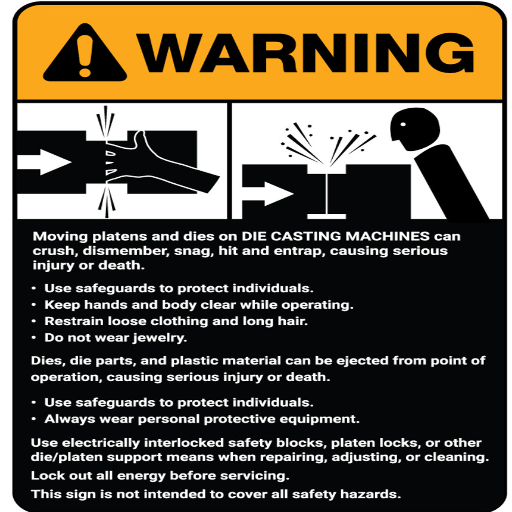
When it comes to cutting metals like aluminum, the first consideration ought to be your safety and how to prevent any possible injury. Wearing all the relevant PPE, including goggles, gloves, and masks, is advisable. Double check your cutting tool as well, make sure it’s working and is meant for metal cutting. The aluminum workpiece should be clamped in place to prevent movement and kickback. Work in a clean space to limit exposure to dust or fumes. Above all, adhere to the manual instructions for the tools and machinery to avoid damage and ensure safe operations.
Essential Safety Gear: Goggles, Face Shield, and More
I value face and eye protection the most, as well as all the safety equipment I have. I use impact-resistant goggles and a face shield to protect me from flying debris and other harmful elements. I wear task-appropriate gloves to prevent my hands from being injured by sharp edges and heat. Hearing protection is necessary to protect my ears from loud sounds and noises machines produce. Moreover, wearing long sleeves or an apron helps me stay protected while working. The materials I choose to wear are metalwork-specific and pre-approved. I can perform my job without worrying about sustaining injuries with these measures.
How to Properly Secure the Aluminum Workpiece
Properly securing an aluminum workpiece is essential for safety and cutting precision. First, employ an appropriate clamping device, such as a vise, C-clamps, or even custom-made soft-jaw clamps that won’t damage the material. Confirm that the workpiece is adequately cleaned, as any fragments on the surface may interfere with stability. Place the aluminum on a flat, steady surface parallel to and in line with the cutting or machining tool for accurate placement.
Tighten the clamps to prevent distortion of the soft aluminum. Wood or MDF is used as backing material for frail aluminum sheets to support thin materials and avoid bending or warping during machining. While drilling or cutting, ensure that the aluminum is securely in place, checking periodically to ensure no movement as the work progresses.
Some aspects to consider are the type of aluminum, such as 6061 or 5052 alloys, and its thickness. Do not forget to alter the forcing clamping pressure to avoid overtightening softer alloys. For added security, it is highly recommended that users of precision equipment like milling machines, T-slot tables, or precision fixtures do so. Following these recommendations will guarantee proper setup while reducing error contribution and risk exposure.
The Importance of Cutting Slowly and Using Lubricant
Maintaining a precise and clean cut when dealing with aluminum requires the application of the correct lubricant in combination with a slow-cutting technique. My experience cutting aluminum tells me that cutting at lower speeds allows finer control over the machining processes. Therefore, the possibility of tool chatter and tearing over softer alloys such as 5052 is highly mitigated. Laps, including cutting oil and proprietary aluminum coolants, restrain heat produced and material build-up on the cutting tool. Primary issues include restricting feed rates to around 0.05 to 0.15 mm per tooth for milling and confirming appropriate spindle speeds, generally 3000 to 6000 RPM for softer grades, are met. This prolongs tool life while ensuring error-free, high-quality cuts.
How Do I Get Clean, Straight Cuts in Aluminum Angle?
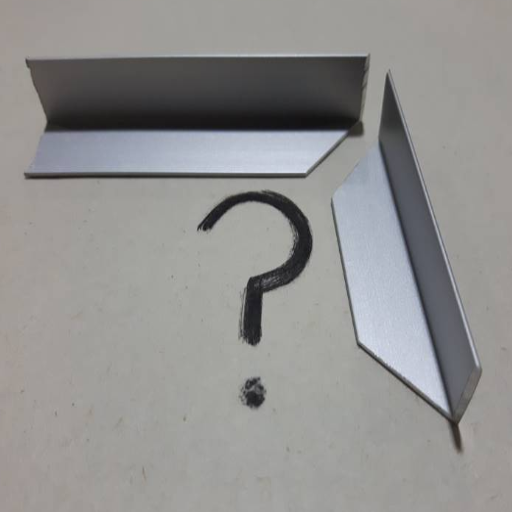
When making clean, straight cuts on an aluminum angle, a sharp carbide-tipped blade that cuts non-ferrous metals should be used. Additionally, the blade’s speed should be regulated to maintain its cutting effectiveness on aluminum. It is also essential to firmly secure the workpiece to avoid movement during cutting and to mark the cut lines for precision. Lubricating to decrease heat needs to be used to avoid heady and material buildup on the blade. Finally, smooth feeding motions during cutting should be adopted to prevent rough edges on the workpiece.
Setting Up Jigs for Precise Aluminum Angle Cuts
I ensure that a stable, well-aligned jig is in position to make precise cuts on an aluminum angle. As the first step, I select a jig corresponding to the piece’s size and angle and clamp it to my workbench to keep it immobile. It is also essential to align cutting lines with the blade path and double-check measurements before proceeding. Smooth and precise cuts can be achieved with a miter or table saw, enabling consistent angles.
Tips for Cutting Aluminum Without Burrs or Rough Edges
To prevent unwanted burrs or rough edges when cutting aluminum, I use a carbide-tipped blade meant for non-ferrous metals with an appropriately sized tooth count burning that ranges from 60 to 80 teeth for finer cuts. Furthermore, I firmly clamp the aluminum piece to eliminate vibrations that could create rough edges. I also use cutting lubricants or wax to enhance the cut’s quality, which reduces friction and slack in the cutting process and helps mitigate chipping and uneven edges. Finally, I use fine-grit sandpaper or a deburring tool to clear up any remaining imperfections and ensure the cut is properly cleaned and polished.
What Common Mistakes Should I Avoid When Cutting Aluminum Channel?

When cutting an aluminum channel, some common errors can easily be avoided. One of the common mistakes is not using the correct blade. In cases where the wrong blade is used, the material can be damaged, or the cuts can be rough. Blades designed for non-ferrous metals should always be used, with a preference for carbide-tipped blades. Another mistake involves not securing the aluminum properly, resulting in vibration. This movement leads to imprecision and rough edges on the aluminum. Cutting at a consistent speed is also crucial, as cutting too quickly can lead to chipping and overheating. Additionally, cutting lubricants should be used as failing to use them adds friction and reduces the quality of the cuts. The final mistake that novices and experienced aluminum engineers make is to neglect the sanding and deburring of the piece, as this gives sharp, unrefined edges that can affect the piece’s quality.
Why Blade Selection Matters for Different Aluminum Thicknesses
When I choose a blade for cutting aluminum, the thickness of the material is one of the primary factors I examine because it affects the quality and safety of the cut. I selected a fine-toothed blade with a higher tooth count and thin aluminum sheets because it helps achieve smooth edges and decreases tearing. Finer, thin blades, while useful for thin sheets, do not work well for thicker aluminum. Thicker aluminum requires a blade with fewer teeth but larger ones to cut efficiently without overheating. The blade chosen has to be sharp and smooth; otherwise, the aluminum risks damage, leading to quick dulling and possibly dangerous kickbacks. Whatever type I choose, I always aim to ensure a finish within industry standards.
Preventing Aluminum from Binding or Warping During Cuts
I take several steps to prevent aluminum from fusing or warping during particular cuts. Firstly, I must ensure the aluminum binding does not vibrate, so I use clamps to hold it firmly. Also, the blade used is sharp and suitable for the work at hand, with the preferred blade being a carbide-tipped one suited for non-ferrous metals. A steady feed rate has to be maintained, which in this case is moderate, as forcing the blade too fast results in overheating and warping. The risk of bending increases for thin aluminum sheets, so I use backing boards to help stabilize the material. To achieve clean cuts, my saw must operate under the correct RPM guidelines, which are 3,000 to 6,000 RPM for aluminum and stirred blade specifications. To further enhance the process, I use lubricating solutions such as cutting oil, which assists in lowering friction and eliminating dangerous heat, making the process safer.
Are There Special Techniques for Cutting Complex Aluminum Extrusions?
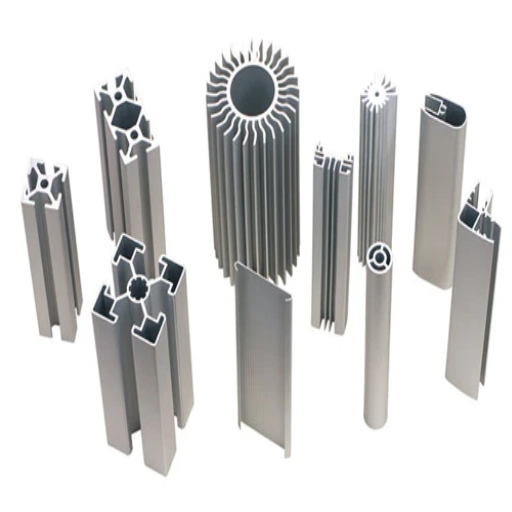
Of course, cutting intricate aluminum extrusions uses techniques that guarantee accuracy and prevent damage to the material. A miter saw with a fine-toothed carbide blade works well for complex cuts. It is essential to take particular care in clamping the extrusion so that it does not shift during the cut, particularly for complex profiles; extrusions of lower complexity can afford some slack. When using a slower feed rate, greater detail can be preserved without slack, particularly for finer information. Using jigs or other specialized tools can significantly improve precision, especially when dealing with more complex angled or curved cuts. The heat generated by the cut can hinder smooth results, so applying cutting lubricant can significantly benefit.
Cutting Techniques for Non-Standard Aluminum Profiles
A combination of specialized tools and tailored methodologies is necessary to address distinct configurations or dimensions in cutting non-standard aluminum profiles. Following are some essential techniques that can help achieve the desired results:
- Choose the Right Blade
For best results concerning the cut surfaces and reduction of burrs, blades with higher tip counts should be used. Specifically, a carbide-tipped blade with 80 teeth or more will do. Blades with negative rake angles should be used to preserve delicate profiles further.
- Secure the Material
The aluminum profile must be clamped spatially during the cutting procedure to avoid moving. Use V-blocks or other workholding fixtures to ensure material support without damaging fine details for more custom jigs and complex cut shapes.
- Control Feed Rate
When cutting, slower and more consistent feed rates must be used to prevent deformation on thinner walls or more intricate sections. Sudden force or high-speed cutting will most likely result in chipping, cracking, or the creation of undesirable rough edges.
- Lubrication and Cooling
Lubricant or cutting oil application is an effective means of reducing tool wear, heat dissipation, and surface finishing improvement. For some operations, using coolant-fed saws or mist systems improves the effectiveness of longer cuts.
- Precision Equipment
Specialized equipment like CNC or cold saws should be acquired for more complex profiles requiring tighter tolerances. More advanced machines are better for angled or curved cuts, as they have more rigid and accurate systems. Generally, within the range of ±0.5 mm, high-grade tools can maintain these tolerances.
- Deburring and Finishing
Removal of burrs after cuts should be conducted using an assemblable deburring tool or a sanding block to improve the safety of the aluminum profile while also increasing the accuracy of the assembly. For aesthetic purposes, anodizing and polishing can be done post-cut for robotically operated robotic arms.
Following these guidelines will result in precise clean cuts on non-standard aluminum profiles while striving to minimize material waste and maintain the material’s structural integrity.
How to Handle Long Aluminum Channel Cuts
Whether it’s long or short cuts on aluminum channels, precision, and stability are my primary concern. First, I try to secure the aluminum channel with clamps or a proper fixture so the channel does not move during cutting. I use a miter or band saw with non-ferrous metal cutting blades, achieving remarkable results. Coolant application also enhances the outcome by limiting heat and blade damage. Lastly, I use adjustable roller stands or saw horses for added support. I maintain a constant feed rate with more extended channels to get straight cuts without warping. I retain a cutting speed of 1-1500 sfm when working with carbide-tipped blades. After the cutting, I take my time to sand and deburr the cuts for the finishing touches.
References
Frequently Asked Questions (FAQ)
Q: What is the best way to cut aluminum angle and channel?
A: The best way to cut aluminum angles and channels is to use a saw with a non-ferrous metal blade designed for aluminum. This ensures clean-cut edges and reduces the risk of damaging the material.
Q: Can I use a chop saw to cut aluminum?
A: A chop saw can be used to cut aluminum if equipped with a blade designed for cutting non-ferrous metals. This saw type provides precise cuts and is an effective tool for aluminum projects.
Q: What type of saw blade is best for cutting aluminum?
A: A fine tooth blade or a blade made specifically for non-ferrous metals is best for cutting aluminum. These blades reduce the risk of chipping and provide a smoother finish.
Q: Is it safe to use a circular saw to cut aluminum?
A: Yes, using a circular saw to cut aluminum is safe if you use a blade designed for this purpose and wear appropriate safety gear, such as safety goggles, to protect your eyes from aluminum chips.
Q: Do I need any special safety equipment when cutting aluminum?
A: When cutting aluminum, it is essential to wear safety goggles to protect your eyes from flying debris and ensure the workspace is well-ventilated to avoid inhaling any dust or fumes.
Q: Can I use a jigsaw to cut aluminum?
A: A jigsaw can cut aluminum, particularly intricate or curved shapes. To achieve the best results, use a blade designed for metal cutting.
Q: How does the thickness of aluminum affect how I cut it?
A: The thickness of the aluminum will determine the blade type and power tools needed. Thicker aluminum may require a more powerful saw or a blade with a higher tooth count to ensure a clean cut.
Q: What are some common mistakes to avoid when cutting aluminum?
A: Common mistakes include using a wood cutting blade instead of a metal cutting blade, not securing the material properly, and neglecting to wear safety equipment like safety glasses.
Q: Why is it essential to use a blade designed for cutting aluminum?
A: Using a blade designed for cutting aluminum is essential because it reduces the risk of the blade binding or causing rough edges and ensures a smoother, more precise cut.
Q: Is there an easy way to cut aluminum if I don’t have power tools?
A: If power tools are unavailable, a hacksaw with a blade designed for metal can be used to cut aluminum, though it may require more effort and time than power tools.


