
Alloy selection, as with any other structural material, impacts performance, cost efficiency, and durability. Toughness and versatility render 6061-T6 aluminum and steel the most popular materials for I beams. However, all options must be evaluated for their distinguishing features, possible applications, advantages, and disadvantages to better design scoped solutions for your project. This post will examine the key differences between 6061-T6 aluminum I beams and steel beams, weighing parameters such as corrosion resistance, cost, and, most importantly, overall value through weight and strength. After this post, you will fully understand the nuances of these structural alloys and refine your selection for proper engineering or construction tasks.
What Are The Key Differences Between 6061-T6 Aluminum I Beam and Steel Beam?
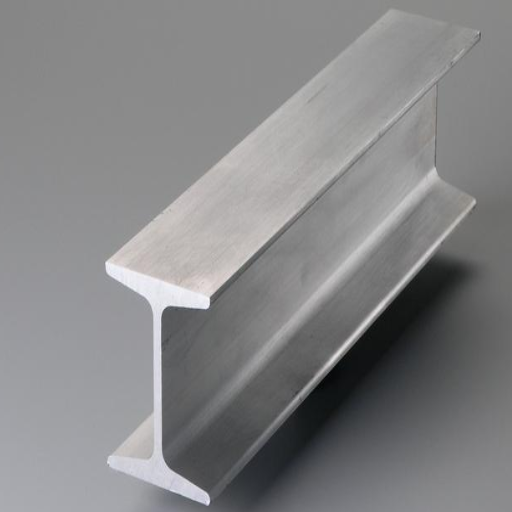
Weight
The weights of 6061-T6 aluminum I and steel beams are markedly different. Because they are lighter than steel, 6061-T6 aluminum I beams are ideal for projects sensitive to weight issues. On the other hand, steel beams are sturdier because of their greater density and weight. However, this may lead to increased transport and set-up costs.
Strength
Steel beams dominate yield and tensile strength. However, 6061-T6 aluminum provides a balance between strength and lightness. Steel beams will be the go-to option if the application is highly load-bearing. That said, unlike its name, 6061-T6 aluminum provides ample strength for numerous structural engineering applications without significantly increasing weight.
Corrosion Resistance
Regarding corrosion resistance, 6061-T6 outperforms steel beams, which, without a protective coating, are more susceptible to rusting. Steel beams coated with protective elements claim additional corrosion resistance for moisture-influencing environments. Rust, when untreated, shortens structures’ lifespan, leading to the need for advanced maintenance.
Cost-Effectiveness
Even though the initial cost associated with steel beams tends to be lower, the 6061-T6 aluminum I beams might have a more advantageous long-term cost due to their shipping and operational expenses incurred from their lightweight structure. Furthermore, the corrosion resistance of aluminum I beams lowers maintenance and replacement expenses during the project lifespan.
Applications
The 6061-T6 aluminum I beams are most useful in the automotive, aerospace, and marine fields, where corrosion resistance, lightweight, and ease of handling are required. Steel beams are most appropriate for construction and heavy industrial work, where high endurance, strength, and the ability to lift heavy weights are needed.
Understanding Yield Strength and Load Capacity Differences
Differentiating the yield strength and load-bearing capacity of beams made from 6061-T6 aluminum and steel based on their material traits is relatively straightforward. As per my findings, the yield strength of 6061-T6 aluminum is approximately 35,000 psi, which is moderately strong and relatively flexible compared to steel. Steel usually has significantly greater yield strength depending on its grade, often exceeding 50,000 psi. This increase in yield strength enables steel beams to support greater loads and sustain additional stress with no permanent deformation. On the other hand, the low density of aluminum means it is more favorable relative to other materials for scenarios where weight is critical, even though some load-bearing capacity is sacrificed. Ultimately, these decisions are made based on the structural requirements and limits of the project.
Comparing Weight: Why Aluminum I-Beam Is Lightweight
Due to aluminum having a density of around (2.7 \frac{g}{cm^3}) compared to steel’s density of (7.85 \frac{g}{cm^3}), aluminum I-beams have a significantly lower weight in comparison to steel ones. This results in aluminum weighing roughly one-third of the weight of steel of equal volume. Considering its strength-to-weight ratio, aluminum is best suited for aerospace, automotive, and transportation projects where weight is critical.
- Density:
-
-
- Aluminum: ~2.7 g/cm³
- Steel: ~7.85 g/cm³
-
- Strength-to-Weight Ratio:
-
-
- Aluminum has a higher strength-to-weight ratio than steel, making structures lighter without compromising performance.
-
- Corrosion Resistance:
-
-
- Due to its oxide layer, aluminum is naturally corrosion-resistant, reducing the need for extra coatings on steel.
-
- Applications:
-
-
- Aluminum I-beams are widely used in constructing lightweight bridges, decks, and equipment where weight reduction is essential.
-
Considering the above, it is clear that aluminum’s low weight makes it practical in applications where mass, cost of transportation, and material efficiency are crucial. However, one must keep in mind that aluminum’s yield strength is lower than steel’s to ensure proper structural integrity.
Corrosion Resistance: Aluminum vs Steel in Various Environments
In many environments, aluminum is more corrosion-resistant than steel due to its natural oxide layer, which protects against further degradation. For instance, aluminum does well in marine or coastal applications because its oxide layer protects against saltwater degradation. On the other hand, steel, specifically carbon steel, is susceptible to rust formation unless protected with coatings or galvanizing. However, stainless steel has better corrosive resistance than carbon steel due to the passive protective layer offered by the chromium content.
Key aspects to consider:
- The aluminum oxide layer, an effective barrier, forms within moisture, and air can reach thicknesses beyond 2 to 3 nm.
- The stainless steel armamentarium must offer chromium content on an alloy basis, which provides corrosion resistance.
- Seawater becomes less threatening to marine-grade aluminum alloys like 5052 and 6061 in a corrosive environment. These alloys display exceptional resistance to saltwater corrosion.
- Steel’s corrosion rate when exposed to unprotected environments is typically, though not exclusively, 1 mm per annum, and it is reliant upon humidity and aggressive elements.
If severely stressed mechanically, stainless steel material becomes ideal, making aluminum less favorable when subjected to certain chemicals prone to puncturing aluminum’s oxide barrier.
How Do The Mechanical Properties of 6061-T6 Aluminum Beams Compare to Steel?

The 6061-T6 aluminum beam has a high strength-to-weight ratio, making it appealing for structures where weight reduction is essential. These aluminum beams are also structurally strong, weighing about one-third of the steel bars. On the other hand, steel beams demonstrate greater ultimate strength and stiffness, making them appropriate for heavier and longer projects. Moreover, aluminum is more susceptible to deformation under sustained stress, known as creep, than steel. Ultimately, the decision between using 6061-T6 aluminum or steel aluminum depends on the application’s specific needs, including, but not limited to, restrictions on weight, the amount of load the material can fulfill, and other environmental considerations.
Analyzing Deflection and Modulus Differences
I noted a few factors while considering the critical aspects of deflection and modulus concerning 6061-T6 aluminum and steel. First, it is known that steel has a higher modulus of elasticity when compared to 6061-T6 aluminum so that it will deform less under a given load. This is very important for applications that are sensitive to deflection. Second, although 6061-T6 aluminum is very advantageous in weight, it will generally deflect more under identical conditions because of its lower stiffness. Lastly, the individual characteristics of a specific project, for example, how important the weight is and how much deflection is allowed, will determine if the reduced weight of aluminum is more advantageous than the rigidity of steel. Each material has strengths, and the choice depends on balancing these attributes with the intended use.
Understanding Structural Aluminum’s Strength vs Steel
Like any other construction material, structural steel and aluminum need to be compared in terms of specific characteristics that will be decisive for the project. Here are the summary answers based on significant references:
- Strength-to-Weight Ratio
When it comes to strength-to-weight ratio, aluminum dominates. Unlike aluminum alloys with tensile strength in the 70-700 MPa range, steel has much higher absolute strength, with most structural steel grades falling within 400-550 MPa. However, aluminum’s density, approximately 2.7 g/cm3, gives aluminum an edge for applications where weight, not strength, is crucial.
- Corrosion Resistance
Aluminum can spontaneously form an oxide layer that protects against corrosion, especially outdoors or in a marine environment. On the other hand, steel must be protected from moisture and air using paints or galvanization.
- Deflection and Rigidity
Aluminum is less stiff than steel, with the modulus of elasticity set at 69 GPa, while steel sets at roughly 200 GPa. Steel’s ability to withstand abrasive loads makes it practical for rigid applications where deflection needs to be controlled.
- Weldability and Fabrication
Welding aluminum is significantly more challenging due to its high thermal conductivity and being prone to cracking without significant preparation. In comparison, steel is relatively easy to weld and fabricate, making it useful for many construction projects.
- Cost and Availability
Compared to aluminum, steel is generally cheaper and more readily available. However, aluminum can offer better value during the product’s lifespan in projects that require weight reduction or long-term durability in harsh environments.
The Safety Factor Considerations When Choosing Between The Two Beams
In making safety comparisons between aluminum and steel beams, I first need to identify the application requirements and the load capacity. Steel beams have higher tensile and yield strengths, with structural-grade steel ranging for these values between 250 MPa to 550 MPa, making them suitable for heavy-load applications. On the other hand, aluminum has a density of roughly 2.7 g/cm³ compared to steel’s 7.85 g/cm³, which gives it a lighter weight. However, aluminum’s strength is comparatively lower, with yield strength values of roughly 200 MPa for alloys like 6061-T6. Nonetheless, aluminum may be safer in some environments like coastal or marine projects due to its superb corrosion resistance and flexing ability under stress. In conclusion, the beam material is chosen based on thoroughly considering the particular load, environmental factors, and the structure’s expected lifespan.
Which Applications Are Best Suited for Aluminum I-Beam vs. Steel Beam?

Aluminum I-beams are most appropriate for weight-minimization applications, such as aerospace engineering, transportation, or lightweight architectural designs. Their corrosion resistance makes them suitable for exposure to marine environments or high-humidity regions. In contrast, steel beams are superior in applications requiring high strength and rigidity, such as in the construction of skyscrapers, industrial projects, or situations with high-weight loads. The selection between the two is frequently based on the performance requirements, environment, or available budget.
When Aluminum Would Be The Preferred Structural Choice
For structural applications, aluminum’s characteristics, such as being lightweight and highly corrosion resistant, would be my primary reason for choosing it. It’s ideal for situations where minimizing weight is essential, like aerospace, automotive, and modular construction. Moreover, its natural corrosion resistance makes it suitable for structures in humid or marine environments, which minimizes maintenance in the long run. Furthermore, aluminum is easily workable, allowing for intricate detailing, which is ideal for modern architectural projects. Most importantly, the design does not have to suffer because of performance requirements, as aluminum’s recyclability meets sustainability goals.
Applications Where Steel Beam’s Strength Is Required
Steel beams are critical to construction and engineering projects that require exceptional strength and withstand substantial physical stress. They have an unmatched load-bearing capacity for heavy structures like bridges, skyscrapers, and industrial buildings. Applications include:
- High-Rise Buildings
Steel beams are the infrastructure of skyscrapers, enabling them to cope with the wind and earthquakes due to high tensile and compressive forces.
- Bridges
Steel beams are effective in truss and suspension bridges and box girder designs because of their high resistance to significant loads and deformation. Bridges are susceptible to heavy traffic and other environmental factors, which lead to dynamic forces, and steel beams such as these are effective.
- Industrial Structures
Steel beams must be used in the frameworks of factories, warehouses, and power plants due to the heavy vibrations machinery undergoes, thermal expansion, and the weight of storage equipment.
- Infrastructure Projects
Steel beams are essential in maintaining the structure of tunnels and railway systems as they can withstand immense stress while retaining flexibility.
- Yield Strength: 36,000 psi (Grade A36) to 50,000 psi (Grade A992), meaning the beams are bound to be reliable in load-bearing tasks.
- Density: 7,850 kg/m3, making the steel beams remarkably strong yet lightweight.
- Tensile Strength: Any given grade of steel can withstand the pulling forces between 400 MPa and 600 MPa, bursting its limits.
- Corrosion Resistance: Although steel is prone to rust, specific treatments such as galvanization or weathering steel Corten can improve its durability.
- Elastic Modulus: Steel also offers rigid structural support with an elasticity modulus of approximately 200 GPa, significantly aiding construction stability.
With all these properties combined, it is clear to see why steel beams are and will be essential to sustaining robust and durable infrastructure.
Using Aluminum I-Beams in Hoist and Lifting Systems
The impressive strength-to-weight ratio makes Aluminum I-beams perfect for hoisting or lifting systems. Withstanding loads with minimal flexure or deformation compared to everyday structural materials, aluminum has a superior strength, which means it is significantly lighter than steel. The primary advantage is that this reduces the entire structure’s weight and eases handling while maintaining structural durability. Moreover, the good corrosion resistance of aluminum means fewer extra applications in sheltered and non-volatile weather environments outdoors.
It is known that, depending on the alloy used, quite a common one like 6061-T6, Aluminum I-beams have a tensile strength of approximately 190 MPa to 310 MPa. Further, their elastic modulus is somewhere around 69 Gpa. While this is below steel’s, it is still adequate for many lifting scenarios when the design, as always, is placed in primary focus. This set of attributes enables them to support loads and is still handy for ease of installation and transport. This makes aluminum an exceptionally adaptable material for hoist and lifting systems that prioritize these functions.
How Do Fabrication Methods Differ Between Aluminum and Steel Beams?
The construction methods of aluminum and steel beams differ because of the distinctive properties of their materials. Aluminum can be soft, making cutting, machining, or welding more straightforward. However, specialized welding, such as TIG welding, must be done to prevent contamination and cracking. Steel is much more complex and durable, and powerful tools are required to maintain precision. Steel is also more energy-intensive than aluminum since it requires more heat for welding and cutting. Aluminum’s lower melting point means welding and cutting are less demanding. Also, aluminum undergoes anodizing to resist corrosion, while steel beams require galvanization or coatings to prevent rust. These differences underscore the choice of material depending on the project needs and the fabrication complexity.
Welding Considerations for 6061-T6 Aluminum vs Steel
While analyzing the welding of 6061- T6 aluminum and welding steel, each type depends on project requirements. In my research and experience, the cracking issues in welding 6061-T6 aluminum are more sensitive to heat and need to be TIG welded. Aluminum requires precision during the weld. On the other hand, steel is more challenging and heat resistant so that it can be welded with MIG welding. More potent tools and equipment are also needed due to the higher melting point. For corrosion prevention, aluminum needs anodizing, while steel requires galvanization or protective coatings. In the end, material selection is guided by environmental exposure, complexity of fabrication, and required durability.
Cross-Section and Flange Design Differences
In comparison with the cross-section and flange design for aluminum and steel, several factors are undisputed to consider. These factors include application requirements, material strength, and weight. The factors above are proprietary to 6061 T6 aluminum as they supply higher strength to their lower weight. The cross-section of flanged aluminum is often thicker than steel due to the lower modulus of elasticity, which makes it bend readily. Steel is far superior in strength and stiffness, resulting in thinner and simpler flange designs for most cases.
- Material Strength:
-
-
- Tensile strength of Aluminum 6061-T6: ~290 MPa (42,000 psi)
- Tensile strength of Steel (for instance, A36 structural steel): ~400-550 MPa (58,000-80,000 psi)
-
- Weight:
-
-
- Aluminum density: ~2.70 g/cm³
- Steel density: ~7.85 g/cm³
-
- Modulus of Elasticity:
-
-
- Aluminum 6061-T6: ~68.9 GPa (10,000 ksi)
- Steel (A36): ~200 GPa (29,000 ksi)
-
- Corrosion Resistance:
-
-
- Aluminum does much better in corrosive environments, but anodization may be needed.
- Steel usually requires galvanization or other coatings to achieve similar comparability.
-
- Weldability:
-
-
- Precision TIG welding is needed for Aluminum 6061-T6 due to the cracking issues.
- Steel welding techniques such as MIG and stick welding are generally more tolerant.
-
Due to its superior strength, steel is mainly used for flanges, with load-bearing considerations. It is currently accepted as A36. Aluminum is best for applications with rigid expectations for lightweight, like the aerospace or auto industries. Considering these design parameters helps ensure that diverse project requirements are met from performance and practicality perspectives.
What Are The Cost Implications of Choosing Between Aluminum and Steel Beams?
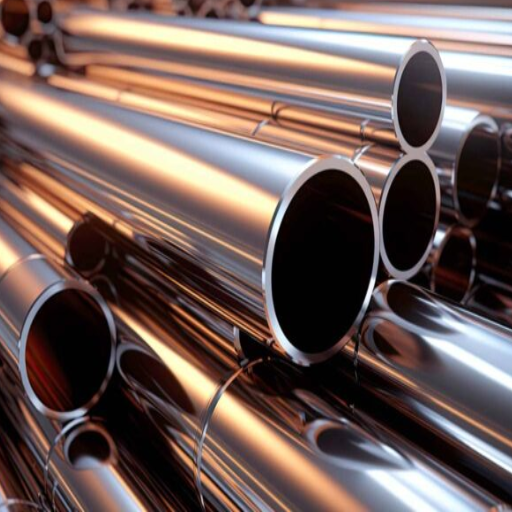
The cost considerations related to the choice between aluminum and steel beams consider the price of the material, fabrication, and even lifecycle costs. Compared to steel, aluminum is more costly for every unit of weight. However, the lighter weight can also lower handling and transportation costs, which might sometimes offset the price difference. Steel is more economical in the case of structures that require high-strength materials which can withstand heavy loads. Aluminum is also more economical for maintenance; steel structures need expensive coatings or galvanization over time. Ultimately, the decision must consider the performance and application requirements, maintenance, and longevity.
Initial Investment: Comparing Material Costs
When estimating the costs for an initial investment, such as construction projects, I analyze aluminum and steel prices. Aluminum has a high material cost per weight, but if aluminum’s other characteristics are considered for specific projects, expenses for transportation and handling can be reduced. Steel is more logical with its price per unit for large-scale, high-strength structures due to its excellent durability. I examine the project’s specific requirements and how other regions, such as materials, supplements, transport, and maintenance expenditure, impact the overall cost.
Long-Term Value: Maintenance and Lifespan Considerations
Regarding long-term value assessment, aluminum and steel have particular merits and demerits. Aluminum can sustain severe corrosion and often requires little maintenance throughout its lifetime. This alloy is well-suited for use in harsh environments such as coastal or industrial regions. Moreover, upkeep costs are reduced since aluminum does not need treatment like the galvanization process. On the other hand, while steel is less corrosion-resistant, it can enjoy prolonged service life through protective coatings or galvanizing. Steel also necessitates routine maintenance such as checking and resurfacing, which helps reduce rust’s impacts.
From a lifespan perspective, uncoated or lightly coated aluminum tends to outperform steel in more aggressive environments where it can sustain structural integrity for long periods. However, high-grade treated steel performs exceptionally well, and aluminum comes into competition with aluminum in less aggressive environments.
- Corrosion Resistance: Aluminum possesses a natural oxide film that defends it against corrosion, while steel has to rely on galvanizing or other coatings to achieve the same results.
- Tensile Strength: Steel boasts a tensile strength in the range of 400 – 550 MPa, significantly more potent than aluminum, whose alloy depends on the grade and sits between 150 – 300 Mpa.
- Density and Weight: As far as weight is concerned, aluminum is the best, at 2.7 g/cm3. This is significantly lower than steel, which is around 7.85 g/cm3, giving it an edge in projects that require lightweight materials.
- Maintenance Requirements: While aluminum often needs little upkeep, it is a maintenance consideration when steel requires periodic checks and protective coat reappliances.
- Lifespan (treated): Well-maintained coated steel can last between 15-25 years, while aluminum structures easily exceed 30 years in lifespan.
Ultimately, the best choice depends on particular project needs, suitable environment, and periodic and maintenance costs throughout an asset’s lifecycle.
Weight Savings and Transportation Cost Benefits
Aluminum’s lower weight results in lower construction and trans-shipment costs and enhanced operational efficiency. Its lower density (2.7 g/cm³ compared to steel’s 7.85 g/cm³) makes aluminum an asset in constructing vehicles or other structures by improving fuel economy and decreasing the energy needed during transport. For instance, a 10% weight reduction in automotive applications translates into 6–8% fuel economy improvements. Furthermore, lighter materials, such as aluminum, enhance transport equipment’s performance, lifespan, and reliability by reducing wear and strain sustained during usage. These benefits are not equal for all projects, as they depend on project details, such as travel distance, payload, and material amounts; however, the lower weight of aluminum, when compared to steel, provides a strong economic stance in most cases.
References
Frequently Asked Questions (FAQ)
Q: What makes the 6061 T6 aluminum alloy ideal for beam construction compared to steel?
A: The 6061 T6 aluminum alloy is preferred for beam construction in many applications due to its excellent strength-to-weight ratio. While steel is stronger on an absolute basis, 6061-T6 extruded aluminum is approximately one-third the weight of steel with about 70% of steel’s strength. This makes it ideal for applications where weight is a critical factor. Additionally, aluminum offers superior corrosion resistance, making it suitable for interior and exterior applications without requiring protective coatings. Many designers choose aluminum beams when the material properties of lightweight construction outweigh the need for maximum strength.
Q: What are aluminum I beams called in industry terminology?
A: In industry terminology, aluminum I beams are commonly called American Standard beams (S-beams) or wide flange beams (W-beams), depending on their profile. The Aluminum Association sets the standards for these structural aluminum shapes. Unlike steel beams, which are rolled, most aluminum beams are extruded aluminum, giving them consistent dimensions and cross-section properties. Additionally, some engineers and suppliers may refer to them based on their cross-section as “I” or “H” shapes. When searching for these beams and structural components, you’ll often see them listed by their dimensional properties (height × width) followed by their alloy designation, such as “6061-T6 aluminum American Standard I beam.”
Q: How does the strength of a 6061 T6 aluminum beam compare to a similarly sized steel beam?
A: A 6061 T6 aluminum beam typically has about 35-40% of the strength of a comparable steel beam while weighing approximately one-third as much. Steel beams have higher material properties in terms of tensile strength, yield strength, and modulus of elasticity. For example, structural steel typically has a yield strength of 36,000-50,000 psi, while 6061-T6 aluminum has a yield strength of about 35,000 psi. However, aluminum performs much better when comparing the strength-to-weight ratio (specific strength). This means aluminum can be the superior choice in applications designed to span distances where weight is a critical factor despite its lower absolute strength.
Q: What are the key design differences between aluminum and steel beams?
A: Aluminum I beams differ from steel I beams in several key design aspects. Steel I beams typically have a tapered flange against the web, while aluminum beams often have uniform thickness throughout. Aluminum beams are usually extruded rather than hot-rolled (like steel), resulting in tighter tolerances and a smoother finish. In terms of cross-section, aluminum I beams might require larger dimensions to match the load-bearing capacity of steel. Additionally, aluminum beams often incorporate specific design features to maximize strength while minimizing weight, such as optimized section modulus. When working with aluminum American Standard I beams, engineers must account for aluminum’s different material properties, including its higher thermal expansion rate and lower modulus of elasticity.
Q: Can 6061 T6 aluminum beams be used for structural applications?
A: Yes, 6061 T6 aluminum beams can be used for structural applications, mainly where their lightweight nature provides advantages. These structural aluminum components are commonly used in applications like truck beds, trailers, sign structures, pedestrian bridges, and marine structures. The 6061-T6 heat treatment provides excellent strength while maintaining good corrosion resistance. However, engineers must design according to aluminum-specific structural codes (rather than steel codes) and consider factors like aluminum’s lower modulus of elasticity, which affects deflection calculations. While they may not replace steel in heavy load-bearing structures like large commercial buildings, 6061-T6 extruded aluminum beams offer excellent performance in many specialized structural applications.
Q: What applications are beam aluminum I beams best suited for?
A: Beam aluminum I beams are best suited for applications where weight savings, corrosion resistance, and ease of fabrication are priorities. They excel in transportation equipment (truck bodies, trailers, railcars), marine applications (boat frameworks, docks, gangways), aerospace structures, portable structures, architectural features, and machinery frames. The 6061-T6 alloy specifically works well for medium to high-strength applications where weldability and formability are needed. These beams are also popular when the structure is frequently moved or transported, as their lightweight nature reduces fuel consumption and increases payload capacity. Additionally, their non-magnetic properties make them valuable in electrical applications where steel might cause interference.
Q: How are aluminum beams with I-shaped cross-sections manufactured?
A: Aluminum I beams are primarily manufactured through extrusion, unlike steel I beams, which are typically hot-rolled. In the extrusion process, heated aluminum billets are forced through a die with the I-beam cross-section profile. This creates a continuous length of uniform 6061-T6 extruded aluminum with consistent dimensions. After extrusion, the beams undergo heat treatment to achieve the T6 temper, significantly improving strength. The extrusion process gives aluminum beams a smooth finish and tight dimensional tolerances. This manufacturing method differs considerably from steel beam production. It allows for more complex cross-sectional geometries, though it typically limits the maximum size of aluminum beams compared to their steel counterparts.


