
Galvanized steel is helpful in construction as it is strong and durable but requires special attention when painting. The surface of galvanized steel must be prepared in a certain way if paint adhesion is to be guaranteed. This guide will teach you everything necessary to achieve the best outcomes. From knowing why galvanized steel needs special treatment, the materials and tools you will need, and finally, the step-by-step process of painting, this post is everything you need. Whether dealing with a small do-it-yourself project or working on a larger-scale application, this ultimate guide is for you.
Why is Painting Galvanized Steel Important?

Steel is coated with zinc to prevent rusting, which helps prolong the material’s life. However, exposure to harsh environmental elements can degrade the zinc coating over time. Painting galvanized steel protects it from further corrosion and increases its durability. In addition, painting galvanized steel makes it visually appealing for various design applications without compromising structural integrity.
Understanding the Properties of Galvanized Steel
Galvanized steel is highly corrosion-resistant, durable, and versatile, making it quite popular in various applications. The zinc coating applied during the galvanization process protects against rusting agents like moisture and oxygen, including galvanic corrosion. The coating can range from 45 to 85 micrometers, with the most outstanding protection offered through hot dip galvanization.
Some notable technical properties of galvanized steel include:
- Corrosion Resistance: The zinc layer is known to self-sacrifice while protecting the steel through galvanic corrosion. Zinc mainly proves to be applicable against moderate industrial and marine environments.
- Thermal Resistance: Prolonged exposure to higher temperatures could peel the zinc layer; otherwise, the galvanized steel could withstand temperatures up to 392°F (200°C).
- Tensile Strength: The base steel yields the same structural integrity, with tensile ranges generally falling between 270 MPa and 550 MPa. However, this depends on the grade and procedure of the steel.
- Longevity: With proper maintenance, galvanized steel can last anywhere between 50 to 100 years in rural areas but only 20-30 years in industrial or marine conditions.
- Eco-Friendliness: Zinc is one of the few types of material that can be recycled, and its galvanization process is generally less harmful than that of other coatings.
Due to its protective attributes and versatility, galvanized steel continues to be a reasonably priced option in the construction, automotive, and agricultural industries. These qualities highlight the steel’s enduring usefulness for functional and aesthetic purposes.
The Role of Paint in Protecting Galvanized Surfaces
Galvanized steel can be further improved in corrosion resistance when painted, making it more appealing. The ventilation openings used during galvanizing allow for the penetration of moisture, solar radiation, and pollutant-laden air, which results in corrosion of the galvanic protective coat over time. When suitable paint is added, the zinc coating is protected, the galvanized steel’s durability is enhanced, and numerous colors can enhance appeal.
Key Benefits:
- Corrosion Resistance:
-
-
- Paint acts like a protective casing, inhibiting water and air from reaching the galvanized surface. This benefits galvanized steel in severely corrosive areas like coastal or industrial regions.
- Recommended Paints: Highly durable and practical paints include Epoxy Based and Urethane Coatings
-
- Adhesion:
-
-
- Preparation of the surface is necessary to ensure the paint properly adheres to the galvanized surface. This usually consists of cleaning and degreasing the surface and sometimes adding a primer for galvanizing surfaces.
- Adhesion Testing Parameter: The adhesion of paints is strongly bonded using the ASTM D3359 cross-hatch adhesion test.
-
- UV Protection:
-
-
- Some paints are made with UV protectors that help protect against the fading, chalking, or deterioration caused by the sun.
- Standards For Thickness: A recommended standard of dry film thickness of 2 to 3 mils (50–75 microns) is suggested.
-
- Customization and Aesthetic Appeal:
-
-
- Different paints have varying shades and finishes that can be used for other branding or tailored designs.
-
- Maintenance:
-
-
- Based on the surroundings, galvanized surfaces with paint may need some inspection and resurfacing. Routine maintenance enables the protective layer to last longer.
-
Utilizing galvanization and properly applied paint helps steel structures withstand even the most challenging conditions, significantly extending their lifespan. For more significant outcomes, always follow technical guidelines and manufacturer recommendations.
Common Challenges with Paint Adhesion
Based on my experience and research, issues with paint adhesion on galvanized surfaces tend to occur due to surface contamination, improper surface preparation, and wrong choice of paint. First, barriers are formed due to dirt, grease, or oils preventing adhesion; therefore, cleaning using proper degreasers is critical. Second, if profiles are not adequately etched, adhesion becomes problematic due to the smoothness of the zinc layer on galvanized steel—is usually light abrasion, or compatible primer. Lastly, using paints not designed for galvanized surfaces can be expected to peel or flake with time.
- Surface Preparation:
-
-
- For the requisite paint retention, the etching profile recommended for galvanization is 1-2 mils (25-50 microns).
- Cleansing criteria such as SSPC-SP1 (Solvent Cleaning) should be met.
-
- Primer Compatibility:
-
-
- Zinc-rich or epoxy primers compliant with ISO 12944 for corrosive environments can be used.
-
- Paint Selection:
-
-
- Select coatings labeled for galvanized steel for maximum adhesion and flexibility to movement and expansion.
-
These practices will significantly mitigate the challenges in adhesion, enabling the best results wherein durability and longevity are assured.
How to Properly Prepare Galvanized Surfaces for Painting?

- Clean the Surface:
-
-
- Use a degreaser or mild detergent to remove dirt, grease, and oil. Rinse thoroughly with water and let the item dry completely.
-
- Remove White Rust:
-
-
- Remove the white rust (zinc corrosion) using a stiff brush or abrasive pad, or lightly sand it down for a smooth finish.
-
- Apply a Mild Etching Solution:
-
-
- Use very weak acidic solutions such as vinegar to accomplish the light etching. This aids in the adhesion of paint to the galvanized layer.
-
- Rinse and Dry:
-
-
- The workpiece should be washed clean with no traces of cleaning or etching residue contaminates. Wait until the surface is appropriately dried before moving on.
-
- Prime the Surface:
-
-
- Using a high-quality primer meant for galvanized steel, apply zinc-rich or epoxy-based primer. Make sure to let it dry according to their instructions.
-
- Apply the Paint:
-
-
- The paint used must be highly conformable. Multiple thin layers are advisable for an even finish and durability.
-
Following these requirements guarantees a well-prepared galvanized surface, resulting in optimal adhesion while prolonging the life of the paint.
Cleaning the Galvanized Surface
I first remove any loose dirt and particles using a soft cloth or brush to clean a galvanized metal surface. Then, I wash the surface using mild detergent and warm water to remove any oil or grease residue. For the areas with white rust or oxidized surfaces, I scrub them with white vinegar or use a cleaner specific for galvanized metals to restore the area. After rinsing the surface with clean water, I dry it thoroughly, enabling me to prepare it for painting afterward.
Using Etch Primer for Better Adhesion
Etch primer is a coating intended to increase its bonded adhesion on a non-porous substrate such as stainless steel, aluminum, or galvanized metals. This is done by chemically etching the substrate surface, creating a mechanical bond on the metal interface of the paint layers. As stated above, to apply etch primer correctly, clean the grease, oil, or rust surface before application.
To ensure the highest quality results, follow these guidelines:
- Choose the Right Primer: Ensure the acid etch primer is suitable for the intended application and check whether it can bond with the finish paint you wish to use.
- Application: As with any coating, a spray gun or brush will provide uniform coverage. The application thickness should be 5–10 microns to obtain adhesion to a surface without being too thick.
- Drying Time: Recommended drying times are usually 15–30 minutes, but they need to be checked against the manufacturer’s recommendations. Do not overcoat before the primer is fully cured, as this leads to poor adhesion.
- Temperature and Conditions: For best results, the primer should be applied at an ambient temperature of 50°F–86°F (10°C–30°C) with low humidity.
Etch primers guarantee robust attachment, mainly where rough treatment is to be encountered or on metals likely to be subject to peeling or corrosion. Refer to the product’s technical data sheet to ensure application contours are met accurately.
Importance of Coating Removal Before Painting
Removing old coatings from a surface before painting is essential for achieving good adhesion and a consistent, durable finish. For example, I remove all loose, flaking, or peeling layers so new paint cannot crack or lift. Also, surface contaminants such as grease, oil, or rust must be removed to permit bonding. In the case of metals, primers tend to be more effective in working with a clean, bare surface, especially for etch primers designed to resist corrosion. Depending on the project, below are some aspects that I consider:
- Surface Preparation Method: Abrasive blasting and lower sanding grit, 80–120 for blasting and 180–220 for sandpaper.
- Cleaning Standard: ISO 8501-1 surface cleanliness standards, Sa2.5 for abrasive blasting.
- Moisture Check: It is less than 85%, and the dew point should be at least 5F (3C) lower than the surface temperature during prep.
These steps, among a few others, guarantee the best results from any painting project.
What Type of Paint Should You Use on Galvanized Metal?

Using the right paint on galvanized metal ensures maximum adhesion and lasting results, so I always choose paints made explicitly for galvanized surfaces. As such, I will opt for proprietary paints designed for galvanized metals, but latex and acrylic-based paints work exceptionally well. I always avoid oil or alkyd-based paints since those tend to worsen the condition of the zinc coating and promote flaking. To maximize the results, I ensure the metal surface is treated with a rounded primer that goes specifically on galvanized surfaces.
Choosing the Right Metal Paint
The most important qualities to consider when choosing paint for metal surfaces are durability and surface compatibility. These help prevent corrosion and ensure better adhesion. Regarding polymer-based paints, I use latex and acrylic for galvanized metals, as they provide better durability and adhesion. However, if I ever encounter paint that has oil or alkyd components, I tend to shy away. These can have harmful reactions to a zinc coating and lead to peeling. If I have any doubts, I always look for accompanying labels that explicitly state the paints are meant for use on galvanized surfaces.
Benefits of Acrylic Latex Paint on Galvanized Steel
Acrylic latex paint is the most recommended option for galvanized steel due to its adhesion, durability, paint flexibility, and other features. This waterborne paint will not lead to problems such as peeling or flame due to weak bonds on the zinc coating. Its protective qualities include zach vant ydea, ultraviolet rays, and temperature changes. Acrylic latex Paint also takes the lead over oil-based alternatives in speed of drying and reduction in emission of VOCs, making it better for the environment and safe for use indoors and outside.
- Adhesion Strength: Unique level of adhesion of zinc-coated surfaces with no additional sanding required in most cases.
- Drying Time: Acrylic is touch dry in 30 minutes to 1 hour and fully cures typically in 7 days; this does depend on the manufacturer.
- VOC Content: It tends to be lower than 50 g/L, which remains within eco-friendly limits set by the EPA or LEED.
- UV Resistance: Exceptional resistance to fading and chalking in prolonged harsh sunlight.
- Temperature Tolerance: Stands exposed to -20 F to 200 F. This differs by formulation.
As with all paints, for best results, prepare the surface appropriately by cleaning it and applying a high-grade primer geared toward galvanized steel. Then, follow the guidelines provided by the paint’s manufacturer for application.
Understanding Direct-to-Metal Paint Options
In determining my DTM options, I focus on the ease of application, the paint’s compatibility with the metal substrate, and the paint’s durability. DTM research suggests the most critical aspects are the adhesion strength, the corrosion resistance, and the weather conditions during and after the application.
- Adhesion Strength: The integrity of the metal surface to be coated must have strong bonding traits. This is often evaluated through tests like the ASTM D3359, which measures the coating’s ability to withstand lifecycle stresses.
- Corrosion Resistance: Consider using enhanced inhibitors or products based on their ASTM B117 salt spray testing performance. These products must be upgraded, particularly in humid or wet conditions.
- Environmental Tolerance:
-
-
- UV resistance tests with ASTM G154 for any outdoor exposed areas should confirm that fading will not occur.
- As the manufacturer prescribes, the temperature range scope for adaptability generally spans -20°F to 200°F.
-
When the paint guidance and DTM requirements are adhered to, including, but not limited to, thorough degreasing and surface texturing before painting, anticipated results can be achieved. DTM paints formulated for the specific environment will yield the best results while maintaining strength.
How to Apply Paint on Galvanized Steel for Best Results?

- Surface Preparation: Start by thoroughly cleaning the galvanized steel surface to ensure the removal of any dirt, grease, or contaminants. Apply a degreaser and rinse the surface with clean water. Sand or wire brush the surface lightly to improve adhesion.
- Primer Application (Optional): Apply a galvanized steel primer depending on the paint type. This step will aid in adhesion and give a more uniform base. Let the primer dry.
- Choosing the Right Paint: Choose a high-quality DTM paint for galvanized surfaces. Ensure the paint can withstand environmental conditions such as temperature, moisture, or chemical exposure.
- Paint Application: Follow manufacturer instructions on the preferred application technique. Use a roller or brush. Apply at least two coats for maximum durability, allowing for adequate drying time.
- Curing and Inspection: Following maximum exposure time, inspect the surface to check if it has been fully cured and for any weak spots.
These steps ensure that the surface has a professionally finished appearance while still intact for decades.
Step-by-Step Painting Process
In this article, we are going over in detail how to achieve a long-lasting, durable paint finish on galvanized steel, combining the industry’s best practices:
- Surface Preparation:
-
-
- Cleaning: Clean with mild alkaline cleaners, detergents, or vinegar in warm water. Afterward, rinse with clean water and dry the surface.
- Removing Zinc Coating Residue: If any, exfoliate white rust and oxidation using fine grade (180-220 grit) sandpaper or a stiff nylon brush.
- Degreasing and Etching (if necessary): An etching solvent based on phosphoric acid may be needed to improve paint adhesion. In this case, rinse and dry the surface afterward.
-
- Priming:
-
-
- For galvanized steel, the following primers will suffice:
- Zinc-rich epoxy primer or acrylic bonding primer.
- After applying intermediate primer, there must be enough of it to ensure sufficient adhesion at the primer/paint interface. This must be observed for more than twenty-four hours and followed by the manufacturer’s instructions.
- For galvanized steel, the following primers will suffice:
-
- Painting:
-
-
- Selecting Paint:
- The last step is choosing the steel paint. For galvanized steel, fortified alkyd paints or water-based acrylic paints suffice.
- Application:
- Application must be done with a paint sprayer, brush, or roller. The preferred form is the gradual application of two protective-altering coats.
- Selecting Paint:
-
- Curing and Final Inspection:
-
-
- You must always check for a product’s written cure time, but if you need a rough estimate, it’s safe to say anywhere between 7 and 14 days.
- While performing the final inspection, check for any touch-up peel, incomplete spots, or inconsistencies. Finish the touches where it’s necessary so as not to compromise completeness.
-
Following these parameters and steps will help you prepare and prolong the life of painted galvanized steel surfaces while ensuring a professional finish.
Using Spray Paint Techniques
As with any surface, I plan to spray paint for galvanized steel; my pre-application steps of cleaning the surface of any unwanted dirt, rust, and moisture are critical. Applying the appropriate primer ensures proper adhesion for metal surfaces, as with galvanized surfaces, enabling me to subsequently add a coat of rust-resistant spray paint. Finally, I make it a point to hold the spray can around 8-12 inches from the surfaces to apply thin and even coats left to dry for 10 to 15 minutes, one after the other. For optimal results, at least two coats are recommended. These are the steps I prefer:
- Surface Preparation:
-
-
- Dirt or grease residue requires clean-up with a degreasing agent.
- Use a sander with 120-150 grit sandpaper to roughen the surface to promote better bonding.
-
- Primer Application:
-
-
- Self-etching primers specifically made for galvanized steel are highly recommended.
- Let the primer dry according to the manufacturer’s recommendations (typically 30 minutes to 1 hour).
-
- Paint Application:
-
-
- Always maintain a fixed distance of 8 – 12 inches from the surface.
- Only apply at a temperature range of 50°F – 90°F (10°C – 32°C) and low humidity.
- After being unable to handle the item for 24 hours, wait seven more days for it to cure fully.
-
With these restrictions, smooth and long-lasting finishes can be applied to galvanized steel.
Ensuring Proper Adhesion and Longevity
To maintain the longevity of a bond with galvanized steel, sufficient surface treatment, and suitable product selection remain my top priority. First, I undertake appropriate cleaning by applying a gentle degreaser or solvent to remove any debris, such as grease or oil; this step enhances the bond by allowing the paint to bind to the metal directly, as there will be no such barriers. Following this, I usually take a piece of fine sandpaper or a nylon abrasive pad to lightly scuff the surface to increase its roughness and improve adhesion. It is paramount to use a good zinc-friendly primer made with galvanized steel. I make sure that all products used are suitable regarding the surface and curing conditions, such as temperature, which for primers is usually 50°F-90°F (10°C-32°C), as well as relative humidity, which for primers should not exceed 85%, provides the best outcome. After priming, I put on a durable topcoat while adhering to the manufacturer’s instructions regarding time frames for application and curing periods. By following these procedures, I have always achieved great, long-lasting results.
What Common Mistakes Should Be Avoided When Painting Galvanized Steel?
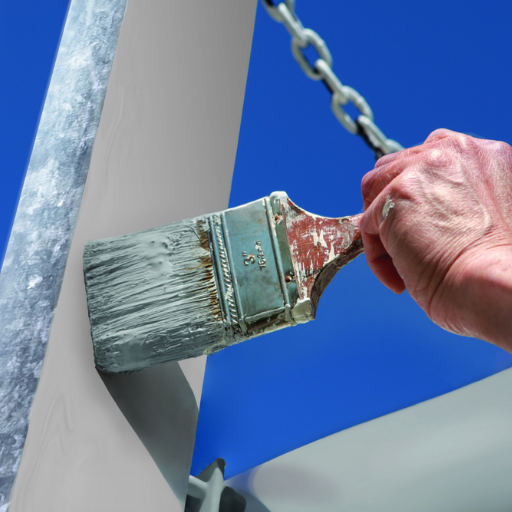
Here are some tips when painting galvanized steel for common mistakes to avoid:
- Skipping Surface Preparation: As with any other surface, poor adhesion will result from not cleaning and preparing the galvanized steel surface before painting. Use appropriate methods to clean the surface by removing dirt, grease, and zinc salts.
- Not Using a Compatible Primer: Compromised peeling or flaking can occur if the paint is applied directly to galvanized steel without a proper primer. A primer formulated for galvanized surfaces is handy.
- Ignoring Manufacturer Guidelines: Compromising recommended application techniques, environmental conditions, or specified drying times for the paint can lead to poor results. Every painter must follow all overspecificationsvery carefully.
- Painting in Improper Environmental Conditions: Paint performance is guaranteed to be hampered if surfaces are wet, conditions are too humid, and extreme temperatures occur during the painting process. Optimal conditions must be met during application.
- Using the Wrong Paint: The worst thing you can do is apply non-adhesive formulated paint to galvanized steel. Selecting a metal bond-specific paint for the metal is vital.
Keeping these recommendations in mind guarantees an error-free finish that is sleek and strong on galvanized steel surfaces.
Avoiding Corrosion with Proper Techniques
Prevention of corrosion begins with meticulous preparation. First, I routinely scrub the galvanized steel surface with a degreaser or mild detergent to remove any oil, dirt, or other gunk that might get in the way of proper paint adhesion. After that, I inspect the surface for white rust or oxidation signs. I use a non-abrasive brush or an appropriate etching primer if there is any. I use galvanized steel paints because they offer better and longer resistance to environmental factors.
Last but not least, I do not paint during extremes of temperature and high humidity. This helps me meet environmental guidelines and ensure that the finish’s quality is not compromised. These steps allow me to successfully maintain the galvanized steel and prevent it from corroding.
Understanding Why Galvanized Metal Often Rejects Paint
The galvanized coating on metal surfaces is often why paint is rejected. One reason for this is the presence of a zinc coating that reacts with the surrounding air to create a non-adhesive surface. This coating also tends to form zinc oxide or zinc hydroxide on itself, which acts as a seal, preventing any paint from adequately providing a mechanical bond. Also, due to the smooth and non-porous surface of the galvanized coating, standard paint cannot stick to it without proper surface treatment.
Considerations to Mending Paint Adhesive Issues
- Improper Surface Preparation:
-
-
- Surface paint adhesion fails due to grease, dust, or any other residue that forms a barrier between the surface and the paint.
- Solution: Clean the surface thoroughly using a mild alkaline degreaser or acid wash like vinegar.
-
- Lack of Proper Priming:
-
-
- Caps or steel bits may gouged into the steel surface without any underlying coat.
- Technical Recommendation:
- Cap or gouge marks may be masked with etching primers/some other commercially available zinc primers.
- These products retain adhesion with the coating at pH 8-9.
-
- Chemical Reactions:
-
-
- Two of the main constituents of zinc, H20 and CO2, chemically interact with the air, forming a compound known as zinc carbonate, a non-paint-bearing surface.
- Solution: Apply light or controlled abrasive sanding techniques for better bond structures.
-
Practical Tips for Optimal Results
- Surface Roughness:
To improve significantly primary adhesion, aim to induce surface roughness estimated between 0.5 and 1.5 mils (12.5 to 37.5 microns).
- Temperature and Humidity:
Painting Procedures should be done at these specified settings:
-
- Relative humidity below 75%.
- The most suitable temperature is between 50 to 85 degrees Fahrenheit (10 – 29 degrees Celsius).
- Paint Type:
For enhanced flexibility, choose off-the-shelf paint marked “for galvanized steel use only,” categorized under epoxy-based and acrylic latex coatings.
Following the recommended preparation and application methods, some galvanizing surface treatments are incorporated to enable strong, lasting paint or coating adhesion.
Importance of Following Primer and Paint Guidelines
All rounds of the painting process should be followed to the letter to maintain strong and effective adhesion. From experience, without the proper guidance, you will end up with peeling, flaking paint, or worse, an unsightly splotch. Selecting an appropriate primer is crucial, as is using a primer strategically designed for galvanized steel, like self-etching primers or zinc-rich primers. These are essential because they increase the surface’s ability to hold paint and stop the paint from peeling off. In addition to that, using quality paints with upper edges like acrylic latex or, even better, epoxy-based coatings, which are rigid yet pliable, will be beneficial. Do not forget to double-check the technical specification details, such as the critical drying time ranging from 2-4 hours between coats, application temperature 50°F -85°F or 10°C to 29°C, to ensure optimal outcome. By following these tips, you will ensure your work not only withstands the test of time but also keeps its aesthetic value for years.
References
Frequently Asked Questions (FAQ)
Q: What is the first step in preparing galvanized steel for painting?
A: The first step in preparing galvanized steel for painting is thoroughly cleaning the surface. This involves removing any dirt, grease, or other contaminants that may prevent the paint from adhering correctly. This step ensures that the layer of zinc on the galvanized steel does not interfere with the paint coating.
Q: Why is using a primer when painting galvanized steel necessary?
A: Using a primer is crucial because it helps the paint adhere to galvanized steel. Galvanized steel has a layer of zinc that can also reject paint if not adequately prepared. A special primer formulated for galvanized surfaces creates a bond between the metal and the paint for better adhesion.
Q: What type of paint is best for galvanized metal?
A: Acrylic latex paint is the best paint for galvanized metal. This type of paint is flexible, allowing it to expand and contract with the metal, which helps prevent cracking and peeling. Acrylic latex paint is also formulated to adhere to galvanized steel effectively.
Q: Can oil-based paint be used on galvanized steel?
A: Oil-based paint is generally not recommended for use on galvanized steel because it can fail to adhere correctly. The oil in the paint reacts with the zinc layer, leading to poor adhesion and potential peeling.
Q: How does hot-dip galvanizing affect the painting process?
A: Hot-dip galvanizing adds a layer of zinc to the steel, providing corrosion resistance. However, this layer can also reject paint if not adequately prepared. To ensure proper adhesion, using a primer followed by a paint system compatible with hot-dip galvanized steel is essential.
Q: What is the recommended procedure for painting weathered galvanized steel?
A: To paint weathered galvanized steel and clean the surface to remove any oxidation and contaminants. A primer formulated for galvanized surfaces is applied before the topcoat of paint. This helps ensure that the paint adheres properly to the weathered surface.
Q: How can I ensure the paint coating lasts on galvanized steel?
A: To ensure a long-lasting paint coating on galvanized steel, follow these steps: clean the surface thoroughly, apply a suitable primer, and use the correct type of paint for galvanized metal. Follow the paint manufacturer’s recommendations and allow adequate drying time between coats.
Q: Is industrial paint suitable for painting galvanized steel?
A: Yes, industrial paint can be suitable for painting galvanized steel, especially for large-scale applications such as metal roofs or industrial structures. Choosing a paint system specifically designed to adhere to galvanized steel is essential for optimal results.
Q: Can mild steel be painted using the same methods as galvanized steel?
A: While some methods overlap, mild steel and galvanized steel require different preparation steps due to the presence of the zinc layer on galvanized steel. Mild steel does not have this layer, so it typically requires a different primer and paint to ensure proper adhesion and corrosion protection.


