
When welding galvanized steel, a craftsman must be well-prepared to execute proper safety protocols and maintain high-quality results. Galvanized steel welding poses unique challenges due to the zinc’s fume emission and the potential weakening of the welds. This blog will discuss the importance of safety measures, the right equipment, and proper welding techniques dedicated to galvanized steel. Understanding these techniques and methods will aid in safely working with the steel, regardless of whether you are a professional or a DIYer.
What is Galvanized Steel, and Why Weld It?

Galvanized steel is categorized as zinc-coated steel as the added layer of zinc protects it from corrosion and rust. Galvanized steel is an incredibly tough and reliable material used in construction, automotive, and outdoor activities. To boost safety, special precautions must be taken while welding to maintain the integrity of the zinc coating. Welding is often needed to provide sturdy joints for constructive purposes or repairs.
Understanding Galvanized Steel
As with any welding process, my primary concern when dealing with galvanized steel is protecting myself from the poisonous fumes emitted from the zinc coating. To minimize exposure to zinc fumes, I ensure proper ventilation in my workplace or an exhaust mechanism to capture zinc oxide fumes. I make it a point to wear a welding respirator, protective gloves, and safety glasses, which add an extra layer of protection. Regarding the weld quality, in some cases, I have to prepare the steel by removing the zinc coating in the weld area, which helps prevent contamination of the weld pool. With these measures, I maintain the balance between safe practices and the structural integrity of the weld.
Reasons for Welding Galvanized Steel
Welding is often necessary because galvanized steel is used routinely in construction, automotive, and industrial works. The zinc coating on galvanized steel provides corrosion resistance, making it ideal for outdoor and high-moisture environments. This durability makes it a cost-effective choice for structural components, metal frameworks, and infrastructure projects that require long-lasting performance.
Careful thought concerning the technical parts must be made when welding galvanized steel. While steel’s melting point is significantly higher than zinc’s, at around 787°F (420°C), zinc’s boiling point will also cause it to evaporate during welding, which is bound to release toxic fumes. If there is so much ventilation, exhaust system, or fume hoods, there is bound to be open exposure to those harmful gases. Surface preparation for weld cleaning that includes grinding or using wire brushes to the weld zone for zinc bond breaking must ensure that proper strong welds without clean defects are formed. For reliability, MIG (Metal Inert Gas) and FCAW (Flux-Cored Arc Welding) are used as more reliable and efficient welding methods. It is uncommon to find ungalvanized steel.
The proper steel welding technique and the craved structural results must be galvanized carefully, considering the corrosion support frame to achieve a safe and high-quality output.
Challenges in Welding Galvanized Steel
My main problem with welding galvanized steel is that the zinc coating gives off toxic zinc fumes when vaporized. Proper PPE and adequate ventilation are needed for safety. Another issue is that the welds can have defects like porosity or be structurally weak if the arc is blasted over the coating. This problem is often alleviated by peeling the zinc coating from the welding zone using a combination of mechanical and chemical processes.
In an engineering sense, some of the most critical parameters include avoiding excess zinc burning by controlling the heat input, 150 to 200 amps of welding current for MIG depending on the thickness of the material, the required travel speed must be high enough to avoid overheating, and the proper filler material must be used to ensure strong, clean welds, for example, ER70S-6 for the MIG process. A workshop that prepares appropriately can weld galvanized steel as long as all technical requirements are followed.
How do you prepare for welding galvanized steel safely?

- Remove Galvanized Coating: Remove the zinc coating in the weld area to minimize harmful fume generation and facilitate a clean weld.
- Ensure Proper Ventilation: Work in a protected area or utilize an exhaust fan to safeguard against inhalation of zinc oxide gasses.
- Wear Protective Gear: Wear a welding helmet, gloves, and mask for respirable welding particulates.
- Use the Right Weld Settings: Change the weld settings based on material thickness and the selected filler material.
- Clean the Workpiece: Remove rust, dirt, and other contaminants from the metal before commencing work.
These measures set you up to safely and effectively weld galvanized steel.
Importance of a Well-Ventilated Area
Guidelines for Welding galvanized steel emphasize the need for a well-ventilated area and proper respirable zone protection due to harmful fumes… Inhalation of galvanized steel can lead to serious health challenges like Metal Fume Fever. Adverse health challenges are caused by inhaling hazardous ripped tissue, muscle fume, or vaporized smoke. In my practice, I ensure that my workspace is free of fumes by employing exhaust fans and opening windows, taking my proper intake position to ensure my face is not directly in the way of the smoke. My addition of these particles, coupled with appropriate stationary masks, protects my health and enhances the comfort and productivity of my working environment. Keeping safety and efficiency in mind is vital in welding. Here are some recommended guidelines and equipment suggestions that create a safe environment for welding.
Precautionary Measures and Equipment
Personal Protective Equipment: Appropriate clothing should always be worn. In addition to fire-resistant coveralls, gloves, and steel-toed boots, protective gear should include safety glasses, welding helmets, and face shields. Under the helmet, safety glasses should be worn to avoid sparks and radiation. An auto-darkening welding helmet with the appropriate shade, which sits between 9 and 13 depending on the process, is ideal for eye and face protection:
- Personal Protective Equipment (PPE): Fire-retardant clothing, gloves, and steel-toed boots must be worn. The auto-darkening welding helmet should be set at an appropriate shade ranging from 9 to 13 for face and eye protection. Safety glasses are a must and should be worn under the helmet to increase security.
- Ventilation Systems: There should be sufficient ventilation to keep exposure to dangerous fumes at a minimum. The room should be fitted with a general ventilation system, while local exhaust ventilation is used to lower the concentration of contaminants in the air. According to OSHA, ventilation systems should have an airflow rate of 100 cubic feet per minute (CFM) for low and 200 CFM for high-scale work.
- Respiratory Protection: If enclosed spaces lack ventilation, a NIOSH-approved or powered air purifying respirator (PAPR) is ideal. Along with effective filters for welding fumes, the devices are essential when working with stainless steel and galvanized metal due to the dangerous fumes that chromium or zinc can emit.
- Fire Prevention: Always have a Class D fire extinguisher (for flammable metals) near the work area. Additional fire prevention measures include removing flammable materials from the immediate work area and keeping combustible materials at least 35 feet from the welding area.
- Tool and Equipment Maintenance: Check welding tools and equipment frequently for any signs of damage. The welder settings should also be appropriately kept; for example, with MIG welding on mild steel, the voltage has to be set between 14-30 volts depending on the wire and the material’s thickness.
- Proper Grounding: Ensure the welding machine is properly grounded to avoid electrical dangers. Inspect cables and connectors for potential damage, which may lead to unintentional shocks.
By taking these steps, you significantly reduce the safety risks of welding while optimizing job performance. Following ANSI Z49.1, the standard for welding safety, highlights the importance of obeying prescribed protocols.
Removing the Zinc Coating
I typically use mechanical or chemical methods to remove the zinc coating in preparation for welds. For mechanical methods, I utilize a grinder or a piece of sandpaper to get rid of the coating. While it eliminates coatings, it leaves a clean surface; one must not damage the base metal. I strip the zinc using hydrochloric acid in a preferred concentration of roughly 5-10% hydrochloric acid solution for chemical methods. I take utmost care while using acids and ensure my gloves, goggles, and ventilation are in order.
As with all tasks, these treatment processes come with key priorities, such as not overheating the surface during mechanical removal, as this will alter the metal properties, and ensuring that the acid exposure time is maintained within 5-15 minutes, based on the thickness of the coating. After removing the layer, I clean the surface and neutralize it in preparation for welding. These preliminary steps assist in the minimization of weld defects and guarantee structural integrity. Consult safety data sheets and industry standards before implementing these procedures.
What Techniques Can Be Used to Weld Galvanized Steel?
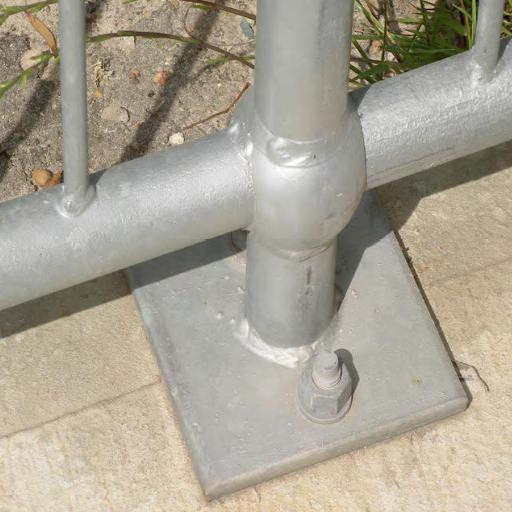
Properly welding galvanized steel is possible when techniques specifically tailored to the challenges posed by the zinc coating are used. The most common methods include the following:
- Grinding or Removing the Coating: Cutting or grinding the zinc covering around the weld zone can improve weld quality and reduce porosity. Grinding or removing the zinc can also be chemically achieved.
- Using Proper Ventilation: Zinc oxide fumes are produced when galvanized steel is heated and are dangerous if inhaled. Proper ventilation or fume extraction systems should always be used.
- Preheating the Material: To prevent warping, preheat galvanized steel to approximately 200°F-300°F to minimize cracking during welding.
- Opting for Suitable Welding Processes: Other techniques that work well with galvanized steel include Gas Metal Arc Welding (GMAW) and Shielded Metal Arc Welding (SMAW) with the right electrodes and settings.
- Applying Post-Welding Treatments: To mitigate corrosion, touch up unprotected areas where the zinc cover has been removed after welding with zinc-rich paints or sprays.
These suggested techniques allow for the safe welding of galvanized steel while ensuring structural integrity.
MIG Welding on Galvanized Steel
I take the utmost care when welding galvanized steel with MIG. Proper safety measures, such as a mask and welding gloves, are necessary to prevent exposure to dangerous zinc oxide fumes and potential burns. I try to do my part by cleaning the fume-emitting area for better results, as the fumes created do less damage. This is remembered by grinding the zinc coating at the weld joint. This allows me to reduce emissions and avoid defects. I can achieve my aims with info shielding gas, a mixture of argon and CO2, and electrodes that aid galvanized material such as ER70S-6 wire. Once I am done welding, I paint the areas where the protective layer has been removed with zinc-rich paint. This will help in protecting against corrosion. Following the above methods enables me to achieve reliable results while following safety measures.
TIG vs. Arc Welding: Which is Better?
The choice of process for welding TIG (Tungsten Inert Gas) and Arc welding (Shielded Metal Arc Welding or SMAW) depends mainly on the project goals, materials, and finish. TIG welding is praised for its attention to detail and clean welds. It is most suitable for thin, non-ferrous metals such as Aluminum, Copper Alloys, and Magnesium, as well as other projects requiring an almost immaculate finish with minimal clean-up, scrubbing, and touch-ups after welding. It employs a non-consumable electrode in tungsten and needs a shielding gas like Argon, which, together with its low spatter, leads to visually appealing welds.
Another key concept about arc welding is that it is more straightforward, versatile, and affordable than its counterparts. It shines with thicker outdoor materials due to its dirt, rust, and wind tolerance. Arc welding uses a consumable electrode covered in flux, forming a protective slag during the welding process. While precise control over the weld is impossible, speed and versatility to different applications like construction and heavy equipment repair make it a favored choice.
- TIG Welding:
-
-
- Electrode Type: Non-consumable tungsten electrode.
- Shielding Gas: Argon and argon-helium mixtures.
- Welding Speed: Slow (requires precision).
- Material Thickness Range: Usually from 0.5 mm to 3 mm.
- Power Source: Aluminum is usually AC, while the other metals use DC.
-
- Arc Welding (SMAW):
-
-
- Electrode Type: Consumable flux-coated electrodes such as E6010 and E7018.
- Shielding Method: Flux coating makes slag to serve as a shield.
- Welding Speed: Faster compared to TIG.
- Material Thickness Range: Welding is done on medium to thick materials.(Usually >3mm)
- Power Source: Depends on electrode type. It can either be DC or AC.
-
Which Should You Choose?
TIG welding is the best choice for projects that need precision, a clean finish, and are thin or involve nonferrous materials. However, arc welding proves reliable and economical for thinner materials that need a more robust solution and heavy work like quick fixes and outdoor work. The choice should depend on your particular case while balancing speed, material, and finish quality.
Using the Right Filler and Electrode
In deciding on the proper filler and electrode, I first analyze the material and thickness of the workpiece in addition to the welding type being done. A tungsten electrode is used for TIG welding, commonly employing 2% thoriated (red) for steels or 2% lanthanide (blue) for aluminum. The filler rod must always contain the same base material, ER70S-2 for mild steel, or, in the case of aluminum alloys, 4043 aluminum filler works just fine. On the contrary, for Arc welding, the choice of electrode is tailored to the job’s requirements. For example, E6013 is highly suited for thin materials and requires a smooth finish, while E7018 is more beneficial for heavy structural welds, considering its increased tensile strength and low hydrogen properties. Things like amperage should correspond with the electrode’s section; in this case, electrode E6013 of the 1/8 inches size operates best at 90-140 amps. These considerations guarantee that the weld will best suit the project’s demands.
How to Avoid and Manage Welding Fumes?
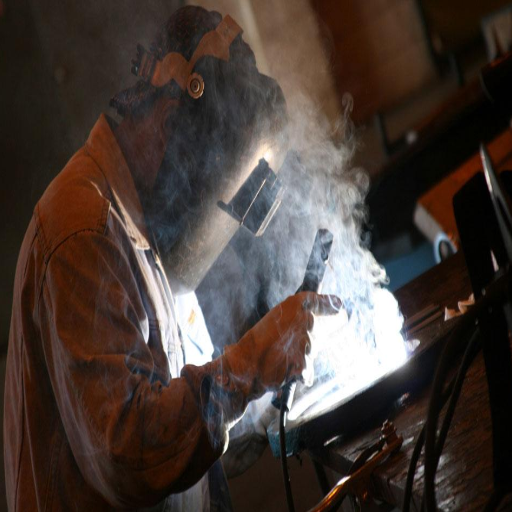
Welding fumes can potentially harm an individual’s health, but with proper safety measures, they can be avoided and managed. Ensure the workspace is well-ventilated to remove fumes and use local exhaust systems when needed. Always wear the correct personal protective equipment (PPE), such as a respirator, if there are heavy fumes or poor ventilation. Choosing the correct welding material and process can also reduce the generation of fumes. Proper maintenance of welding equipment helps to ensure that they work efficiently and do not release emissions that could have been prevented. Furthermore, keeping a safe distance from the source of the fumes while welding helps to protect a person from inhaling toxic substances. These main points help ensure safety while working for welders, and a safer working environment can be created.
Understanding Metal Fume Fever
Metal fume fever results from inhaling smoke from certain metal oxides, especially from welding or working with zinc, copper, or aluminum metals. From my research, metal fume fever feels like the flu, and symptoms include fever, chills, nausea, fatigue, and muscle aches that typically occur a few hours after exposure. In my case, I would take precautions by wearing proper respiratory protection, ensuring adequate air circulation in the workspace, and limiting the time spent near fumes by taking breaks away from the fume source. If symptoms present themselves, I would leave the area of exposure, recuperate, hydrate, and get medical assistance if needed.
Using Respirators and Other Safety Gear
In a construction, industrial, or other work setting, respirators are critical in controlling exposure to toxic fumes, dust, and other particles. To ensure their effectiveness, you must pick the correct type of respirator for the specific hazard. Take N95, for instance, which filters at least 95% of non-oil-based particles from the air, or P100 and HEPA, which provide more excellent protection by filtering oil-based particles.
Failure to ensure that all conditions are met when choosing a respirator may compromise one’s safety and health while working with hazardous materials. The equipment should be fitted comfortably—not too tight—and adequately NIOSH approved, along with having no pre-existing damages. NIOSH (U.S. National Institute for Occupational Safety and Health) ensures the equipment has passed all necessary performance tests.
Furthermore, carrying out routine maintenance checks to scan for any irreparable damage can go a long way in making sure the protective equipment is durable and incorrectly placed within storage areas. These gaps allow for the entry of various dangerous materials, bypassing the filters placed within the respirators. Conduct a seal check for all respirators worn to ensure no air can escape the edges. Particles that can severely damage the lungs can be inhaled during rough activities.
Ensuring Proper Ventilation in the Work Area
To maintain appropriate air circulation in the work area, I prioritize minimizing exposure risks from fumes, dust, or other airborne contaminants. This includes using mechanical ventilation systems such as exhaust fans and fume hoods that can remove dangerous substances at the source. For general circulation in the work area, I ensure the air changes happen 6-12 times per hour, depending on the work type and other governing frameworks like OSHA. In addition, I ensure that air filters are cleaned or substituted regularly so that efficiency is maintained. When employing natural ventilation, I open doors and windows to allow cross ventilation but close them to mechanical systems that may need them for safety.
How to Achieve a Strong Weld Joint on Galvanized Steel?

Appropriate preparation for fabricating is considered to get a strong weld joint on galvanized steel. The first step is to brush or grind away the zinc coating in the weld area to minimize contamination and reduce toxic fumes during welding. Shielding gas and filler rods for galvanized steel, mig, and tig welding are suitable methods. Ensure proper ventilation is in and set the equipment to the appropriate temperature for a strong weld to be formed. Additionally, it may be necessary to apply anti-corrosive paint to cover the weld joint and repair parts of the galvanized layer damaged after welding.
Managing the Weld Puddle
While controlling the weld puddle, I focus on steady movements for consistency. This is done by keeping a steady hand and changing the angle of the welding torch for better material penetration without excessive heating. I keep an eye on the puddle’s size and shape to ensure that they are not changed too much and that spatter and porosity are averted and controlled. The travel speed and amperage settings must be balanced to control heat input. By following good techniques and managing the puddle’s state, I guarantee there are no issues regarding weld quality.
Controlling Spatter and Weld Metal Quality
Controlling spatter and maintaining high weld metal quality is critical to achieving professional and lasting welds. Effective control can be achieved through parameter optimization: sputter can be reduced by adjusting the voltage, wire feed speed, and amperage. For example, proper MIG voltage ranges of 18 – 22 volts and the wire feed speed of 250 – 400 inches per minute (contingent on material thickness) yield optimum results. Furthermore, travel speed accompanied by 10-15 degree push angles significantly limits excessive spatter.
The choice of shielding gas also dramatically impacts the spatter control levels in MIG welding. For welding galvanized steel, 75% Argon and 25% CO2 provide the perfect mixture for spatter control and arc stability. Removing the zinc coating surrounding the weld zone to enhance weld metal quality is vital in preventing porosity and minimizing the highly toxic fumes produced during welding. Workpiece cleaning and installing anti-sputter sprays on the surfaces surrounding the workpieces drastically improve the results.
Accurate amp settings for steel thickness significantly reduce excessive heat. Consider the following precautions to avoid weld distortions and defects: Maintain a steady arc length (approx 1/4 inches for MIG), short and consistent. Combined with consistent practice, these tips improve weld strength and appearance.
Post-Weld Cleaning and Inspection
Always strive to maintain the highest level of quality. In my case, this is accomplished with a thorough inspection and cleaning post-weld. I remove surface oxidation, spatter, and slag with a wire brush or grinder. Doing so allows for a precise inspection and reveals the weld bead. There are several steps to inspect a weld visually, and some common ones include checking for undercuts, cracks, or incomplete fusion. If the weld is a critical workpiece, I assess it with non-destructive, dye penetrant, or ultrasonic testing. I employ meticulous measuring while considering the design specifications to ensure the weld is clean and trimmed. A clean and inspected weld enhances the structure’s integrity and ensures it is ready for surface treatments such as coat or paint.
References
Frequently Asked Questions (FAQ)
Q: Can you weld steel to galvanized steel without removing the galvanized coating?
A: Yes, you can weld steel to galvanized steel without removing the galvanized coating, but it’s generally recommended to remove the coating from the area to be welded to prevent issues like poor weld quality and toxic fumes. If you choose not to remove the coating, ensure that you work in a well-ventilated area and wear a respirator to avoid exposure to harmful fumes.
Q: What are the risks of welding galvanized steel?
A: Welding galvanized steel can cause metal fume fever due to the release of zinc fumes. Proper safety equipment, such as a welding mask and fume extractor, and adequate ventilation are essential to minimize exposure to these fumes.
Q: What welding methods are suitable for welding mild steel to galvanized steel?
A: Common methods for welding mild steel to galvanized steel include gas metal arc welding (GMAW), shielded metal arc welding (SMAW), and flux core welding. Each method has advantages and depends on the project’s requirements.
Q: How does the galvanized coating affect the welding process?
A: The galvanized coating can interfere with welding by causing spatter, porosity, and weak welds. It’s often necessary to remove the coating from the weld area or use a welder to weld galvanized steel that can handle these challenges effectively.
Q: What type of electrode should be used when welding galvanized steel?
A: When welding galvanized steel, a 6011 electrode is shared as it can penetrate the zinc coating and produce a stable arc. The correct electrode is essential based on the thickness and type of welded materials.
Q: Can regular steel be welded to galvanized steel successfully?
A: Yes, regular steel can be successfully welded to galvanized steel, but careful preparation is required, such as removing the galvanized coating from the weld area, using appropriate welding techniques, and ensuring proper safety measures are in place.
Q: How can fumes from welding galvanized steel be managed?
A: Fumes from welding galvanized steel can be managed using a fume extractor, wearing a respirator, and working in a well-ventilated area. These precautions help reduce the risk of inhaling harmful zinc fumes.
Q: Is it necessary to use a specific type of welder to weld galvanized steel?
A: While using a specific type of welder to weld galvanized steel is unnecessary, some welders are better suited. For instance, welders with adjustable settings for heat and speed can help manage the challenges presented by the galvanized coating.
Q: What precautions should be taken when welding mild steel to galvanized steel?
A: Precautions include removing the galvanized coating from the weld area, using a suitable welding method, wearing protective gear like a welding mask and respirator, and ensuring the work environment is well-ventilated to minimize exposure to hazardous fumes.


